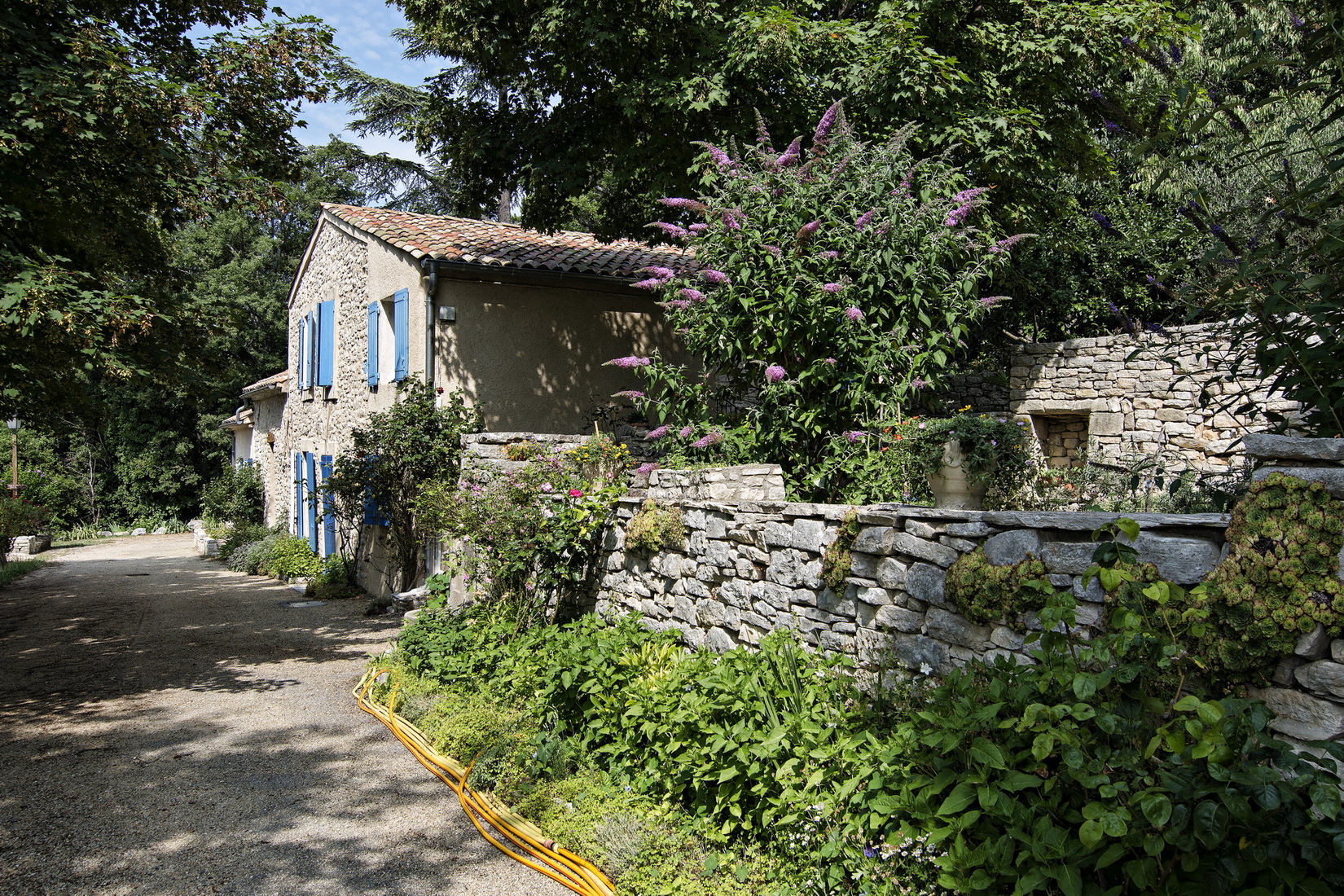
Nestled in the Luberon Regional Park, within the Luberon Geological Reserve, and located between Banon and Saint-Michel l’Observatoire, Aubenas-les-Alpes is a rich repository of prehistoric treasures. Significant discoveries from the late 19th and early 20th centuries include mammalian fossils from the Tertiary period, crocodile scales, and ancient tools. A 20th-century inventory identified 12 Neolithic and protohistoric sites within the village.
During the Middle Ages, known as Albenacum or Castrum de Albenis, Aubenas-les-Alpes’ history is deeply intertwined with the County of Provence. The village, home to a Benedictine priory, fell under the jurisdiction of Forcalquier.
Several mills once operated along the Largue and Aiguebelle valleys, with around ten still standing today.
In the 20th century, lavender, lavandin, sage, and durum wheat cultivation replaced traditional vineyard crops.
what to see
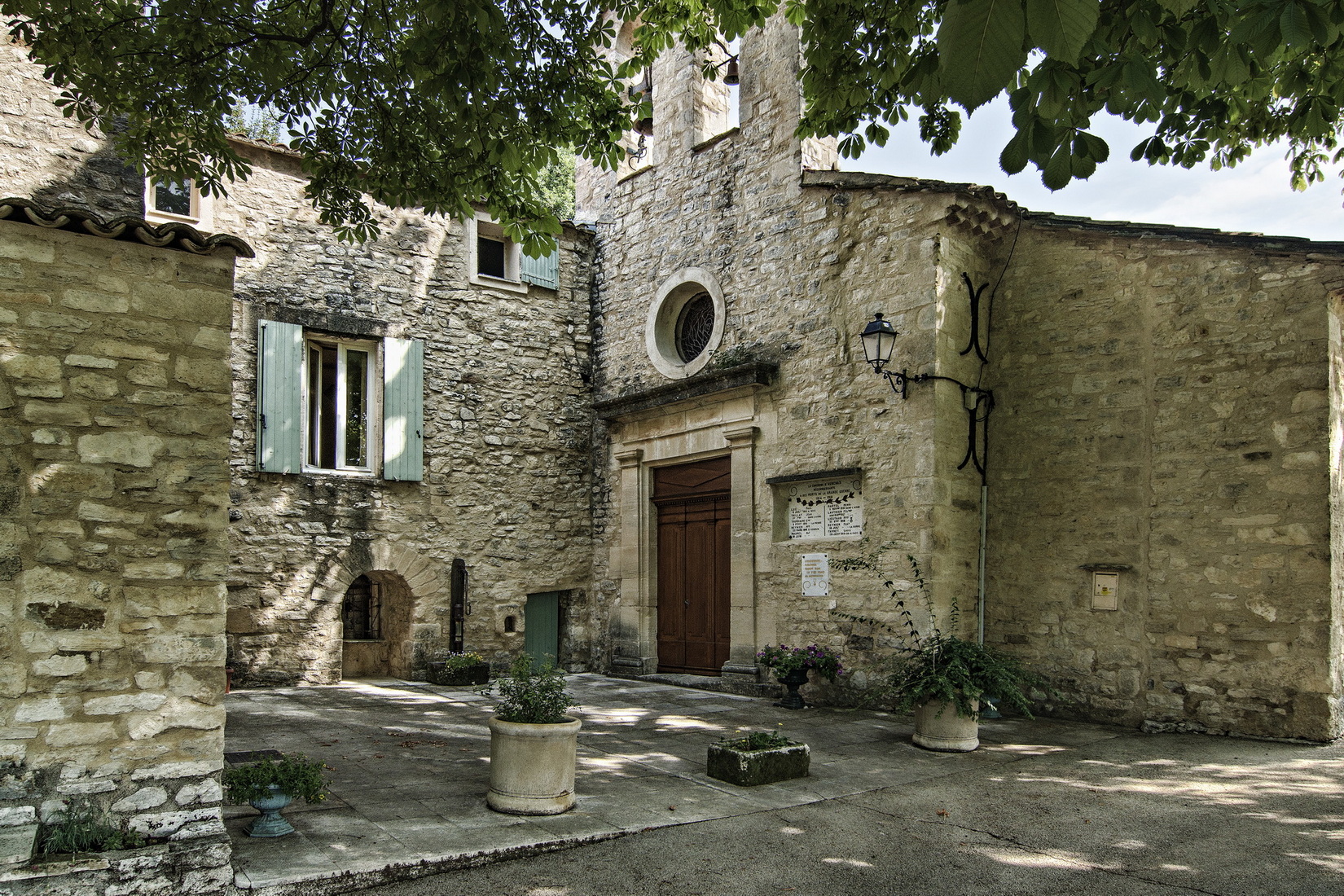
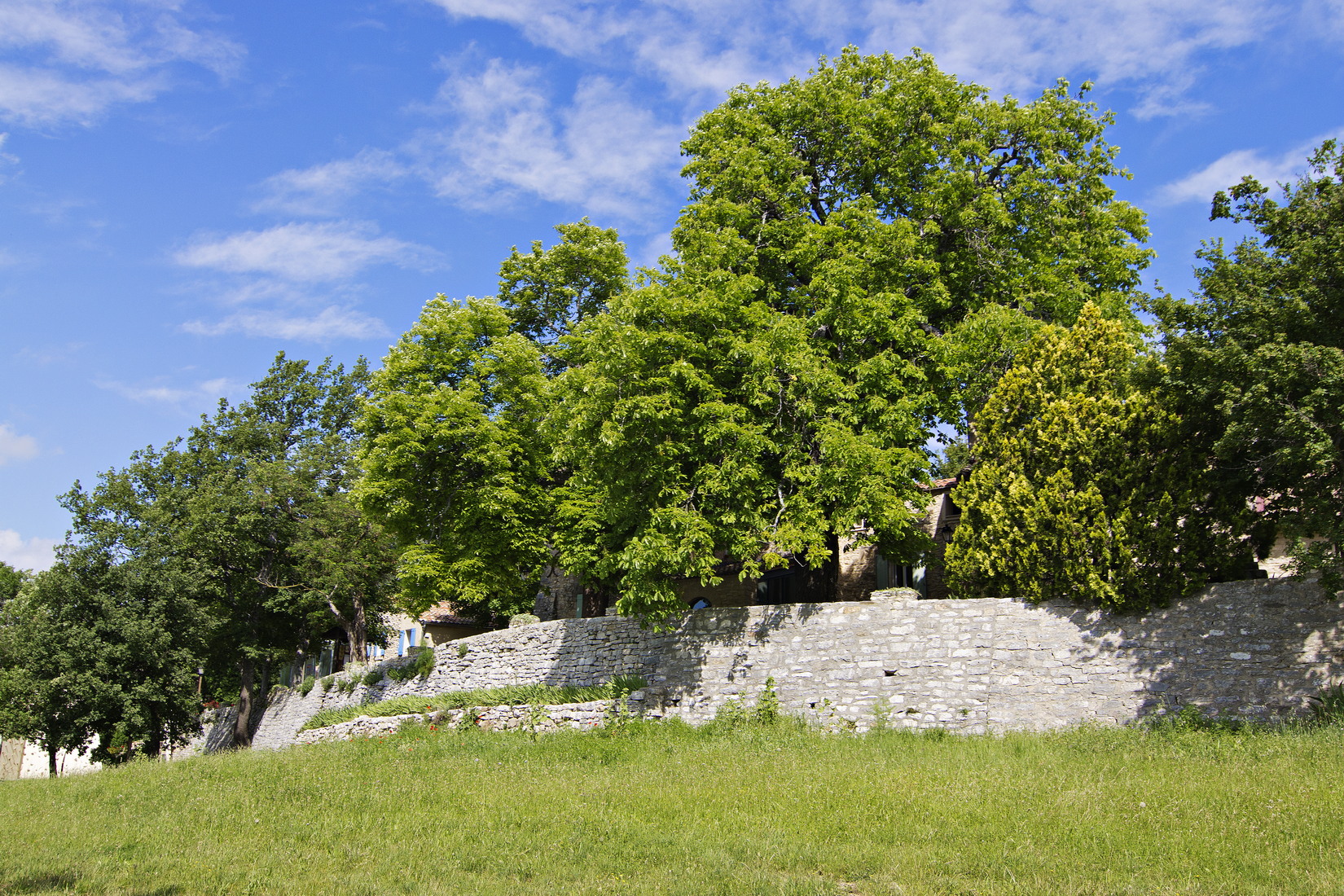
The village square invites visitors to contemplate authentic landscapes, nestled beneath century-old chestnut trees. The Largue Valley frames a panoramic view stretching from the Mountain of Lure to the Montfuron Pass.
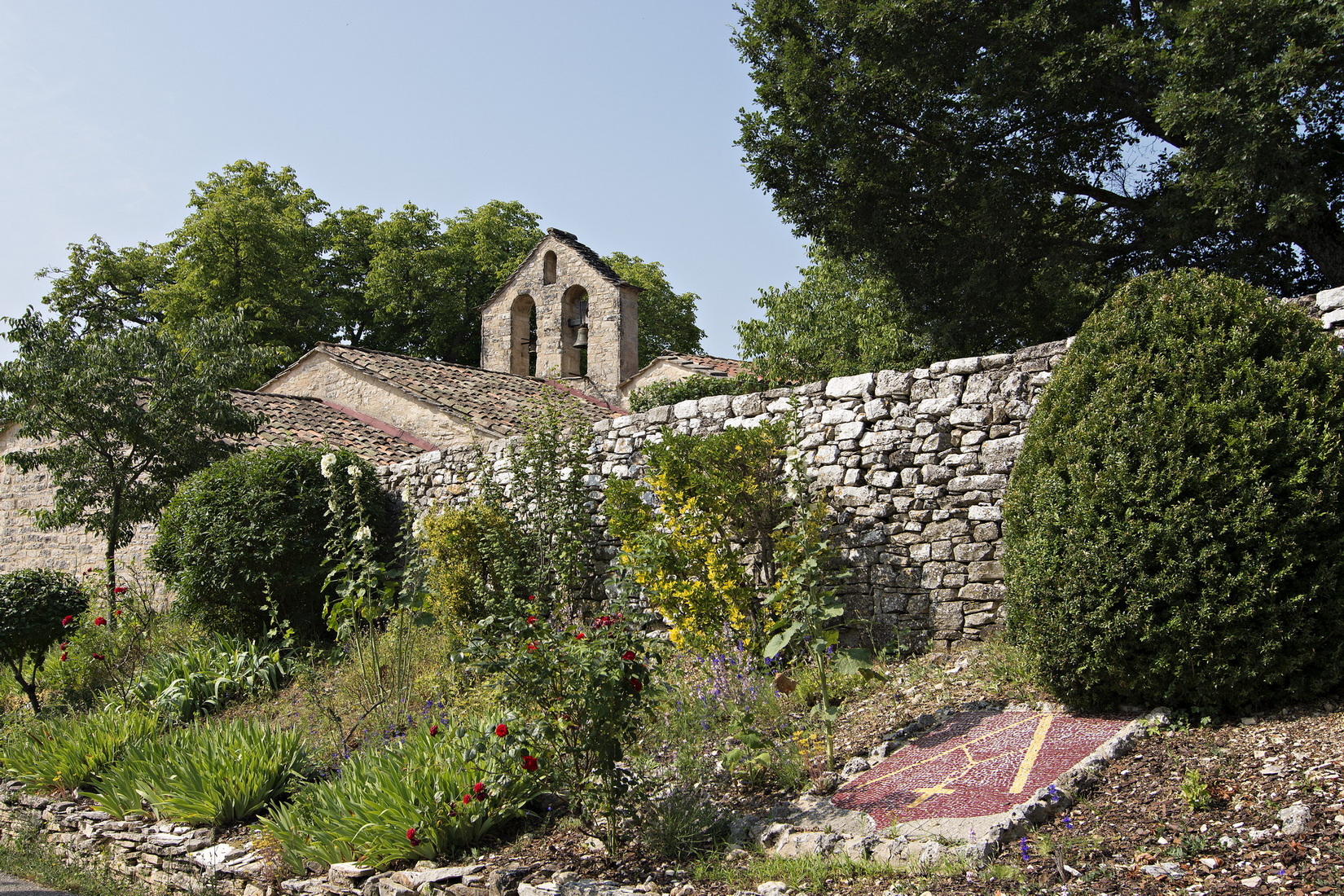
Church of Notre-Dame de l’Assomption-de-la-Vierge: A 12th-century building, renovated in the 17th century, with beautifully preserved 18th-century interior artwork.
The Castle: A late 16th-century building constructed on 11th-century foundations, with lower floor vaults dating from the 13th century. Rectangular in layout, it now preserves only a single tower from its original structure.
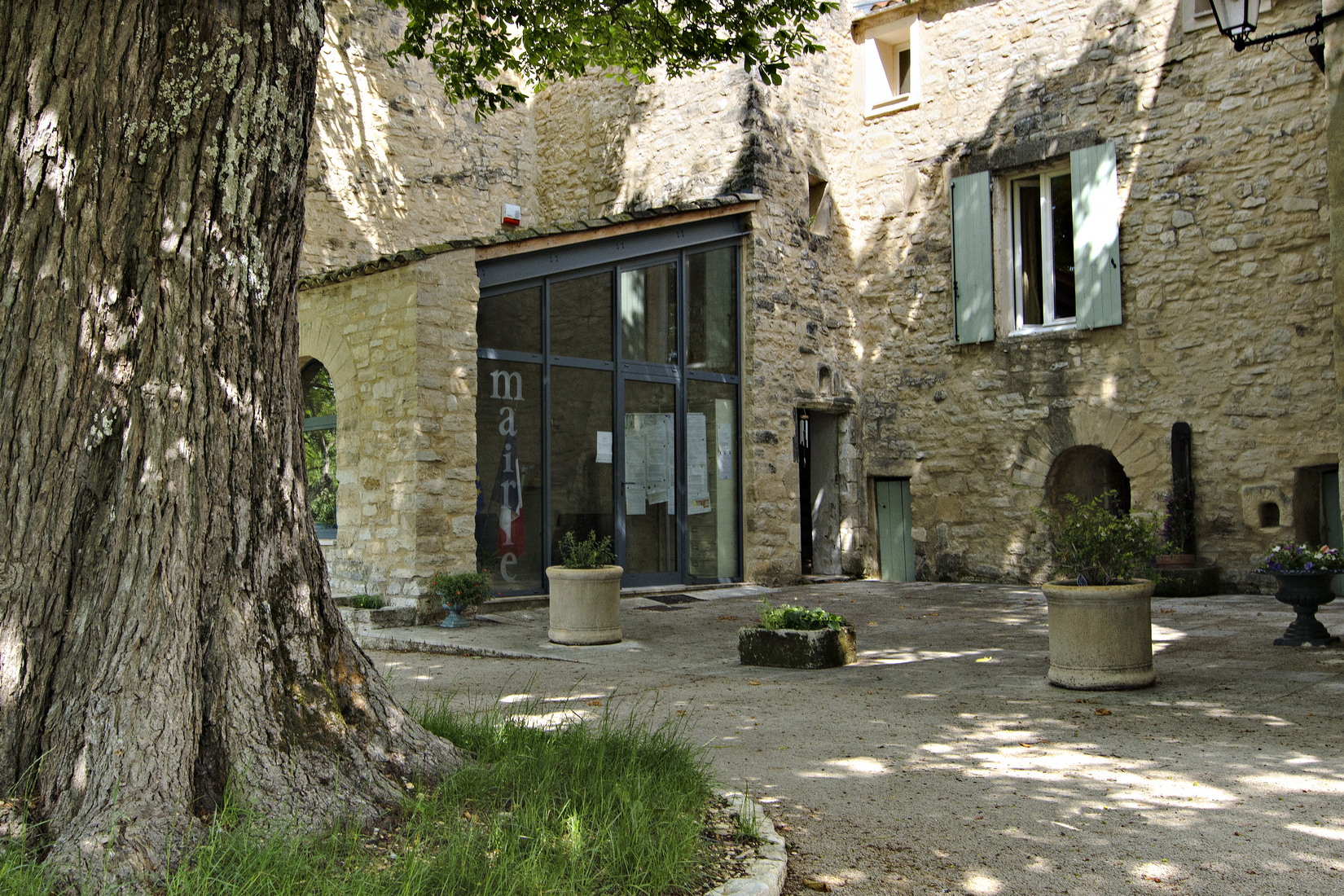
The Presbytery (Current Town Hall): Home to a small yet exquisite 18th-century fireplace adorned with an intricately carved plaster mantelpiece.
In the 19th century, water mills thrived along the Largue and Aiguebelle rivers. Visitors can still see the original water mill retention ponds and water channels, including Le Paraire, le moulin de la Combe, le moulin Brun, le moulin Bas, and le moulin du Plan.
Aubenas-les-Alpes offers nature lovers a pristine retreat. Explore typically Provençal landscapes and wander the numerous hiking trails that wind through this preserved territory.
Nestled in the Luberon Regional Park, within the Luberon Geological Reserve, and located between Banon and Saint-Michel l’Observatoire, Aubenas-les-Alpes is a rich repository of prehistoric treasures. Significant discoveries from the late 19th and early 20th centuries include mammalian fossils from the Tertiary period, crocodile scales, and ancient tools. A 20th-century inventory identified 12 Neolithic and protohistoric sites within the village.
During the Middle Ages, known as Albenacum or Castrum de Albenis, Aubenas-les-Alpes’ history is deeply intertwined with the County of Provence. The village, home to a Benedictine priory, fell under the jurisdiction of Forcalquier.
Several mills once operated along the Largue and Aiguebelle valleys, with around ten still standing today.
In the 20th century, lavender, lavandin, sage, and durum wheat cultivation replaced traditional vineyard crops.
The village square invites visitors to contemplate authentic landscapes, nestled beneath century-old chestnut trees. The Largue Valley frames a panoramic view stretching from the Mountain of Lure to the Montfuron Pass.
Church of Notre-Dame de l’Assomption-de-la-Vierge: A 12th-century building, renovated in the 17th century, with beautifully preserved 18th-century interior artwork.
The Castle: A late 16th-century building constructed on 11th-century foundations, with lower floor vaults dating from the 13th century. Rectangular in layout, it now preserves only a single tower from its original structure.
The Presbytery (Current Town Hall): Home to a small yet exquisite 18th-century fireplace adorned with an intricately carved plaster mantelpiece.
In the 19th century, water mills thrived along the Largue and Aiguebelle rivers. Visitors can still see the original water mill retention ponds and water channels, including Le Paraire, le moulin de la Combe, le moulin Brun, le moulin Bas, and le moulin du Plan.
Aubenas-les-Alpes offers nature lovers a pristine retreat. Explore typically Provençal landscapes and wander the numerous hiking trails that wind through this preserved territory.