
our villages :
Montjustin

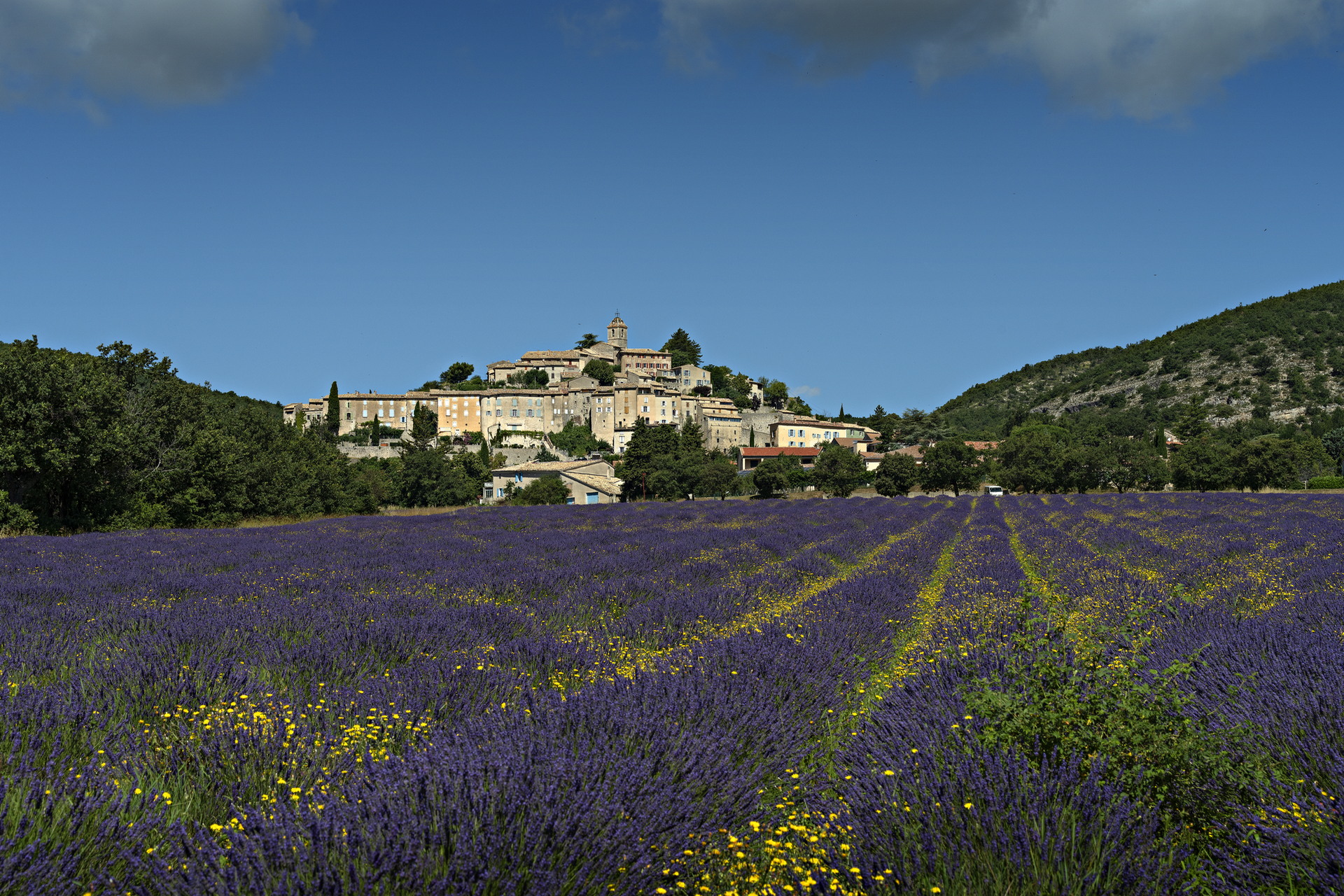
Montjustin’s history reaches deep into the past, much like that of its neighboring villages. The oppidum on which the village stands was occupied as early as the period of Gallic independence. During the Roman Empire (around the 3rd century AD), the site briefly fell under Italian rule.
In the 11th century, Montjustin became a fortified stronghold thanks to its strategic position. Sections of the ramparts from this era still stand today (partially restored in 1995), along with castle ruins and the Saint-Maurin priory.
The year 1589 marked a tragic turning point in the village’s history. When residents refused to let the Duke of La Valette and his troops enter, he retaliated by massacring the population and razing Montjustin to the ground.
The village’s position on the shaded north-facing slope (ubac) of the Luberon proved less conducive to farming and livestock raising.
The 20th century brought new life to Montjustin, particularly with the arrival of artists and intellectuals like the poet Lucien JACQUES.
Today, the village is part of the Luberon Regional Natural Park.


what to see
In the Village
The Ramparts: Built in the Romanesque era, these fortifications lend the village its picturesque, authentic appeal. Several round towers provide breathtaking views over the surrounding landscape.
Château de Luzerne: A few crumbling walls and scattered ruins are all that remain, offering glimpses of its once-impressive stature.
Former Church of Notre-Dame-des-Neiges: This monument has also weathered centuries of decay. Though only fragments survive, they hint at the village’s former prosperity.
Sundial: Located in the upper village, carved and painted on marble, bearing the motto “Senza parlar da tutti son inteso” (which translates as “Without speaking, I am understood by all”).
L’École Buissonnière: The village’s former schoolhouse, now a welcoming café-restaurant that hosts regular cultural events.
Historic Architecture: A covered washhouse, fountain, and several beautifully restored 16th and 17th-century houses built from locally quarried gray stone.
Beyond the Village
Former Chapel of Saint-Maurice: Located in the Saint-Maurin hamlet, this former chapel now serves as a sheep barn, though many traces of its religious past endure.
Hiking Trails: The Montjustin area offers numerous options for walks and hikes.
Notable Figures
Henri CARTIER-BRESSON and Martine FRANCK: This husband-and-wife team of renowned photographers are both buried in Montjustin’s cemetery, having settled in the village during their later years.
Lucien Jacques: A poet, publisher, painter, draftsman, engraver, and dancer who was close to Jean Giono and played a key role in the village’s revival by attracting numerous artists to settle here.
Serge Fiorio: Painter and former mayor of the commune (1983–2001).

outdoor
activities
Cycling routes
crafts
altitude
386 – 721 m
area
Accueil » Authentic Haute-Provence – Montjustin
our villages :
Montjustin
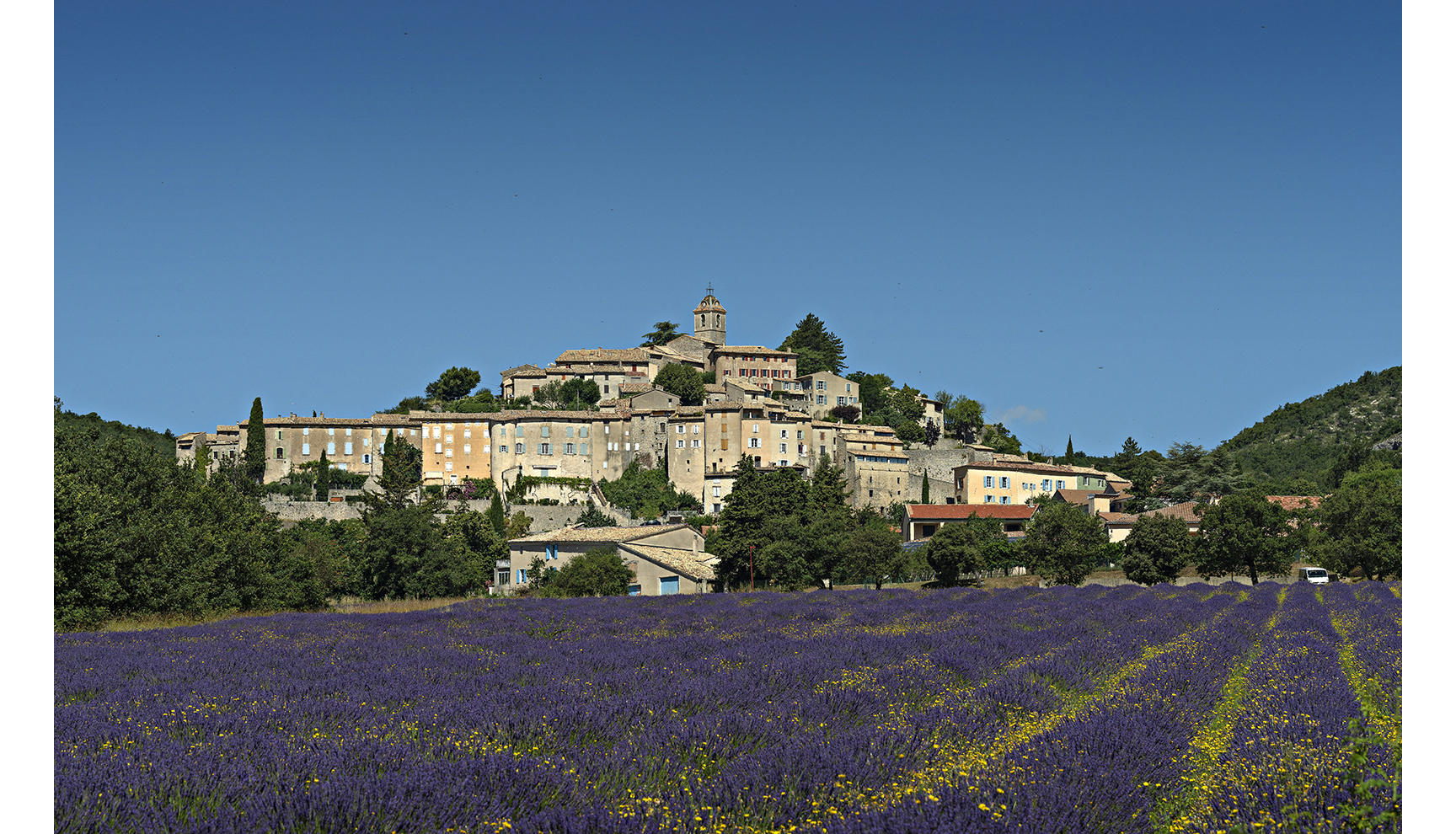
Montjustin’s history reaches deep into the past, much like that of its neighboring villages. The oppidum on which the village stands was occupied as early as the period of Gallic independence. During the Roman Empire (around the 3rd century AD), the site briefly fell under Italian rule.
In the 11th century, Montjustin became a fortified stronghold thanks to its strategic position. Sections of the ramparts from this era still stand today (partially restored in 1995), along with castle ruins and the Saint-Maurin priory.
The year 1589 marked a tragic turning point in the village’s history. When residents refused to let the Duke of La Valette and his troops enter, he retaliated by massacring the population and razing Montjustin to the ground.
The village’s position on the shaded north-facing slope (ubac) of the Luberon proved less conducive to farming and livestock raising.
The 20th century brought new life to Montjustin, particularly with the arrival of artists and intellectuals like the poet Lucien JACQUES.
Today, the village is part of the Luberon Regional Natural Park.
what to see
In the Village
The Ramparts: Built in the Romanesque era, these fortifications lend the village its picturesque, authentic appeal. Several round towers provide breathtaking views over the surrounding landscape.
Château de Luzerne: A few crumbling walls and scattered ruins are all that remain, offering glimpses of its once-impressive stature.
Former Church of Notre-Dame-des-Neiges: This monument has also weathered centuries of decay. Though only fragments survive, they hint at the village’s former prosperity.
Sundial: Located in the upper village, carved and painted on marble, bearing the motto “Senza parlar da tutti son inteso” (which translates as “Without speaking, I am understood by all”).
L’École Buissonnière: The village’s former schoolhouse, now a welcoming café-restaurant that hosts regular cultural events.
Historic Architecture: A covered washhouse, fountain, and several beautifully restored 16th and 17th-century houses built from locally quarried gray stone.
Beyond the Village
Former Chapel of Saint-Maurice: Located in the Saint-Maurin hamlet, this former chapel now serves as a sheep barn, though many traces of its religious past endure.
Hiking Trails: The Montjustin area offers numerous options for walks and hikes.
Notable Figures
Henri CARTIER-BRESSON and Martine FRANCK: This husband-and-wife team of renowned photographers are both buried in Montjustin’s cemetery, having settled in the village during their later years.
Lucien Jacques: A poet, publisher, painter, draftsman, engraver, and dancer who was close to Jean Giono and played a key role in the village’s revival by attracting numerous artists to settle here.
Serge Fiorio: Painter and former mayor of the commune (1983–2001).
