
our villages :
REVEST-DES-BROUSSES

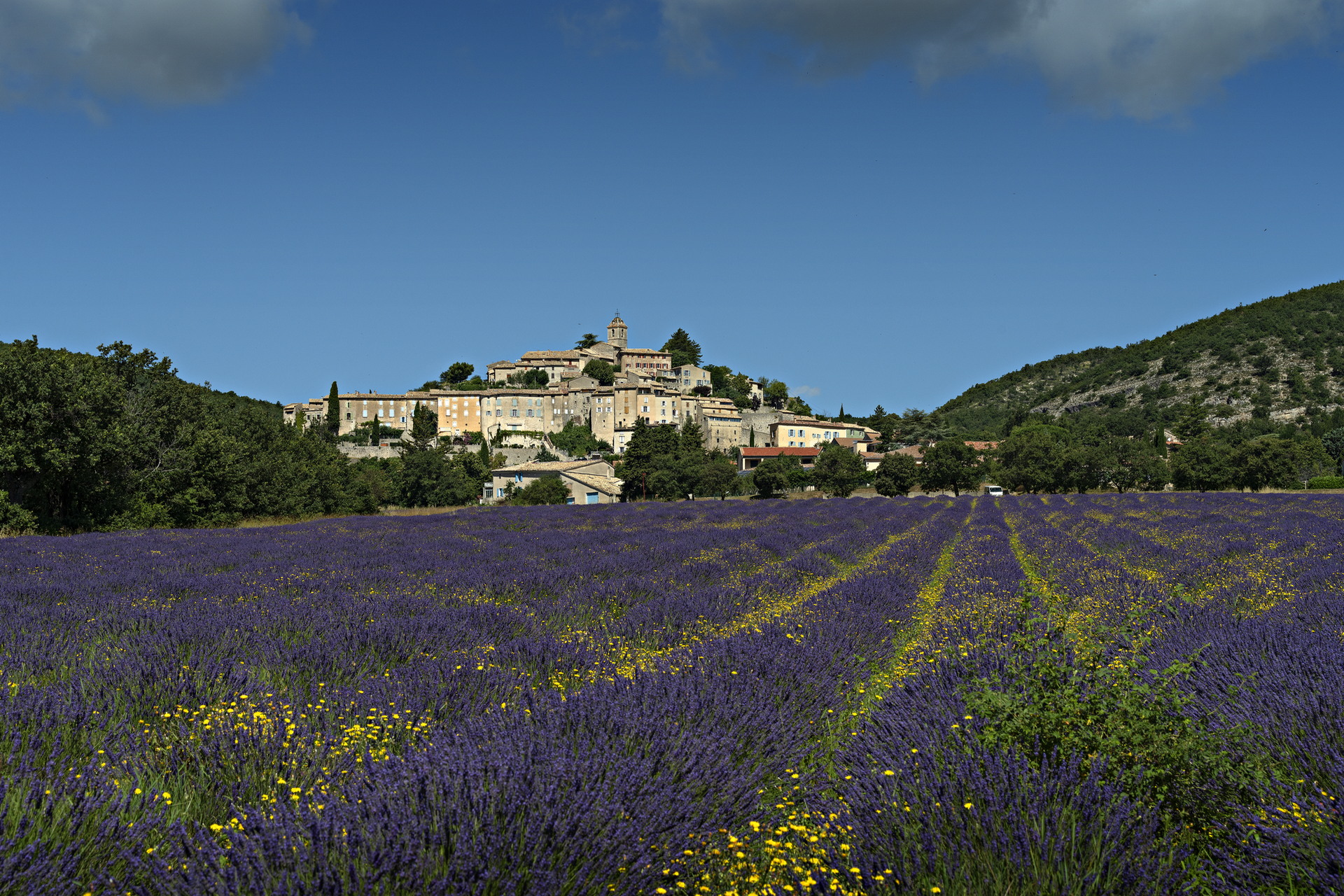
The name Revest-des-Brousses derives from revest (the reverse side of the mountain) and brousses (scrubland or heather). For a time in the 19th century, the village was known as Revest-des-Dames, after an epidemic claimed many male lives and left the village administered by their wives.
Like its neighboring villages, Revest-des-Brousses traces its history back to the Neolithic and Chalcolithic periods—two oppidum sites were occupied during protohistoric times. Numerous Paleolithic traces remain visible throughout the area, including the Grange-Neuve rock shelter and open-air sites.
The village emerged in the Middle Ages and participated in the États de Provence at the end of the 14th century. From the 18th century onward, it became one of the first to practice human transhumance: each winter, residents descended to Marseille, returning in spring for fieldwork as the village was a major silk-producing center (cocoon production).
Like many rural villages, Revest-des-Brousses experienced significant depopulation in the late 19th and early 20th centuries, though this trend reversed in the 1990s. The village is part of the Luberon Regional Natural Park.


what to see
Château du Villard: A defensive medieval castle steeped in history, with authentic Provençal furniture spanning the 15th to 18th centuries and a medieval garden.
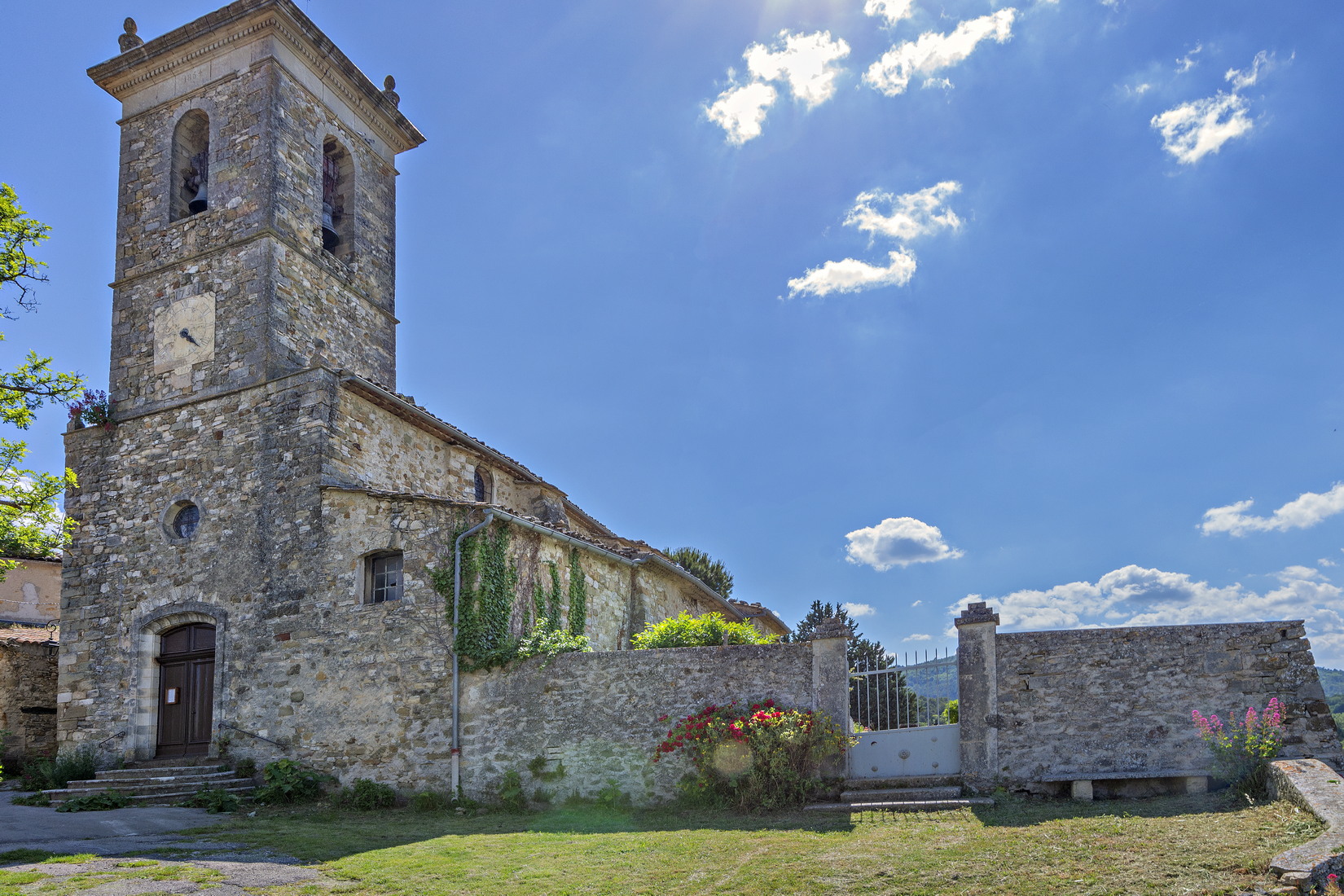
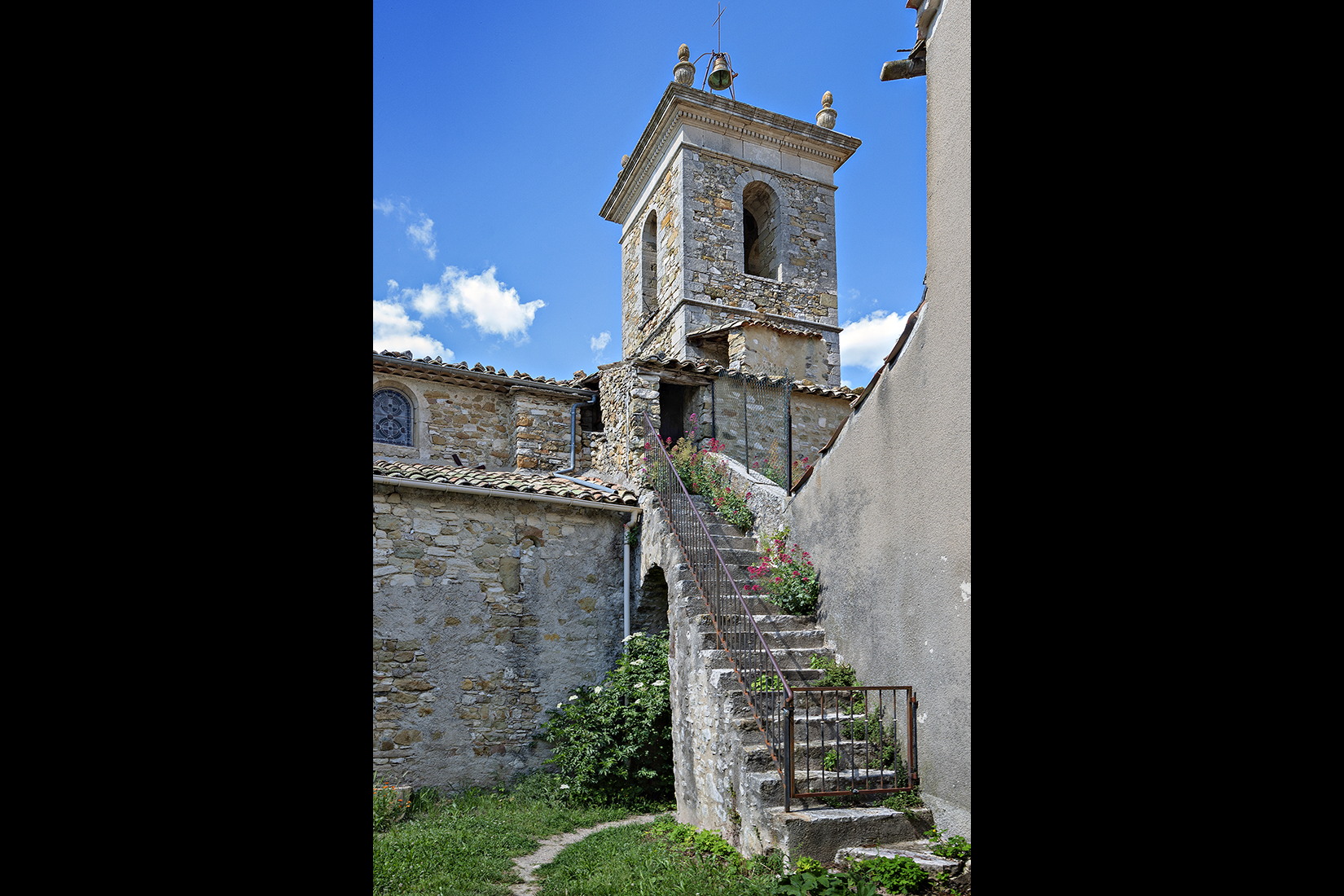
Church of Saint-Côme-et-Saint-Damien: Overlooking the village, this church retains its Gothic character despite two reconstructions—the first following the Wars of Religion, the second after the Revolution.
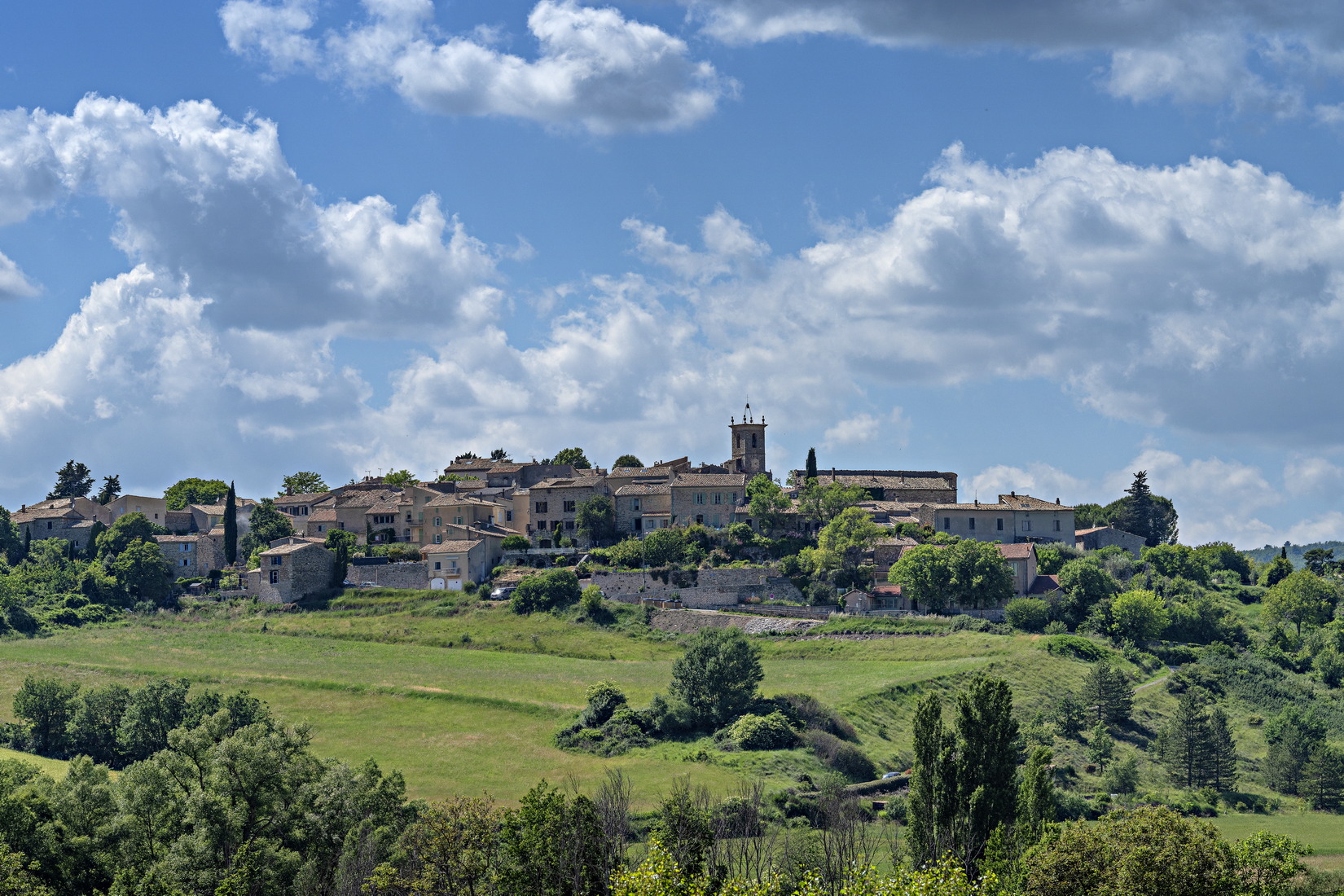
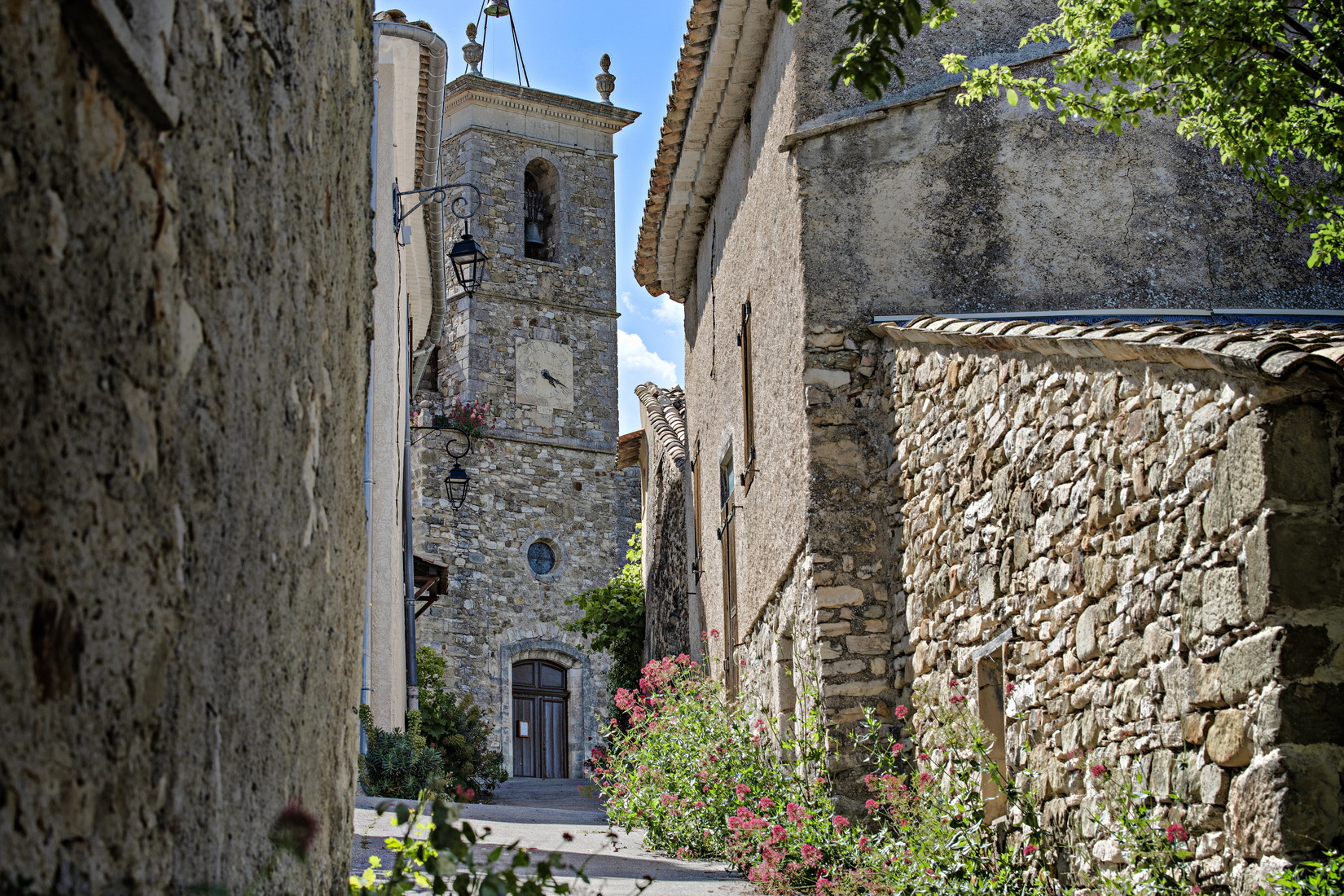
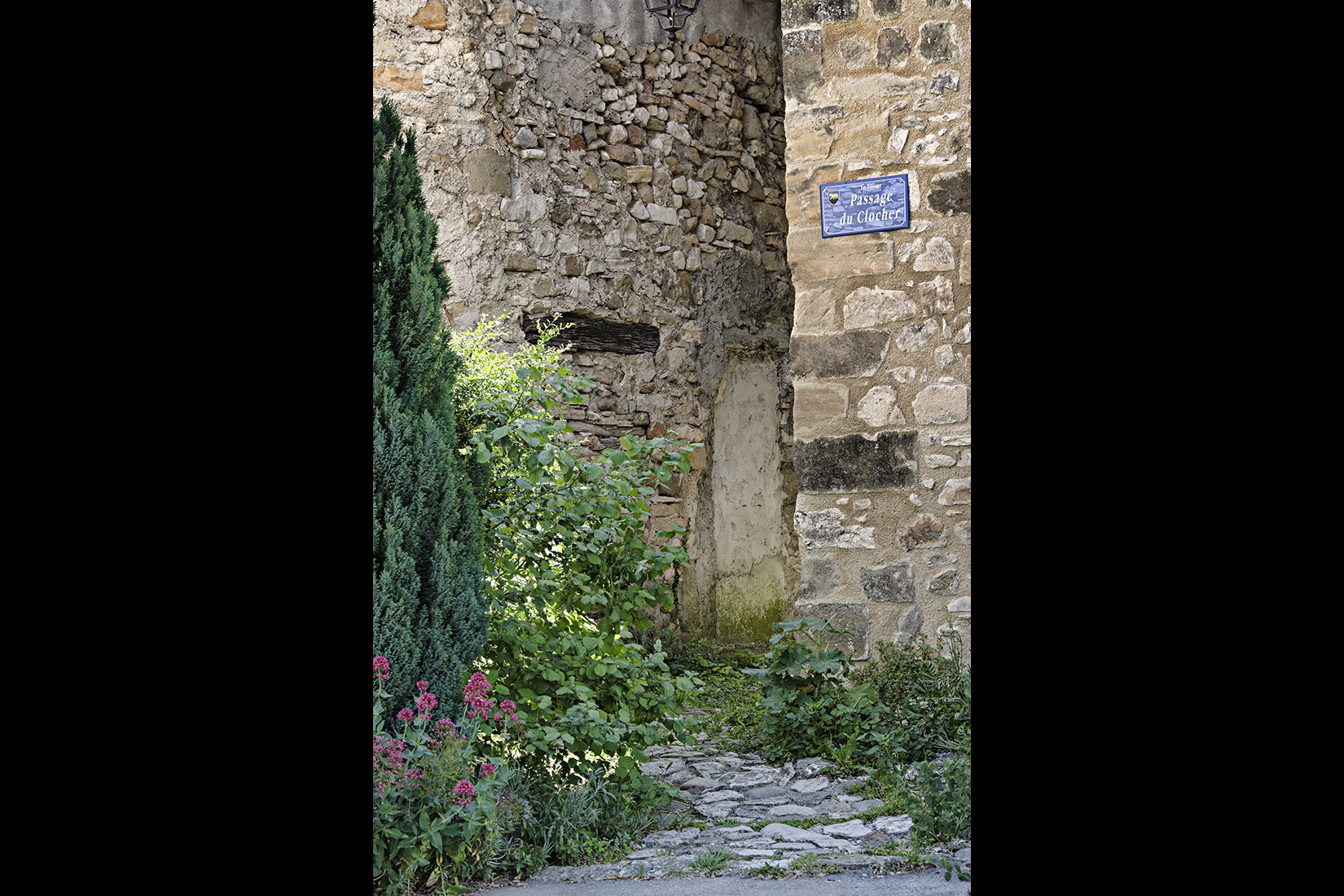
The Village: The village center occupies a plateau featuring a spacious, welcoming central square. Explore charming houses with small courtyards and wander through its narrow lanes.
Mourres Gate: The sole surviving remnant of the village’s 15th-century fortifications.
Château-Mairie: A 17th-century building now housing the town hall, which preserves five paintings depicting village streets circa 1835.
Château Pontevès: The former Servite Convent, established in Revest-des-Brousses toward the end of the Middle Ages, features a lovely, landscaped park.
Revest Tower: Access is difficult, but the views are worth it. This site was first an oppidum, then later housed a watchtower. Only fragments remain today.
Silvabelle (or Sylvabelle): A small 17th-century manor with beautifully maintained grounds. Private property—not open to visitors.
The “Roman Bridge” of the Largue: Though locally known as Roman, it actually dates only to 1837. The true Roman bridge likely stood nearby at the ford crossing.
Gubian: A hamlet whose history reaches back to antiquity. During the Middle Ages, it became one of the region’s first sites for small-scale pottery, metalworking, and glassmaking.
Valmartine: A remarkable natural site dotted with meadows and forests—ideal for a peaceful break in unspoiled surroundings.
A “Mystery Walk” game (balade-enquête) created by the town hall lets visitors discover the village through an interactive trail. Game kits are available at the Revest-des-Brousses town hall and at tourist offices in Mane, Banon, Reillanne, and Saint-Michel-l’Observatoire.
Notable Figures
Jacques GAFFAREL: A priest and doctor of theology considered the leading representative of Christian Kabbalah in the 17th century. Born in Mane, he made Revest-des-Brousses his adopted homeland.
Aimée CASTAIN: A shepherdess, painter, poet, archaeologist, and botanist who gained renown through her work with the Alpes de Lumière association.
Jules MOUGIN: A postman-poet who founded the Proletarian Literature movement.

outdoor
activities
Cycling routes
crafts
altitude
area
Accueil » Authentic Haute-Provence – Revest-des-Brousses
our villages :
revest-des-brousses
The name Revest-des-Brousses derives from revest (the reverse side of the mountain) and brousses (scrubland or heather). For a time in the 19th century, the village was known as Revest-des-Dames, after an epidemic claimed many male lives and left the village administered by their wives.
Like its neighboring villages, Revest-des-Brousses traces its history back to the Neolithic and Chalcolithic periods—two oppidum sites were occupied during protohistoric times. Numerous Paleolithic traces remain visible throughout the area, including the Grange-Neuve rock shelter and open-air sites.
The village emerged in the Middle Ages and participated in the États de Provence at the end of the 14th century. From the 18th century onward, it became one of the first to practice human transhumance: each winter, residents descended to Marseille, returning in spring for fieldwork as the village was a major silk-producing center (cocoon production).
Like many rural villages, Revest-des-Brousses experienced significant depopulation in the late 19th and early 20th centuries, though this trend reversed in the 1990s. The village is part of the Luberon Regional Natural Park.
what to see
Château du Villard: A defensive medieval castle steeped in history, with authentic Provençal furniture spanning the 15th to 18th centuries and a medieval garden.
Church of Saint-Côme-et-Saint-Damien: Overlooking the village, this church retains its Gothic character despite two reconstructions—the first following the Wars of Religion, the second after the Revolution.
The Village: The village center occupies a plateau featuring a spacious, welcoming central square. Explore charming houses with small courtyards and wander through its narrow lanes.
Mourres Gate: The sole surviving remnant of the village’s 15th-century fortifications.
Château-Mairie: A 17th-century building now housing the town hall, which preserves five paintings depicting village streets circa 1835.
Château Pontevès: The former Servite Convent, established in Revest-des-Brousses toward the end of the Middle Ages, features a lovely, landscaped park.
Revest Tower: Access is difficult, but the views are worth it. This site was first an oppidum, then later housed a watchtower. Only fragments remain today.
Silvabelle (or Sylvabelle): A small 17th-century manor with beautifully maintained grounds. Private property—not open to visitors.
The “Roman Bridge” of the Largue: Though locally known as Roman, it actually dates only to 1837. The true Roman bridge likely stood nearby at the ford crossing.
Gubian: A hamlet whose history reaches back to antiquity. During the Middle Ages, it became one of the region’s first sites for small-scale pottery, metalworking, and glassmaking.
Valmartine: A remarkable natural site dotted with meadows and forests—ideal for a peaceful break in unspoiled surroundings.
A “Mystery Walk” game (balade-enquête) created by the town hall lets visitors discover the village through an interactive trail. Game kits are available at the Revest-des-Brousses town hall and at tourist offices in Mane, Banon, Reillanne, and Saint-Michel-l’Observatoire.
Notable Figures
Jacques GAFFAREL: A priest and doctor of theology considered the leading representative of Christian Kabbalah in the 17th century. Born in Mane, he made Revest-des-Brousses his adopted homeland.
Aimée CASTAIN: A shepherdess, painter, poet, archaeologist, and botanist who gained renown through her work with the Alpes de Lumière association.
Jules MOUGIN: A postman-poet who founded the Proletarian Literature movement.
