
our villages :
saint-michel l'observatoire

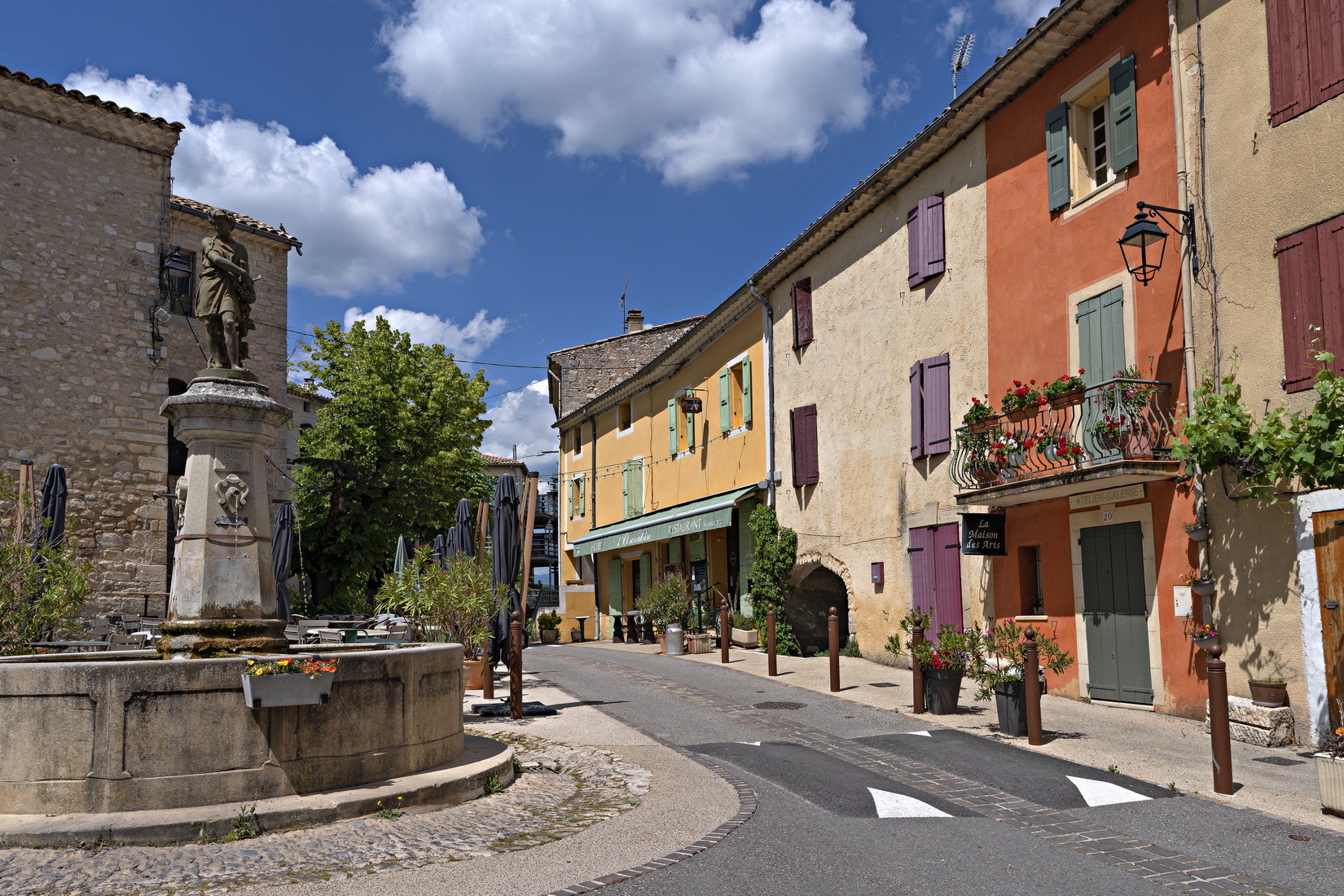
Saint-Michel-l’Observatoire was renamed following the construction of the Haute-Provence Observatory in 1937 (the first laboratory founded by the CNRS), but its history begins much earlier. The first traces of human occupation date back to the Paleolithic era (seven oppida have been identified), followed by antiquity with the presence of the Gaulish Sogiontii people.
Two reminders of the Roman period are still visible in the commune: the Tavernoure Milestone and the Reculon Ford, which bear witness to the passage of the Via Domitia (the route linking Italy to Spain).
From the Middle Ages onward, Saint-Michel belonged to the County of Forcalquier, and during the Convention period, the commune was renamed Mont-Michel (the ramparts were opened in 1805). Unfortunately, from the mid-19th century, the commune experienced demographic decline, which intensified during World War I. However, following the construction of the Haute-Provence Observatory and the establishment of Harmonia Mundi music publishers (in the 1950s), the area experienced an economic and cultural revival.


what to see
Observatoire de Haute-Provence (Haute-Provence Observatory): Tour the Great Dome housing the 1.93-meter diameter telescope, with a guide explaining the research and discoveries made at the site.
Centre Astro (Astronomy Center): Public activities include daytime solar observations and nighttime viewing of stars and other celestial objects, along with lectures, concerts, and more.
Planétarium de Haute-Provence (Haute-Provence Planetarium): Various shows are offered throughout the year for all ages in a theater capable of projecting over forty million stars.
Heritage
Saint-Michel boasts a rich architectural heritage well worth exploring:
Church of Saint-Pierre: Also known as Saint-Pierre-dans-les-murs or the Lower Church. Located in the heart of the village, this Romanesque-style church has been the parish church since 1805. The building has undergone numerous modifications but appears to date from the 13th century.
Chapel of Saint-Michel or Upper Church: Dating from the 12th century, it is situated beneath the former oppidum. It houses unique frescoes from the 12th, 13th, and 14th centuries. The building is adjoined by a 12th-century priory.
Chapel of Saint-Jean-de-Fuzils: The origins of this chapel appear to date back to the 8th or 9th century, and it was part of the possessions of the Abbey of Saint-André de Villeneuve-les-Avignon.
Porchères Tower: Dating from medieval times, this was a defensive keep or watchtower for the hamlet or district of Porchères.
Windmill: Built in 1838 and operational until 1851. It was completely restored in 2009 and equipped with a motor for demonstrations during tours organized by the Association des Amis de St Michel / Lincel.
Animal-Powered Oil Mill: Remnant of the last oil mill in Saint-Michel, whose operation ceased in 1938. The millstone was powered by an animal, hence the name “à sang” (animal-powered).
The Wash Houses: The Barri Wash House, built in 1908, and the Marceline Wash House, which is the village’s oldest water source, used from the Middle Ages until 1902.
The Former Village Gates: Now disappeared, these three gates once allowed the ramparts to be closed: the Hautuelle Gate (located to the west and destroyed in 1882), the Serre Gate (the oldest medieval gate, destroyed by lightning in 1892), and the Ardène Gate (located to the east of the village on the road to Forcalquier and destroyed in the late 19th century).
Church of Sainte-Marie-Madeleine in Lincel: In Romanesque style, this church is mentioned as early as 1155 in a papal bull by Pope Adrian IV.
Lincel Wash House: Inaugurated in 1913, this wash house brought running water to the commune of Lincel.
Grande Fontaine Wash House: This wash house is located away from Lincel and served as a communal fountain and watering trough until the early 1900s.
Notable Figures
Throughout its history, the village of Saint-Michel / Lincel has been home to illustrious figures and was even the site of an extraordinary discovery. Among the most famous: Jean-Dominique Cassini (astronomer, engineer, and first director of the Paris Observatory), Taos Amrouche (Kabyle artist, writer, and performer of traditional Berber songs from Kabylia), Léandre Mégy (ingenious inventor of the “Mégy brake” for stopping loads in lifting equipment), and Michel Mayor and Didier Queloz (2019 Nobel Prize winners in Physics for their discovery at the Haute-Provence Observatory).

outdoor
activities
Cycling routes
Mountain biking
crafts
Ceramicist
altitude
area
Accueil » Authentic Haute-Provence – Saint-Michel-L’Observatoire
our villages :
saint-michel l'observatoire
Saint-Michel-l’Observatoire was renamed following the construction of the Haute-Provence Observatory in 1937 (the first laboratory founded by the CNRS), but its history begins much earlier. The first traces of human occupation date back to the Paleolithic era (seven oppida have been identified), followed by antiquity with the presence of the Gaulish Sogiontii people.
Two reminders of the Roman period are still visible in the commune: the Tavernoure Milestone and the Reculon Ford, which bear witness to the passage of the Via Domitia (the route linking Italy to Spain).
From the Middle Ages onward, Saint-Michel belonged to the County of Forcalquier, and during the Convention period, the commune was renamed Mont-Michel (the ramparts were opened in 1805). Unfortunately, from the mid-19th century, the commune experienced demographic decline, which intensified during World War I. However, following the construction of the Haute-Provence Observatory and the establishment of Harmonia Mundi music publishers (in the 1950s), the area experienced an economic and cultural revival.
what to see
Observatoire de Haute-Provence (Haute-Provence Observatory): Tour the Great Dome housing the 1.93-meter diameter telescope, with a guide explaining the research and discoveries made at the site.
Centre Astro (Astronomy Center): Public activities include daytime solar observations and nighttime viewing of stars and other celestial objects, along with lectures, concerts, and more.
Planétarium de Haute-Provence (Haute-Provence Planetarium): Various shows are offered throughout the year for all ages in a theater capable of projecting over forty million stars.
Heritage
Saint-Michel boasts a rich architectural heritage well worth exploring:
Church of Saint-Pierre: Also known as Saint-Pierre-dans-les-murs or the Lower Church. Located in the heart of the village, this Romanesque-style church has been the parish church since 1805. The building has undergone numerous modifications but appears to date from the 13th century.
Chapel of Saint-Michel or Upper Church: Dating from the 12th century, it is situated beneath the former oppidum. It houses unique frescoes from the 12th, 13th, and 14th centuries. The building is adjoined by a 12th-century priory.
Chapel of Saint-Jean-de-Fuzils: The origins of this chapel appear to date back to the 8th or 9th century, and it was part of the possessions of the Abbey of Saint-André de Villeneuve-les-Avignon.
Porchères Tower: Dating from medieval times, this was a defensive keep or watchtower for the hamlet or district of Porchères.
Windmill: Built in 1838 and operational until 1851. It was completely restored in 2009 and equipped with a motor for demonstrations during tours organized by the Association des Amis de St Michel / Lincel.
Animal-Powered Oil Mill: Remnant of the last oil mill in Saint-Michel, whose operation ceased in 1938. The millstone was powered by an animal, hence the name “à sang” (animal-powered).
The Wash Houses: The Barri Wash House, built in 1908, and the Marceline Wash House, which is the village’s oldest water source, used from the Middle Ages until 1902.
The Former Village Gates: Now disappeared, these three gates once allowed the ramparts to be closed: the Hautuelle Gate (located to the west and destroyed in 1882), the Serre Gate (the oldest medieval gate, destroyed by lightning in 1892), and the Ardène Gate (located to the east of the village on the road to Forcalquier and destroyed in the late 19th century).
Church of Sainte-Marie-Madeleine in Lincel: In Romanesque style, this church is mentioned as early as 1155 in a papal bull by Pope Adrian IV.
Lincel Wash House: Inaugurated in 1913, this wash house brought running water to the commune of Lincel.
Grande Fontaine Wash House: This wash house is located away from Lincel and served as a communal fountain and watering trough until the early 1900s.
Notable Figures
Throughout its history, the village of Saint-Michel / Lincel has been home to illustrious figures and was even the site of an extraordinary discovery. Among the most famous: Jean-Dominique Cassini (astronomer, engineer, and first director of the Paris Observatory), Taos Amrouche (Kabyle artist, writer, and performer of traditional Berber songs from Kabylia), Léandre Mégy (ingenious inventor of the “Mégy brake” for stopping loads in lifting equipment), and Michel Mayor and Didier Queloz (2019 Nobel Prize winners in Physics for their discovery at the Haute-Provence Observatory).
