
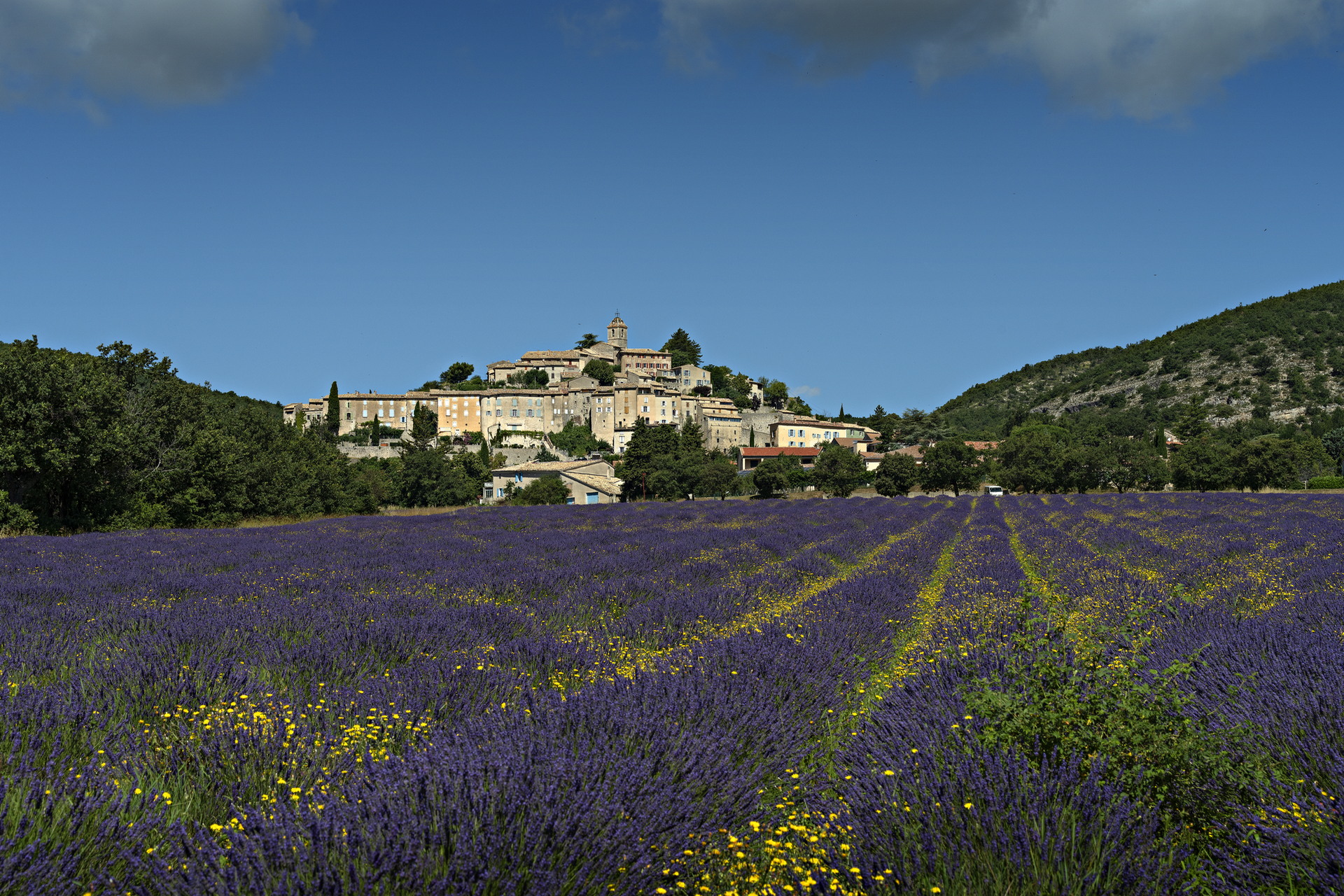
our villages :
Mane

The origin of the village name has inspired several theories: it may date back to pre-Gallic times, reflecting the many altars erected to the manes (spirits of the dead), or derive from the Gallo-Roman deity Mana Genita, traces of whom survive in the village through epitaphs, tombs, lamps, and coins.
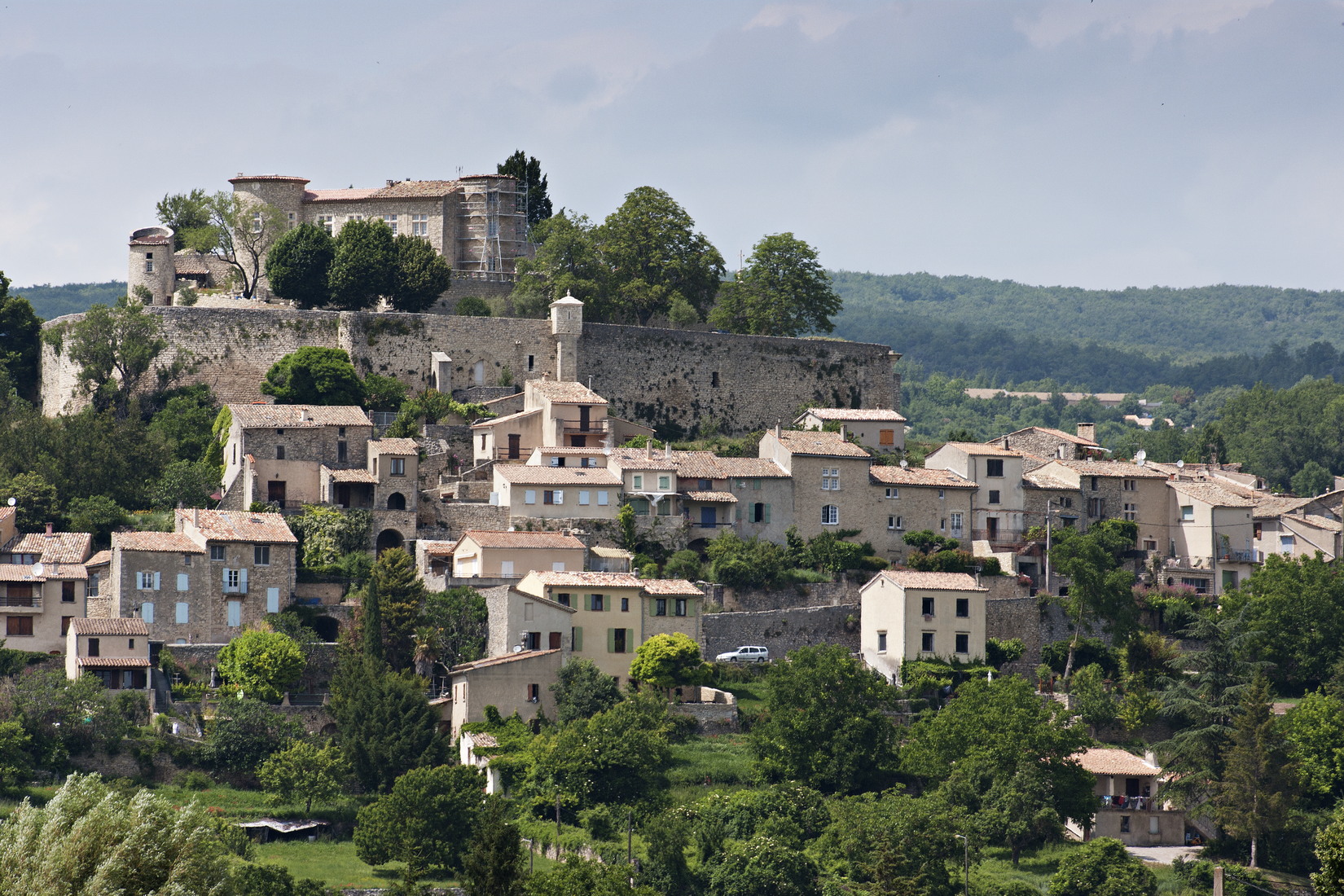
The village took shape around a 9th-century castrum, upon which a citadel was built in the 12th century. Two successive rings of fortifications were then erected: the first hugging the immediate base of the hill, and the second, dating from the 14th century, extending to encompass today’s town hall square and church. Five fortified gates provided access to the village.
Over the centuries, various lords held sway: the Forcalquiers, the Agoults, the Bouliers, and finally the Forbin-Jansons, who contributed greatly to Mane’s development.
In the 16th century, Marquis Melchior Forbin de Janson founded the Couvent des Minimes, where different religious orders succeeded one another until 1999, when the Franciscan Missionary Sisters of Mary departed and the convent was put up for sale.
In the 19th century, Mane became a major center of insurrection against Prince Louis-Napoléon’s coup d’état. Following the brutal suppression of the uprising, many residents of Mane were deported, the village was occupied by the army, and merchants were banned from conducting business.
Mane boasts a rich heritage spanning dozens of centuries. As writer Pierre Magnan so aptly described it: “Mane is a treasure trove for so many jewels.”


what to see
In the Village
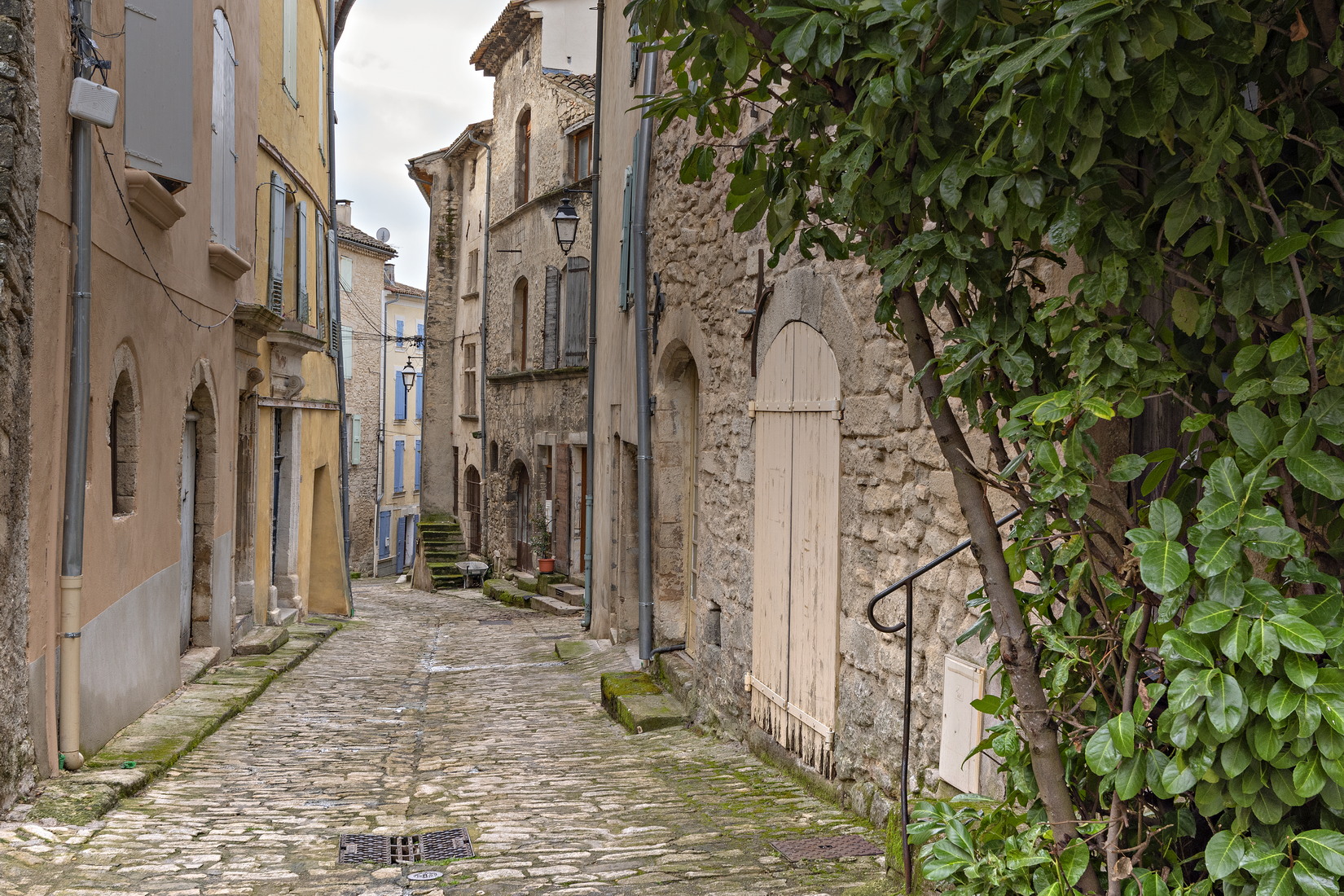
The calades: Cobblestone streets wind through the village, giving Mane its picturesque, traditional charm.
Church of Saint-André: This 17th-century church is a listed historic monument with a baroque façade and twin portals. At Christmastime, a nativity scene featuring 25 santons (traditional Provençal clay figurines) is set up inside.
Hôtel Miravail: This imposing building, once the Lower Castle, dates from the 16th century and boasts a stunning fireplace classified as a Historic Monument. The village has purchased the property and plans an ambitious restoration, though it’s currently closed to visitors.
The Fountains
The village has several springs that have fed fountains and washhouses:
Fontaine de l’Hospice (also known as Fontaine Forbin Janson): Set against the old village hospice with an adjoining washhouse (lavoir), this fountain was fully restored in 2011.
Fontaine Neuve and Fontaine du Centre: Both provided drinking water for villagers.
Fontaine de Marseille: This spring once fed two basins used for retting flax, which was cultivated locally and supported a thriving weaving trade.
Beyond the Village
Prieuré de Salagon and its gardens (Treasure of Authentic Haute-Provence): This departmental museum is a magical site with over 2,000 years of history. Visitors can explore its diverse gardens—the medicinal and village plants garden, the medieval garden, the modern era garden, and the scented garden—along with the medieval priory itself, archaeological remains, and changing exhibitions.
Château de Sauvan (Treasure of Authentic Haute-Provence): Built from 1719 by Joseph-Palamède de Forbin-Janson, this château earned the nickname the “Petit Trianon de Provence” and was designated a Historic Monument in 1957.
Pont Roman (Roman Bridge): This listed monument once carried pilgrims along the Way of St. James. A nearby postal relay station now houses the Hôtel du Pont Roman. The bridge was restored in the 20th century.
Notre-Dame de Châteauneuf (also known as Notre-Dame de l’Assomption in Châteauneuf-les-Mane): Dating from the 11th or 12th century, this chapel at Châteauneuf-les-Mane has a small 16th-century hermitage attached, which remains occupied by a hermit nun to this day.
Stone quarries: Sprawling across several hectares, these quarries yielded the famous Mane stone used to build Salagon, the Citadel, Pont Roman, and other local landmarks.
Couvent des Minimes: Founded in the early 17th century, this convent welcomed its last nuns in 1999 before being sold. It’s now a L’Occitane hotel and spa, part of the prestigious Relais & Châteaux collection.
Notable Figures
Mane has been home to several remarkable individuals:
The VALLON FAMILY: This dynasty of architects left their mark throughout the village, designing the Église Saint-André, the Chapelle des Pénitents, and a hospice.
Jacques Gaffarel: Prior of Ganagobie and doctor of canon law, this theologian and orientalist had a passion for curiosities and the occult. A friend of GASSENDI, he enjoyed the patronage of Cardinal RICHELIEU—who charged him with acquiring rare books for the Bibliothèque Nationale—and later Cardinal MAZARIN. An erudite and distinctly eccentric scholar.
Louis FEUILLÉE: This clergyman was also an accomplished astronomer, geographer, “royal mathematician” to both Louis XIV and Louis XV, and an explorer who mapped much of South America.
Henri Laugier: Physiologist and humanist whose distinguished career encompassed countless roles. He helped establish the Palais de la Découverte (Paris’s Science Museum), served as the first director of France’s CNRS (National Centre for Scientific Research), and, as Assistant Secretary-General of the United Nations, contributed to drafting the Universal Declaration of Human Rights.
Mane on Screen:
Mane has appeared in several films, including:
La Maison Assassinée (1988), directed by Gérard LAUTNER and starring Patrick BRUEL, Anne BROCHET, and Jean-Pierre SENTIER
Après la guerre (1989), directed by Jean-Loup HUBERT and starring Richard BOHRINGER, Antoine HUBERT, and Julien HUBERT

outdoor
activities
Cycling routes
crafts
Framer
Metal sculptor
Piano restorer
Textile weaver
Cabinetmaker
Art gallery
altitude
area
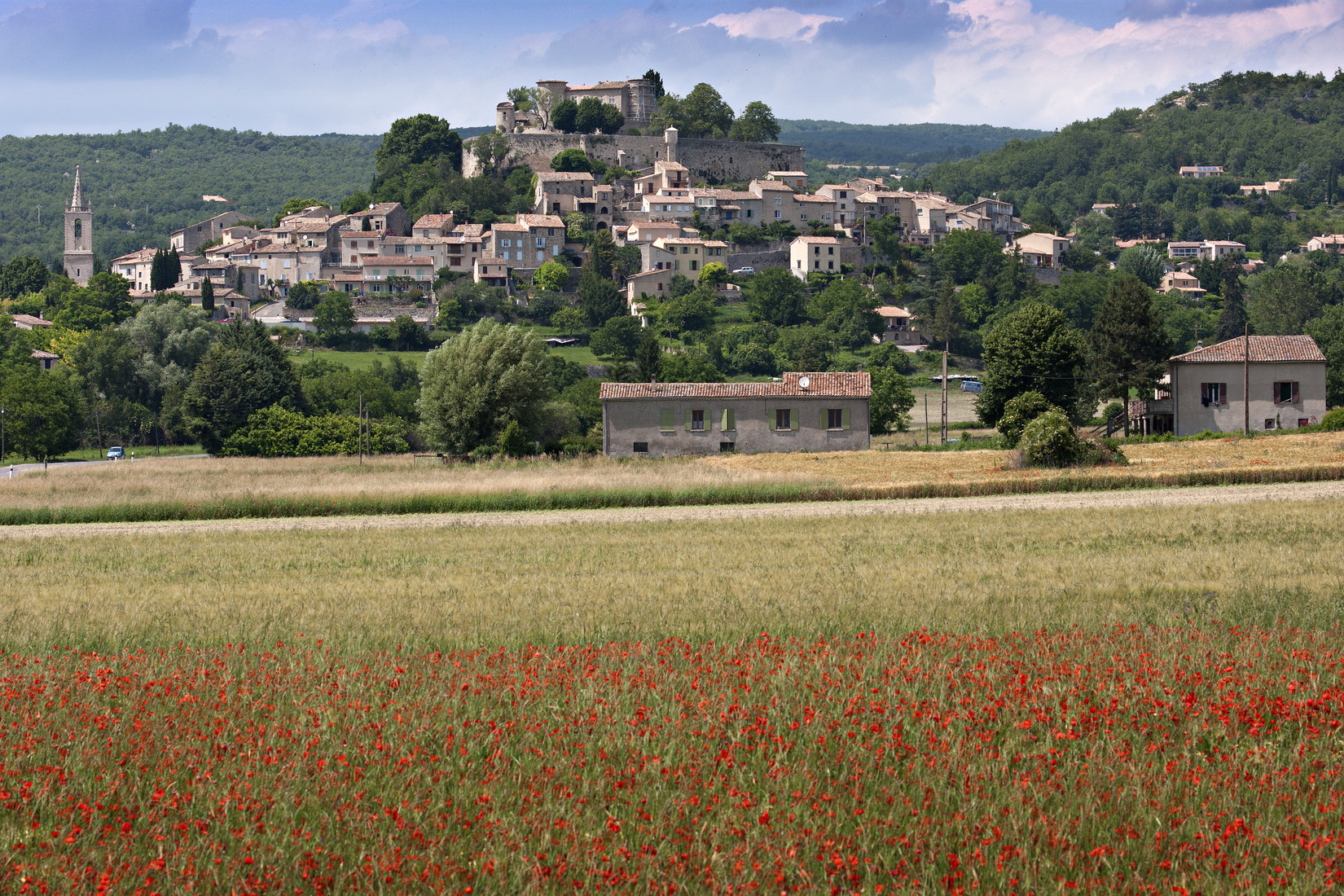
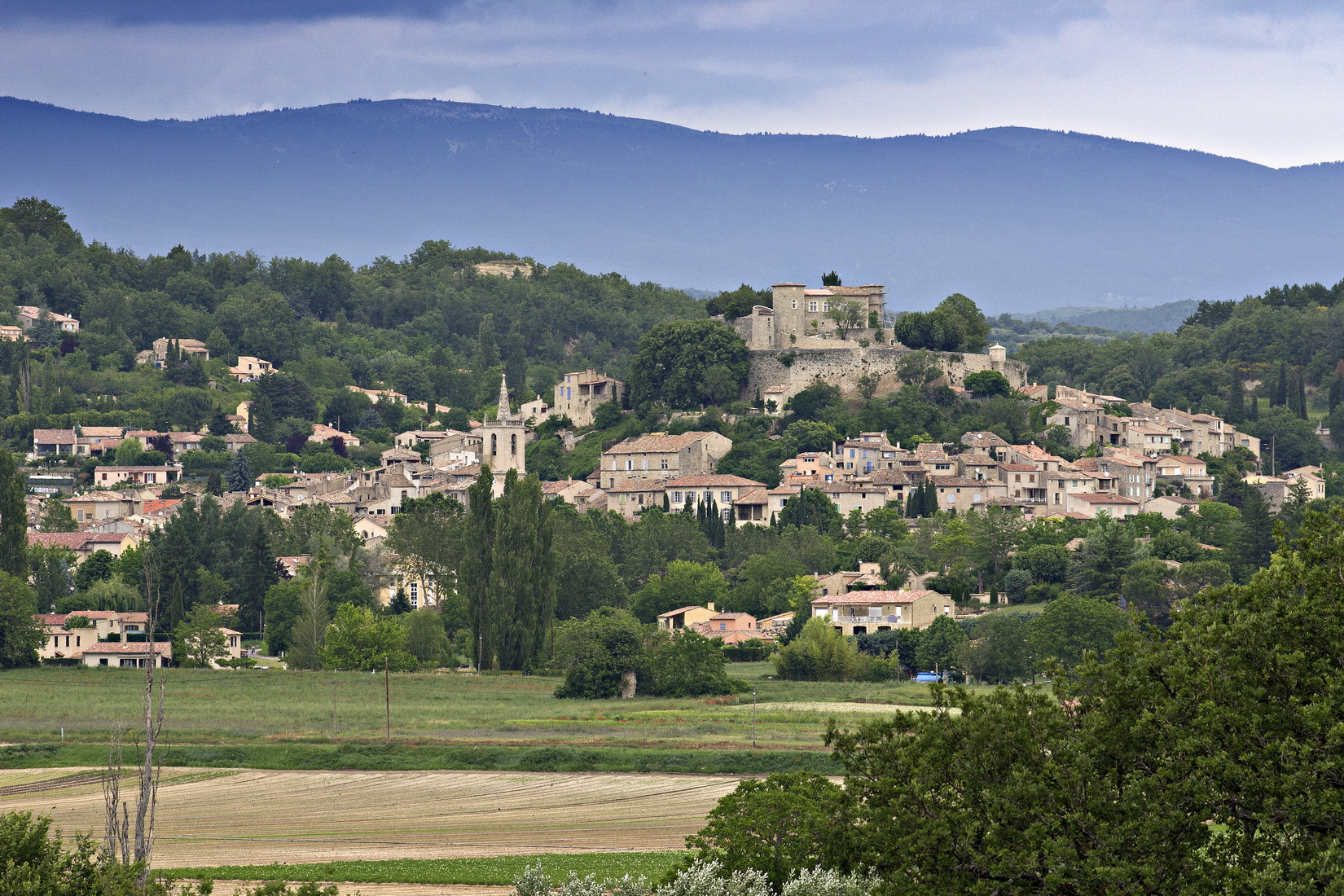
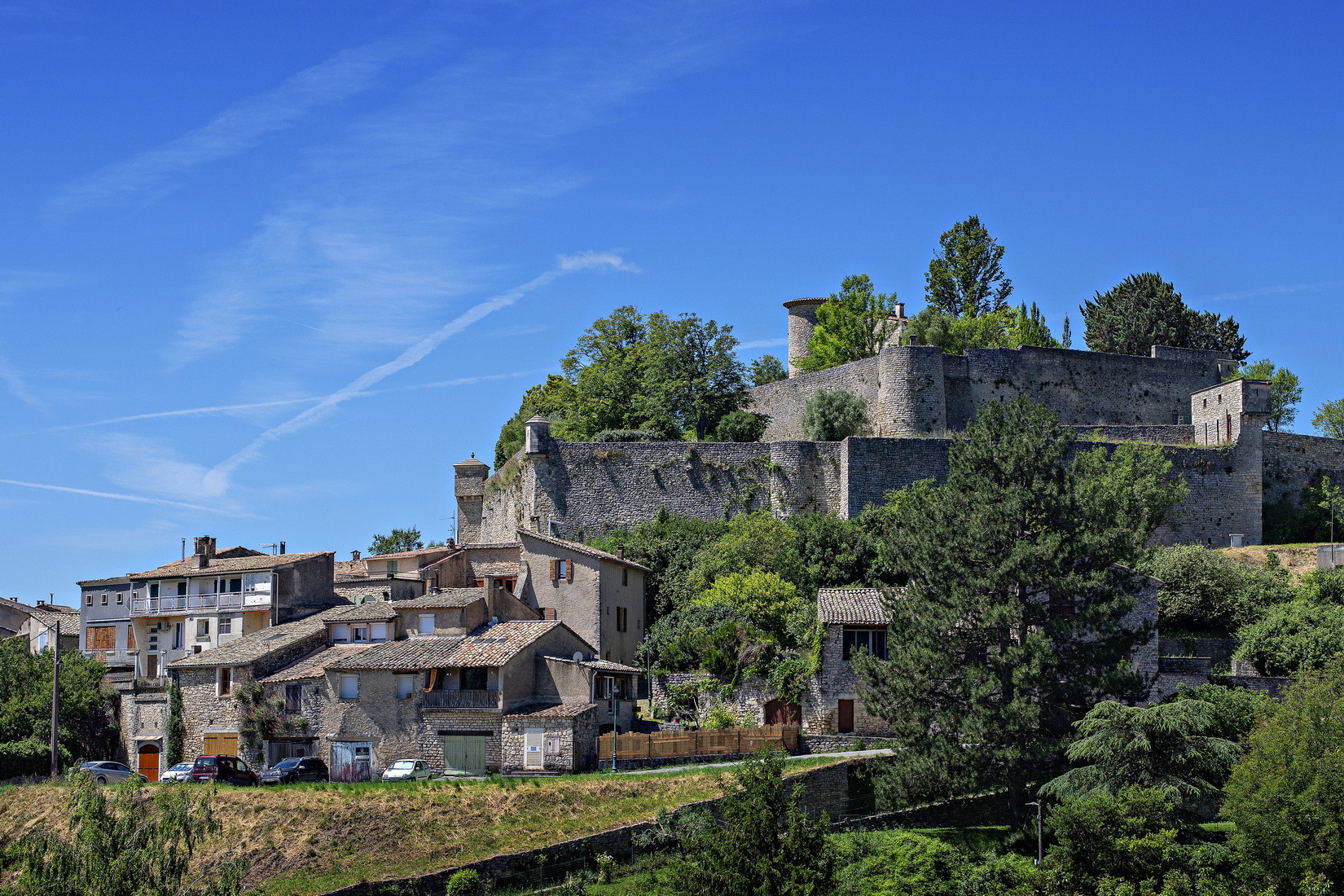
Accueil » Authentic Haute-Provence – Mane
our villages :
Mane
The origin of the village name has inspired several theories: it may date back to pre-Gallic times, reflecting the many altars erected to the manes (spirits of the dead), or derive from the Gallo-Roman deity Mana Genita, traces of whom survive in the village through epitaphs, tombs, lamps, and coins.
The village took shape around a 9th-century castrum, upon which a citadel was built in the 12th century. Two successive rings of fortifications were then erected: the first hugging the immediate base of the hill, and the second, dating from the 14th century, extending to encompass today’s town hall square and church. Five fortified gates provided access to the village.
Over the centuries, various lords held sway: the Forcalquiers, the Agoults, the Bouliers, and finally the Forbin-Jansons, who contributed greatly to Mane’s development.
In the 16th century, Marquis Melchior Forbin de Janson founded the Couvent des Minimes, where different religious orders succeeded one another until 1999, when the Franciscan Missionary Sisters of Mary departed and the convent was put up for sale.
In the 19th century, Mane became a major center of insurrection against Prince Louis-Napoléon’s coup d’état. Following the brutal suppression of the uprising, many residents of Mane were deported, the village was occupied by the army, and merchants were banned from conducting business.
Mane boasts a rich heritage spanning dozens of centuries. As writer Pierre Magnan so aptly described it: “Mane is a treasure trove for so many jewels.”
what to see
In the Village
The calades: Cobblestone streets wind through the village, giving Mane its picturesque, traditional charm.
Church of Saint-André: This 17th-century church is a listed historic monument with a baroque façade and twin portals. At Christmastime, a nativity scene featuring 25 santons (traditional Provençal clay figurines) is set up inside.
Hôtel Miravail: This imposing building, once the Lower Castle, dates from the 16th century and boasts a stunning fireplace classified as a Historic Monument. The village has purchased the property and plans an ambitious restoration, though it’s currently closed to visitors.
The Fountains
The village has several springs that have fed fountains and washhouses:
Fontaine de l’Hospice (also known as Fontaine Forbin Janson): Set against the old village hospice with an adjoining washhouse (lavoir), this fountain was fully restored in 2011.
Fontaine Neuve and Fontaine du Centre: Both provided drinking water for villagers.
Fontaine de Marseille: This spring once fed two basins used for retting flax, which was cultivated locally and supported a thriving weaving trade.
Beyond the Village
Prieuré de Salagon and its gardens (Treasure of Authentic Haute-Provence) : This departmental museum is a magical site with over 2,000 years of history. Visitors can explore its diverse gardens—the medicinal and village plants garden, the medieval garden, the modern era garden, and the scented garden—along with the medieval priory itself, archaeological remains, and changing exhibitions.
Château de Sauvan (Treasure of Authentic Haute-Provence) : Built from 1719 by Joseph-Palamède de Forbin-Janson, this château earned the nickname the “Petit Trianon de Provence” and was designated a Historic Monument in 1957.
Pont Roman (Roman Bridge): This listed monument once carried pilgrims along the Way of St. James. A nearby postal relay station now houses the Hôtel du Pont Roman. The bridge was restored in the 20th century.
Notre-Dame de Châteauneuf (also known as Notre-Dame de l’Assomption in Châteauneuf-les-Mane): Dating from the 11th or 12th century, this chapel at Châteauneuf-les-Mane has a small 16th-century hermitage attached, which remains occupied by a hermit nun to this day.
Stone quarries: Sprawling across several hectares, these quarries yielded the famous Mane stone used to build Salagon, the Citadel, Pont Roman, and other local landmarks.
Couvent des Minimes: Founded in the early 17th century, this convent welcomed its last nuns in 1999 before being sold. It’s now a L’Occitane hotel and spa, part of the prestigious Relais & Châteaux collection.
Notable Figures
Mane has been home to several remarkable individuals:
The VALLON FAMILY: This dynasty of architects left their mark throughout the village, designing the Église Saint-André, the Chapelle des Pénitents, and a hospice.
Jacques Gaffarel: Prior of Ganagobie and doctor of canon law, this theologian and orientalist had a passion for curiosities and the occult. A friend of GASSENDI, he enjoyed the patronage of Cardinal RICHELIEU—who charged him with acquiring rare books for the Bibliothèque Nationale—and later Cardinal MAZARIN. An erudite and distinctly eccentric scholar.
Louis FEUILLÉE: This clergyman was also an accomplished astronomer, geographer, “royal mathematician” to both Louis XIV and Louis XV, and an explorer who mapped much of South America.
Henri Laugier: Physiologist and humanist whose distinguished career encompassed countless roles. He helped establish the Palais de la Découverte (Paris’s Science Museum), served as the first director of France’s CNRS (National Centre for Scientific Research), and, as Assistant Secretary-General of the United Nations, contributed to drafting the Universal Declaration of Human Rights.
Mane on Screen:
Mane has appeared in several films, including:
La Maison Assassinée (1988), directed by Gérard LAUTNER and starring Patrick BRUEL, Anne BROCHET, and Jean-Pierre SENTIER
Après la guerre (1989), directed by Jean-Loup HUBERT and starring Richard BOHRINGER, Antoine HUBERT, and Julien HUBERT
