
our villages :
saint-mAIME

Saint-Maime’s history reaches back to Antiquity, when the territory was inhabited by the Sogiontii people. After the Roman conquest, it became part of the province of Narbonensis, later forming an independent administrative district with Sisteron as its capital.
The village briefly came under Italian control around 510 AD after conquest by Theodoric the Great, King of the Ostrogoths, before returning to Gaul following a reconciliation with the Burgundian king Gundemar III.
During the Middle Ages and under the Ancien Régime, Saint-Maime was part of the County of Forcalquier. A defining moment came in 1168 when the Count of Forcalquier donated the village to the Knights of Saint John—the first mention of Saint-Maime in historical records.
Legend has it that four queens—the four daughters of Count Raymond Berenger V—were born in Saint-Maime. However, historians struggle to separate fact from folklore in this tale.
During the Revolution, the village was briefly renamed Mont-Libre. In the 19th century, Saint-Maime experienced significant growth thanks to its rich mineral resources: gypsum, lignite, oil shale, rock salt, and potash. With the arrival of the railway, mining operations took on an industrial scale, transforming the area into a thriving mining community. The mines remained active until the late 1940s.
Following their closure, Saint-Maime experienced population decline—a trend that reversed from the 1980s onward.


what to see
In the Village
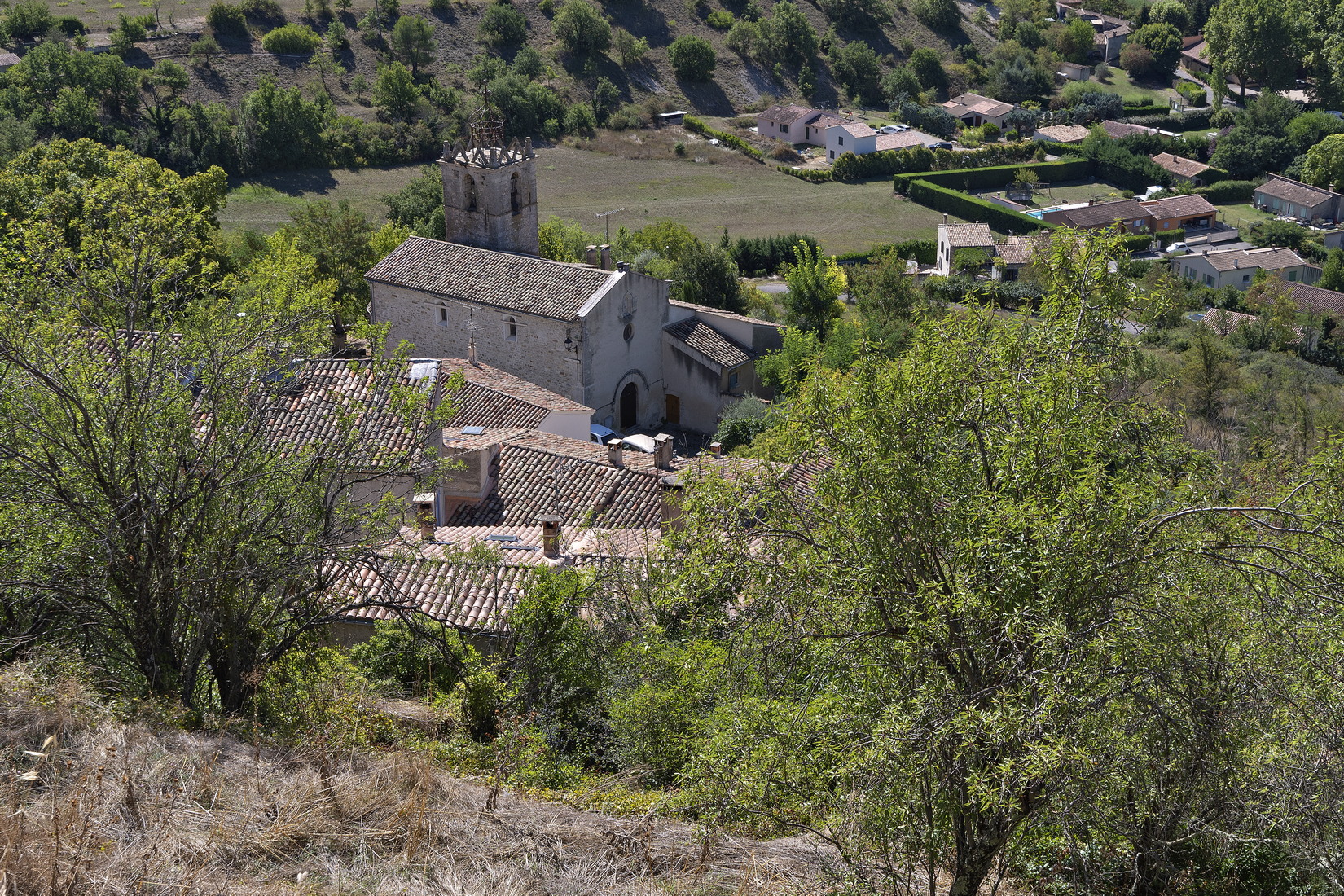
Church of Sainte-Maxime: Dating from the 14th century, this church retains many of its original features, including a side chapel whose corbels are adorned with statues of a human head, a wolf, and a lamb. The bell tower is wrought iron, a replacement for the original steeple that was struck by lightning.
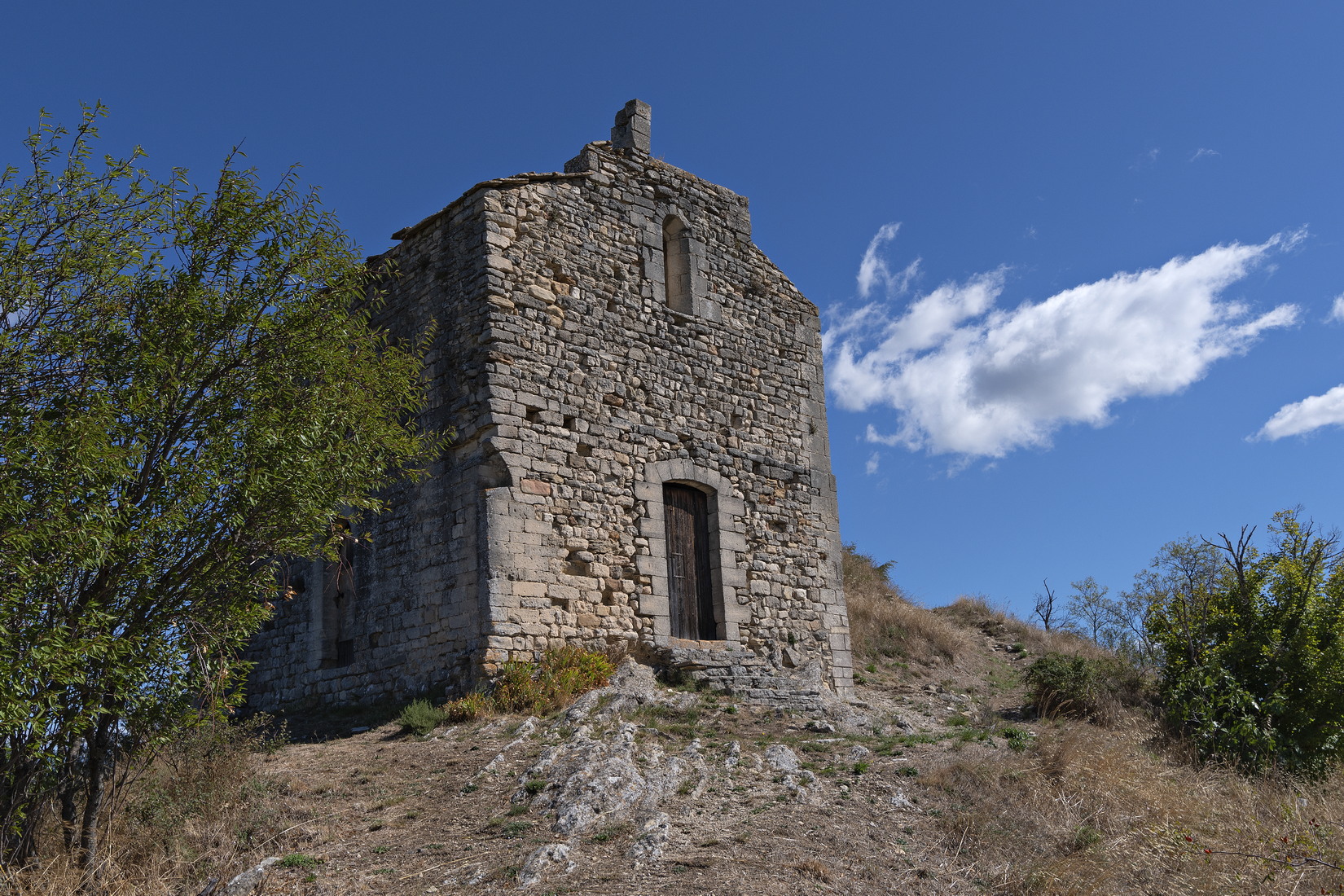
Chapel of Sainte-Agathe: Built in the 13th century, this chapel is considered one of the most remarkable in Provence and is listed as a historic monument.
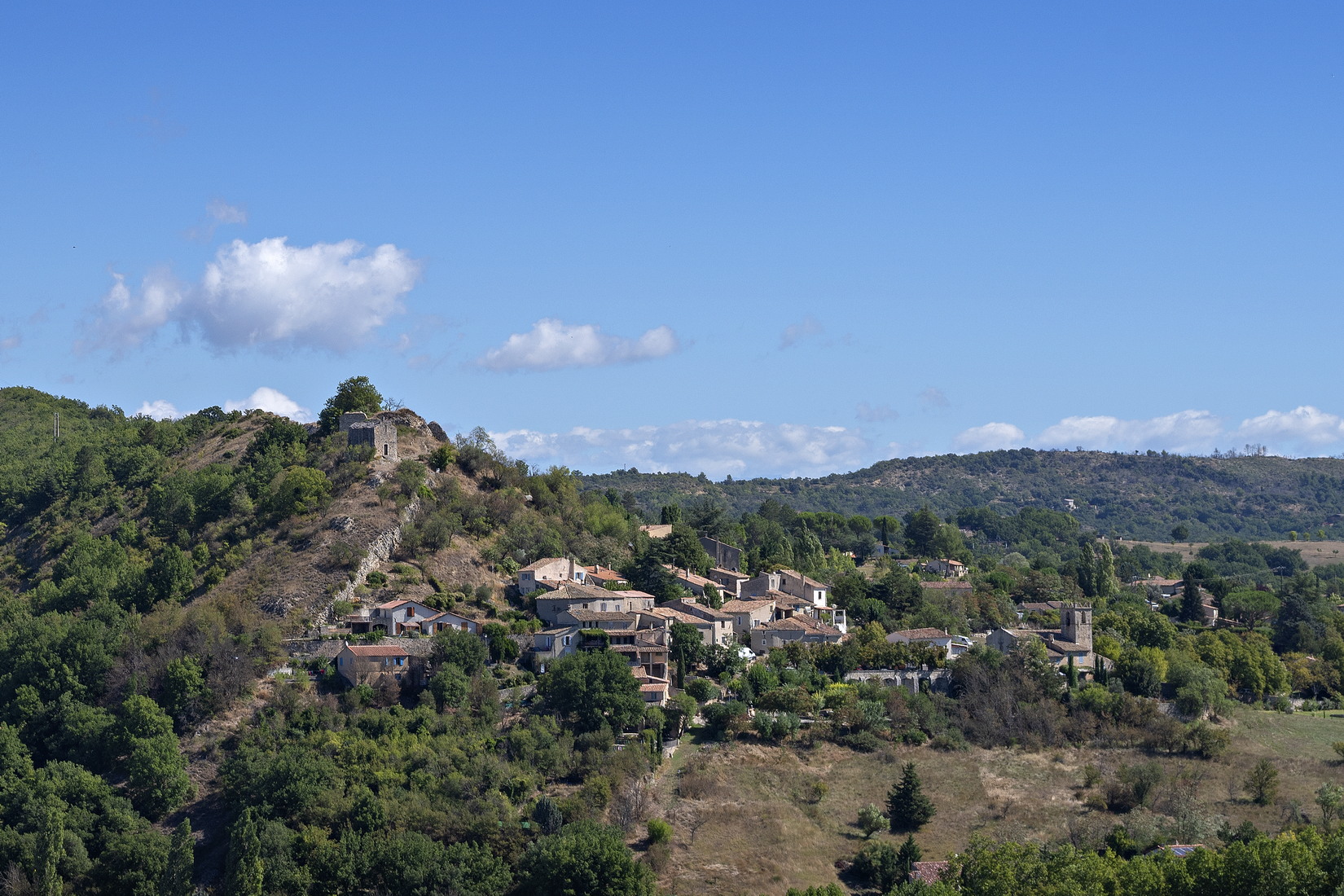
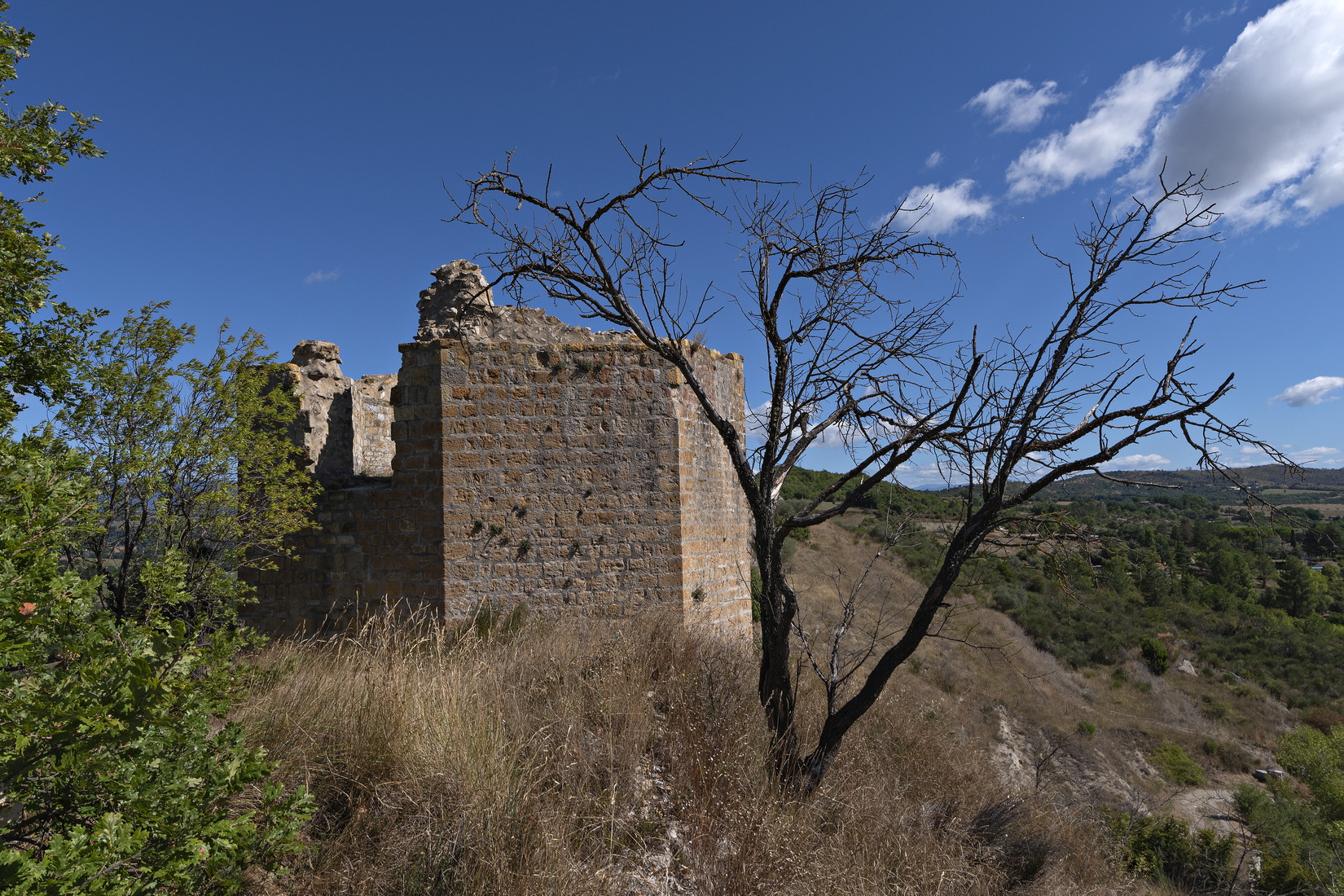
Saint-Maime Castle: This 12th-century castle once belonged to the Counts of Forcalquier. Today, several remnants survive, including an octagonal keep. Like the Chapel of Sainte-Agathe, the castle is listed as a historic monument.
Outside the Village
The Mining Heritage: The Saint-Maime mine operated across three sites: Bois d’Asson, Collet Rouge, and Puits Neuf (also known as Puits du Foulon). An aerial tramway transported ore to the railway station. All mining activity ceased in 1949.
Museum of Workers’ Memory, Mines and Miners of Provence: This museum chronicles the history of mining and miners in Provence from 1874 to 1949. Free entry.
Notable Figures
The Four Queens: Where history meets legend. Count Raymond Berenger V of Forcalquier had four daughters who each made remarkable royal marriages—to the Kings of France, England, the Romans, and Sicily-Naples respectively. Local tradition claims they were all born right here in Saint-Maime, though historians remain divided on this enchanting tale…

outdoor
activities
Cycling routes
crafts
altitude
area

Accueil » Authentic Haute-Provence – Saint-Maime
our villages :
saint-mAIME
Saint-Maime’s history reaches back to Antiquity, when the territory was inhabited by the Sogiontii people. After the Roman conquest, it became part of the province of Narbonensis, later forming an independent administrative district with Sisteron as its capital.
The village briefly came under Italian control around 510 AD after conquest by Theodoric the Great, King of the Ostrogoths, before returning to Gaul following a reconciliation with the Burgundian king Gundemar III.
During the Middle Ages and under the Ancien Régime, Saint-Maime was part of the County of Forcalquier. A defining moment came in 1168 when the Count of Forcalquier donated the village to the Knights of Saint John—the first mention of Saint-Maime in historical records.
Legend has it that four queens—the four daughters of Count Raymond Berenger V—were born in Saint-Maime. However, historians struggle to separate fact from folklore in this tale.
During the Revolution, the village was briefly renamed Mont-Libre. In the 19th century, Saint-Maime experienced significant growth thanks to its rich mineral resources: gypsum, lignite, oil shale, rock salt, and potash. With the arrival of the railway, mining operations took on an industrial scale, transforming the area into a thriving mining community. The mines remained active until the late 1940s.
Following their closure, Saint-Maime experienced population decline—a trend that reversed from the 1980s onward.
what to see
In the Village
Church of Sainte-Maxime: Dating from the 14th century, this church retains many of its original features, including a side chapel whose corbels are adorned with statues of a human head, a wolf, and a lamb. The bell tower is wrought iron, a replacement for the original steeple that was struck by lightning.
Chapel of Sainte-Agathe: Built in the 13th century, this chapel is considered one of the most remarkable in Provence and is listed as a historic monument.
Saint-Maime Castle: This 12th-century castle once belonged to the Counts of Forcalquier. Today, several remnants survive, including an octagonal keep. Like the Chapel of Sainte-Agathe, the castle is listed as a historic monument.
Outside the Village
The Mining Heritage: The Saint-Maime mine operated across three sites: Bois d’Asson, Collet Rouge, and Puits Neuf (also known as Puits du Foulon). An aerial tramway transported ore to the railway station. All mining activity ceased in 1949.
Museum of Workers’ Memory, Mines and Miners of Provence: This museum chronicles the history of mining and miners in Provence from 1874 to 1949. Free entry.
Notable Figures
The Four Queens: Where history meets legend. Count Raymond Berenger V of Forcalquier had four daughters who each made remarkable royal marriages—to the Kings of France, England, the Romans, and Sicily-Naples respectively. Local tradition claims they were all born right here in Saint-Maime, though historians remain divided on this enchanting tale…
