
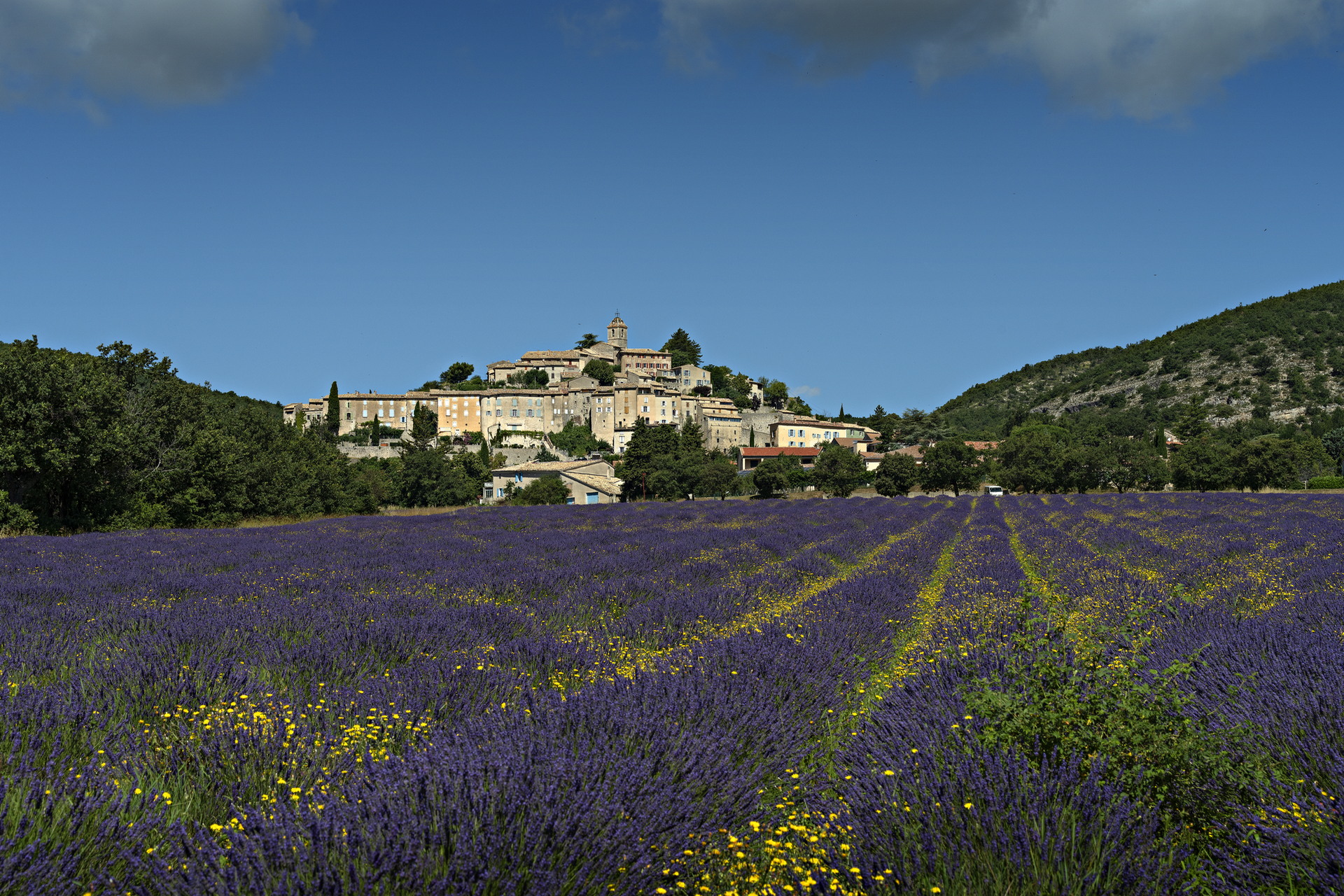
our villages :
saint-martin les eaux

Saint-Martin-les-Eaux boasts a remarkably long history, with human settlement dating back to the Neolithic period—as far back as the 5th millennium BC.
In antiquity, the territory was inhabited by the Sogiontii people, who were federated with the Vocontii. Following the Roman conquest, they were incorporated into the Roman province of Narbonensis. Evidence of a thriving Gallo-Roman community has been uncovered, including a potter’s kiln and the Passaïres site (a pottery workshop producing wine amphorae), which straddles the commune of Manosque. This site demonstrates that wine production was significant in the region, and that the Manosque area, thanks to its proximity to the Via Domitia, was deeply integrated into the Roman Empire and thoroughly permeated by its way of life.
During the Middle Ages, the territory briefly passed under Italian control before returning to Gaul under the Ostrogothic regent Amalasuntha. A castle mound was built at the site known as Le Castelas, and from the 12th century onward, the territory became part of the County of Forcalquier. Through feudal succession, the Laincel family acquired the fief, while the Renacas area came under the control of Guillaume de Sabran.
In 1892, the commune changed its name from Saint-Martin-de-Renacas to Saint-Martin-les-Eaux (“les-Eaux” meaning “the Waters”).
The 19th century brought new economic activities: gypsum and lignite mining, and in 1880, the development of the sulfurous spring for therapeutic purposes.


what to see
Church of Saint-Martin
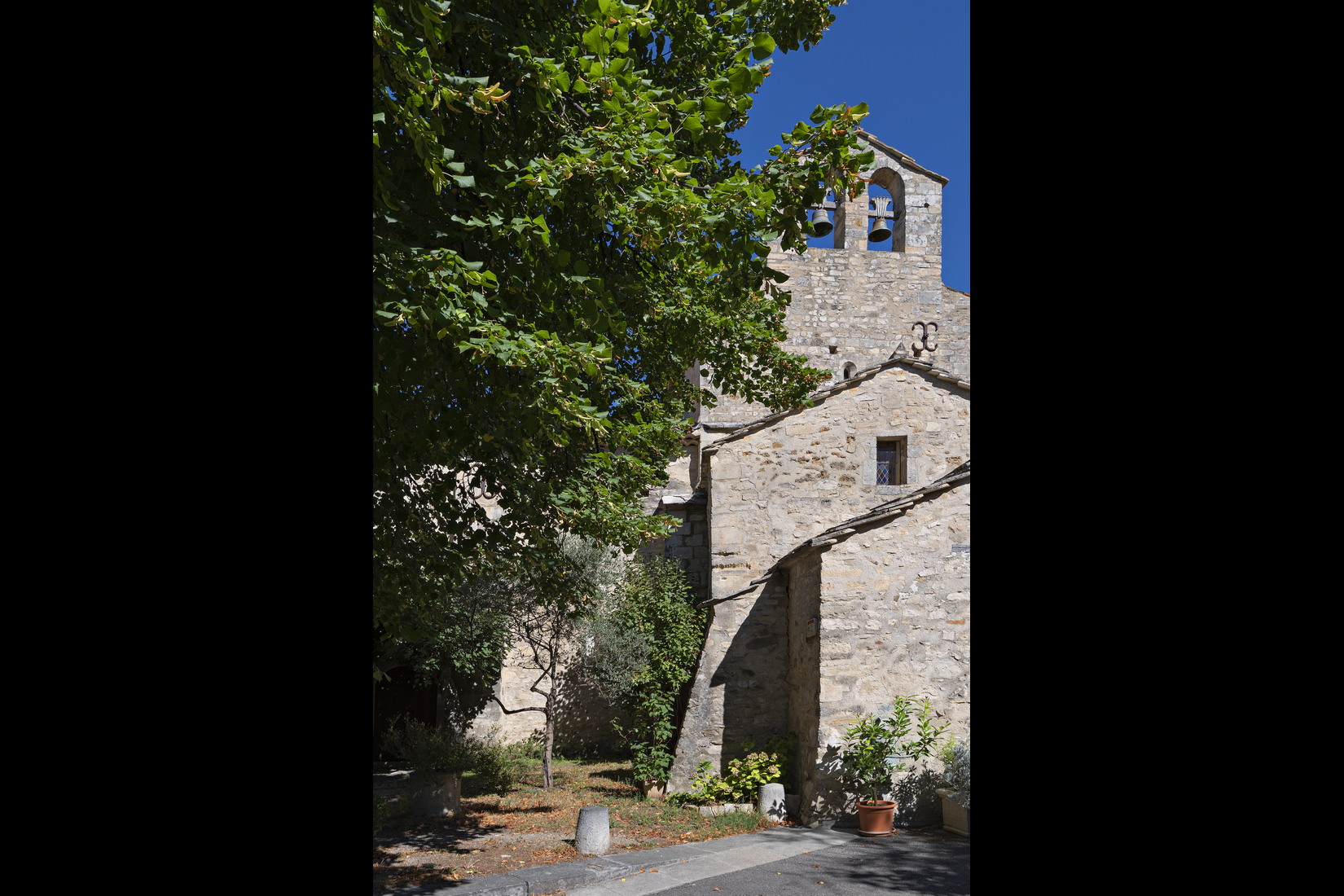
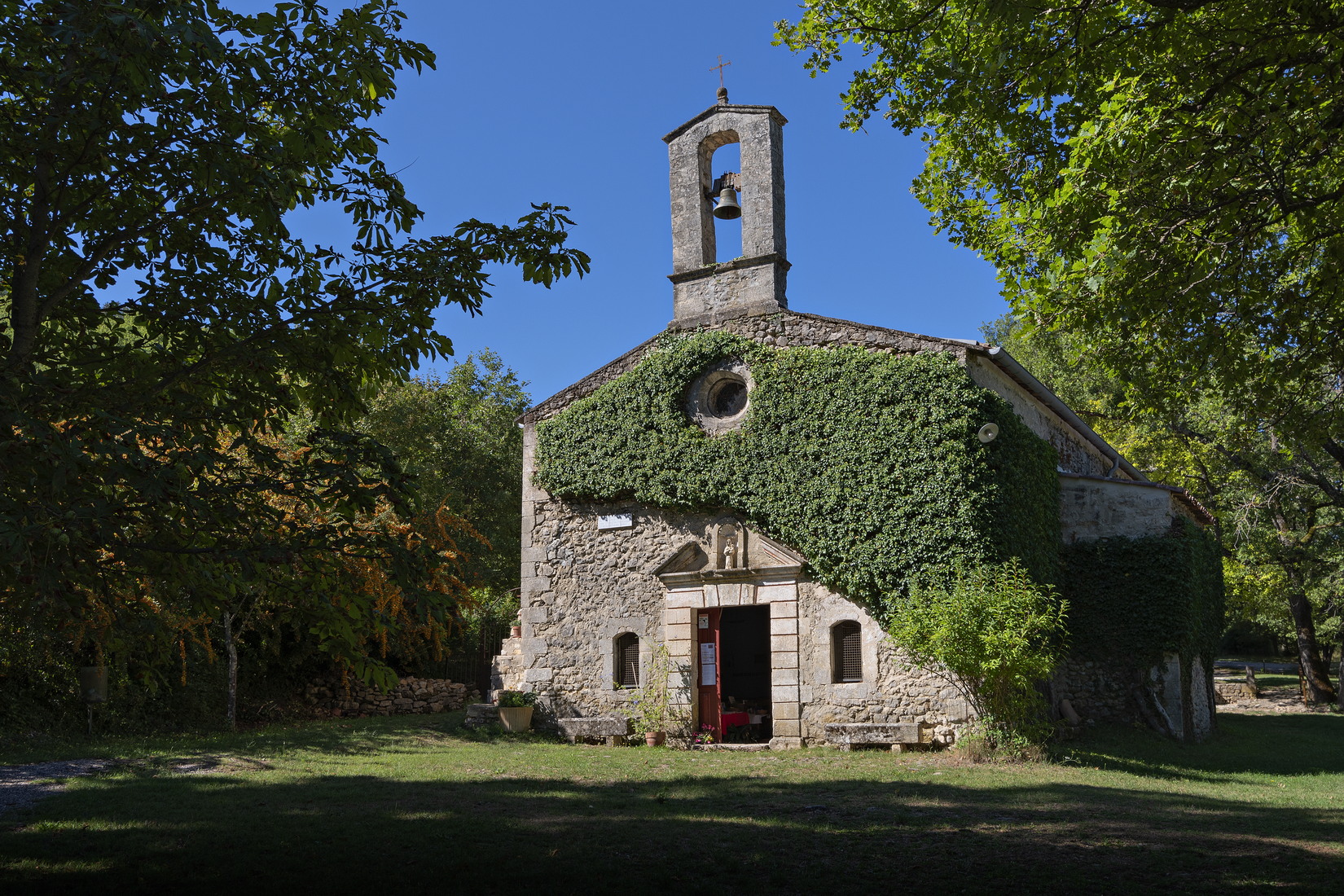
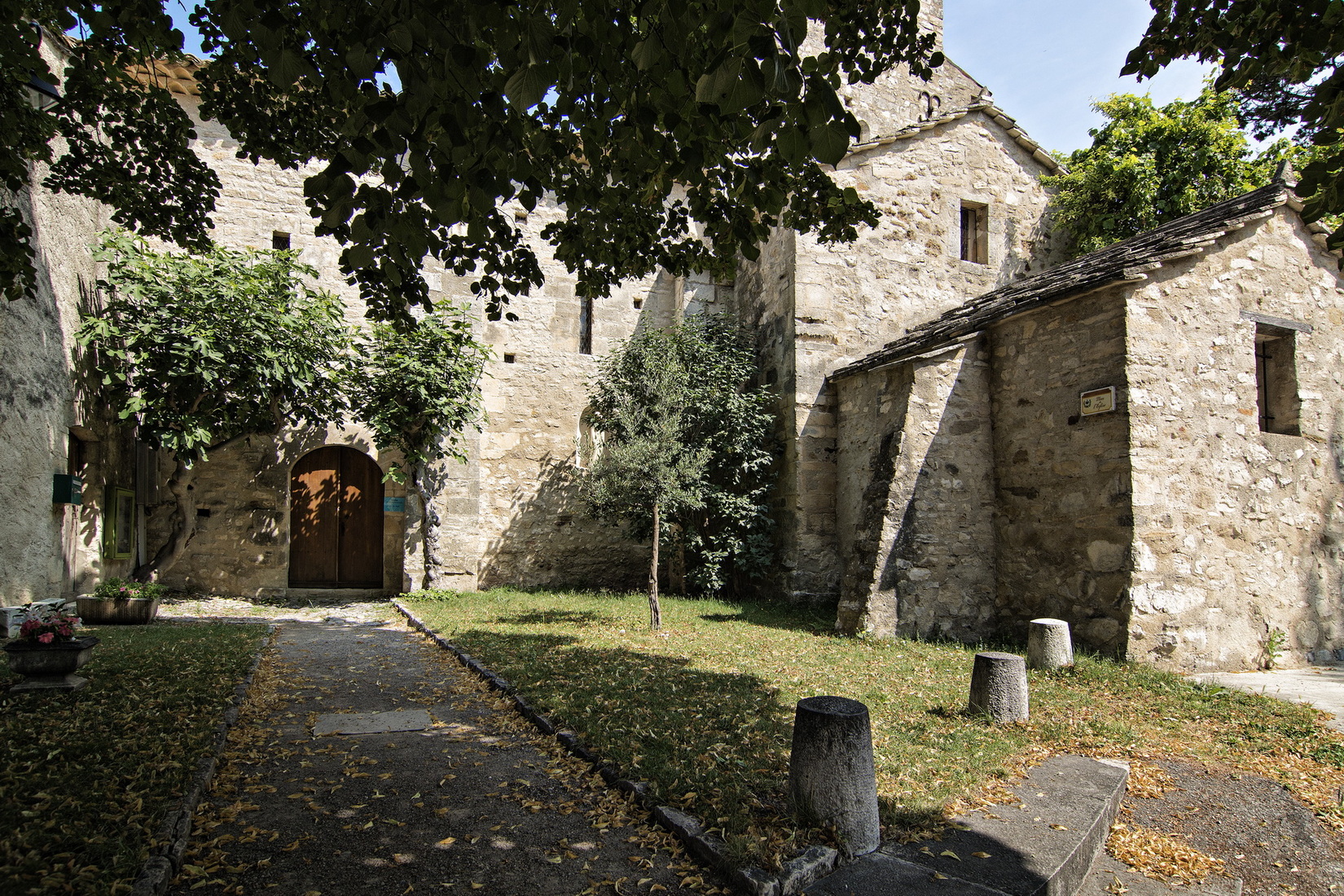
The Church of Saint-Martin, located in the village of Saint-Martin-les-Eaux, is an iconic historic monument from the early 12th century and a former priory of Carluc.
This church stands out for its distinctive architecture, particularly its nave with two groin-vaulted bays, later replaced by a barrel vault, leading to a uniquely pentagonal exterior apse.
Listed as a historic monument, the church narrowly escaped ruin in 1965 before being masterfully restored by Jean-Marie Léouffre, whose work earned second prize in France’s endangered heritage competition. The church has regained its original splendor and been reopened for worship.
One of the church’s most remarkable features is the second northern pilaster, adorned with archaic stone carvings from the second half of the 11th century—classified historic objects that bear witness to the site’s ancient heritage.
The Village Castles
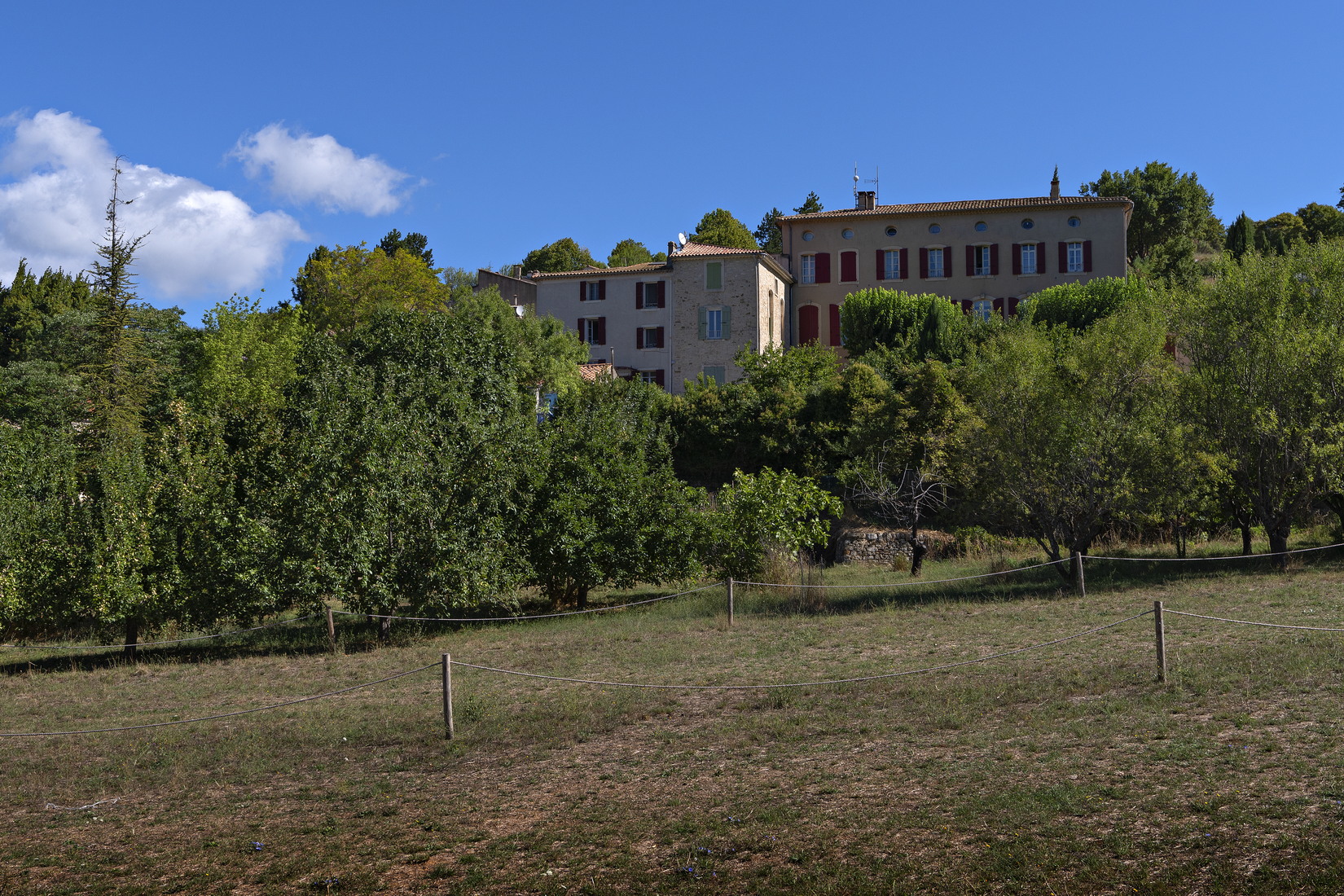
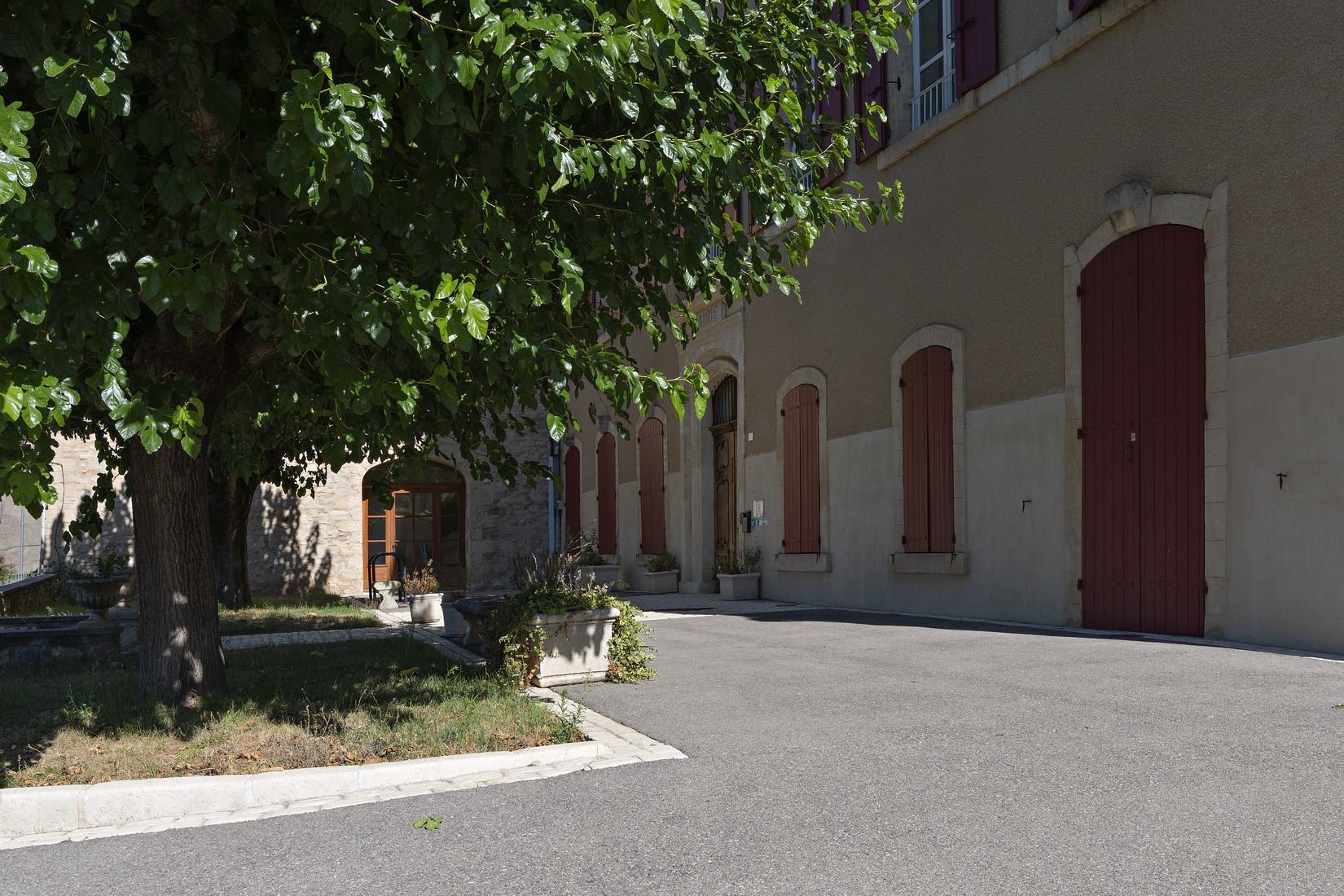
In the heart of Saint-Martin-les-Eaux stands an imposing medieval castle that has undergone several transformations over the centuries, particularly in the 19th century. Today, this historic monument has been beautifully repurposed as the town hall, embodying the commune’s living heritage.
But this isn’t the only castle worth discovering in the area. Saint-Martin-les-Eaux is also home to other architectural treasures, including the Château d’Herbès, Château de Pochetty, and Château de Saint-Jean.
These unique buildings contribute to the village’s picturesque beauty and authentic Provençal charm.
The Open-Air Theater
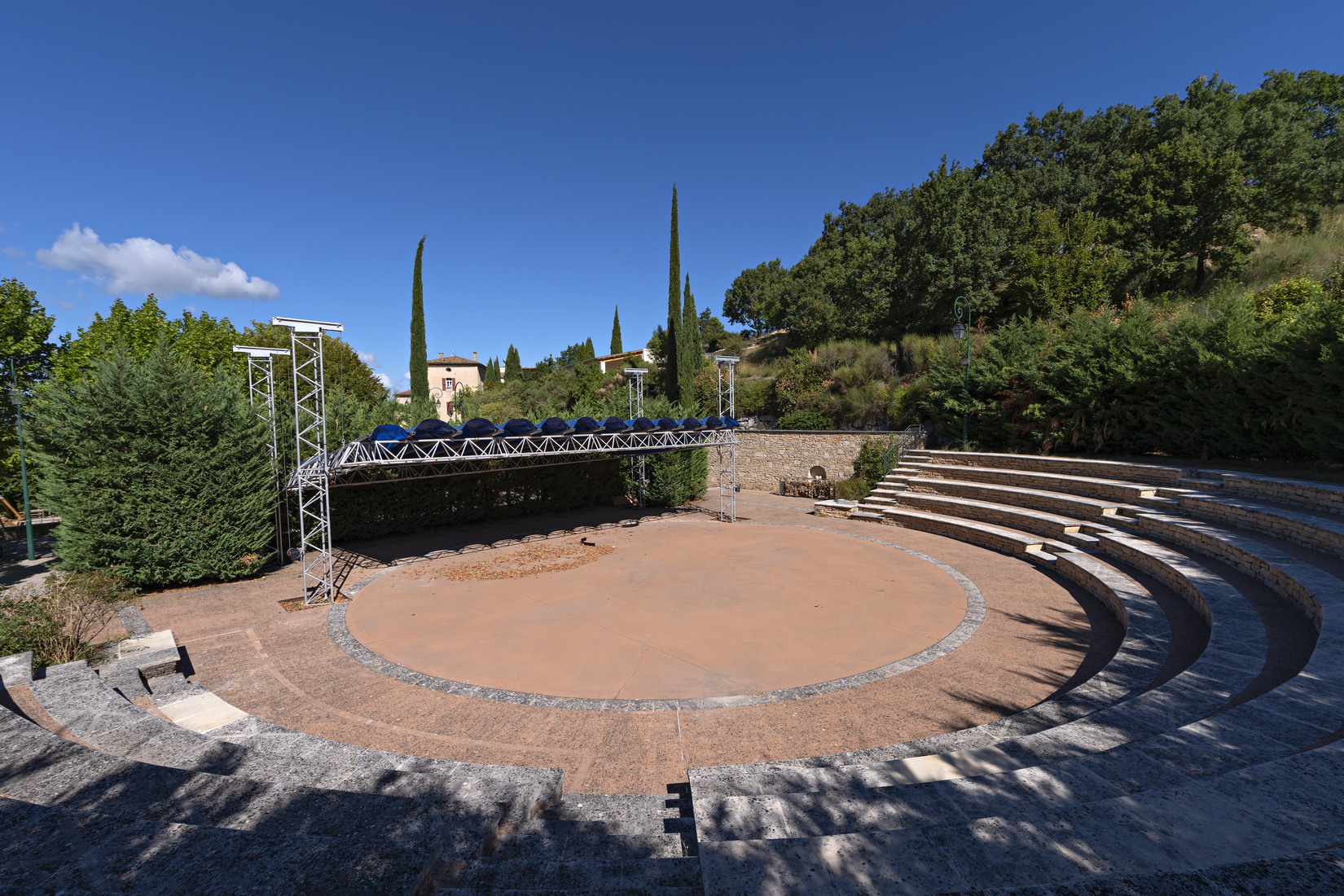
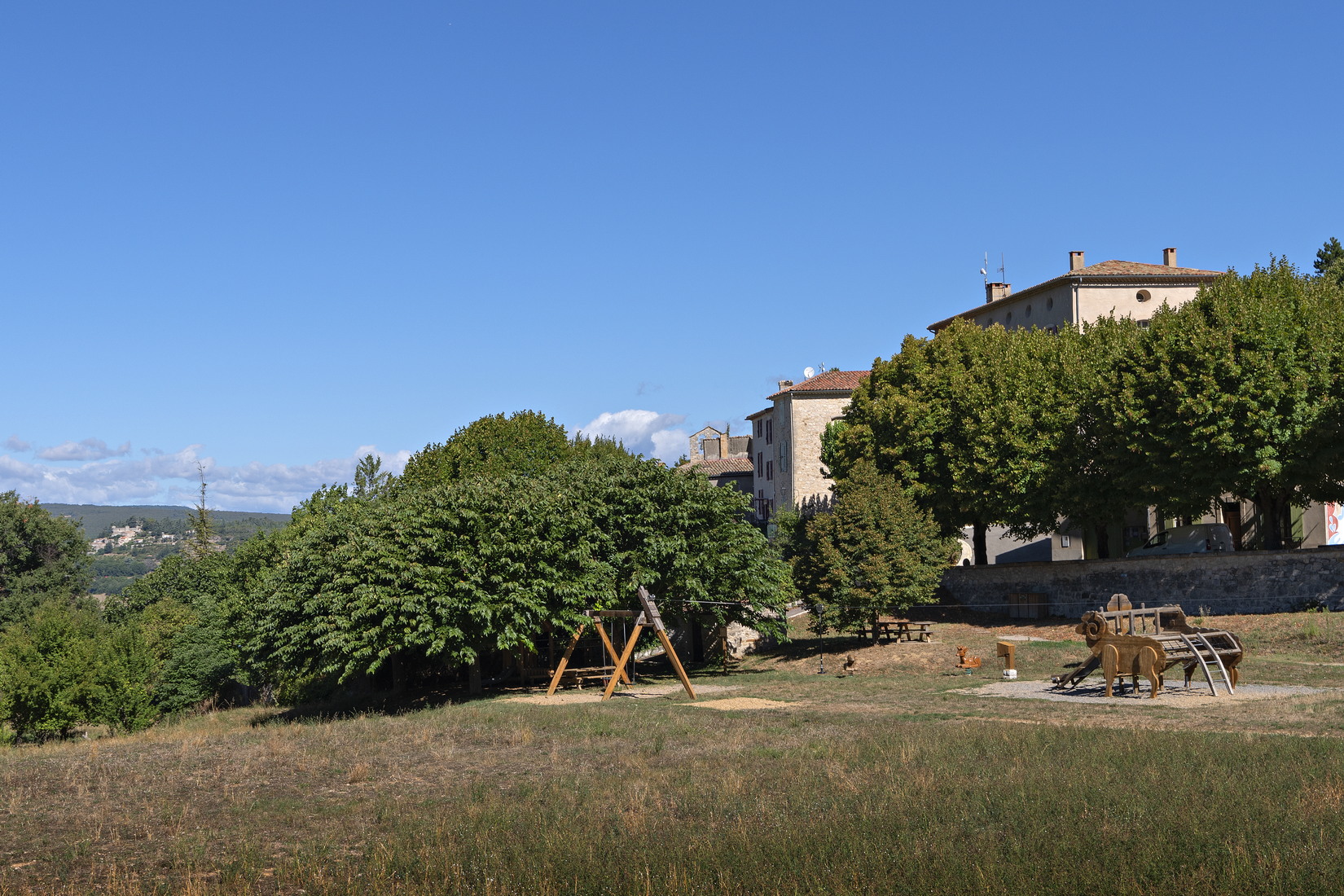
Nestled in a lush green setting, the Open-Air Theater has been a source of local pride since it was developed in 1999 by the Haute Provence local authority.
This majestic venue, equipped with a professional stage and high-quality technical equipment, offers optimal conditions for performances and meets the highest safety standards. Over the years, it has established itself as an essential cultural venue, hosting a diverse array of artistic events.
From the International Luberon Festival to jazz and rock festivals, theatrical performances, and dance shows, the Open-Air Theater embodies the cultural richness of this enchanting Provençal region.
The Sulfurous Spring Heritage
The village’s current name refers to the sulfurous springs that bubble up from its territory. These therapeutic waters were exploited from 1884 to 1942 to treat skin and bronchial conditions.
Commercial exploitation was authorized in 1884, and the waters were marketed under various names: Eau de Renacas (1903), Eau du Château, and later Huguette (from 1933). Gustave Arnoux, the establishment’s owner, built five shower rooms, a boiler, and a refreshment stand. The cold sulfurous water from the Huguette spring, with a flow rate of approximately 12 liters per minute, was piped in and heated to supply the therapeutic showers.
After about twenty years of basic operations, the authorization was not renewed, and activity ceased definitively on May 6, 1942. Though the spa facilities have long since closed, the tradition lives on—locals still come to draw water from the Huguette spring, just as they have for generations.

outdoor
activities
Cylcing routes
crafts
altitude
area
Accueil » Authentic Haute-Provence – Saint-Martin-Les-Eaux
our villages :
saint-martin les eaux
Saint-Martin-les-Eaux boasts a remarkably long history, with human settlement dating back to the Neolithic period—as far back as the 5th millennium BC.
In antiquity, the territory was inhabited by the Sogiontii people, who were federated with the Vocontii. Following the Roman conquest, they were incorporated into the Roman province of Narbonensis. Evidence of a thriving Gallo-Roman community has been uncovered, including a potter’s kiln and the Passaïres site (a pottery workshop producing wine amphorae), which straddles the commune of Manosque. This site demonstrates that wine production was significant in the region, and that the Manosque area, thanks to its proximity to the Via Domitia, was deeply integrated into the Roman Empire and thoroughly permeated by its way of life.
During the Middle Ages, the territory briefly passed under Italian control before returning to Gaul under the Ostrogothic regent Amalasuntha. A castle mound was built at the site known as Le Castelas, and from the 12th century onward, the territory became part of the County of Forcalquier. Through feudal succession, the Laincel family acquired the fief, while the Renacas area came under the control of Guillaume de Sabran.
In 1892, the commune changed its name from Saint-Martin-de-Renacas to Saint-Martin-les-Eaux (“les-Eaux” meaning “the Waters”).
The 19th century brought new economic activities: gypsum and lignite mining, and in 1880, the development of the sulfurous spring for therapeutic purposes.
what to see
Church of Saint-Martin
The Church of Saint-Martin, located in the village of Saint-Martin-les-Eaux, is an iconic historic monument from the early 12th century and a former priory of Carluc.
This church stands out for its distinctive architecture, particularly its nave with two groin-vaulted bays, later replaced by a barrel vault, leading to a uniquely pentagonal exterior apse.
Listed as a historic monument, the church narrowly escaped ruin in 1965 before being masterfully restored by Jean-Marie Léouffre, whose work earned second prize in France’s endangered heritage competition. The church has regained its original splendor and been reopened for worship.
One of the church’s most remarkable features is the second northern pilaster, adorned with archaic stone carvings from the second half of the 11th century—classified historic objects that bear witness to the site’s ancient heritage.
The Village Castles
In the heart of Saint-Martin-les-Eaux stands an imposing medieval castle that has undergone several transformations over the centuries, particularly in the 19th century. Today, this historic monument has been beautifully repurposed as the town hall, embodying the commune’s living heritage.
But this isn’t the only castle worth discovering in the area. Saint-Martin-les-Eaux is also home to other architectural treasures, including the Château d’Herbès, Château de Pochetty, and Château de Saint-Jean.
These unique buildings contribute to the village’s picturesque beauty and authentic Provençal charm.
The Open-Air Theater
Nestled in a lush green setting, the Open-Air Theater has been a source of local pride since it was developed in 1999 by the Haute Provence local authority.
This majestic venue, equipped with a professional stage and high-quality technical equipment, offers optimal conditions for performances and meets the highest safety standards. Over the years, it has established itself as an essential cultural venue, hosting a diverse array of artistic events.
From the International Luberon Festival to jazz and rock festivals, theatrical performances, and dance shows, the Open-Air Theater embodies the cultural richness of this enchanting Provençal region.
The Sulfurous Spring Heritage
The village’s current name refers to the sulfurous springs that bubble up from its territory. These therapeutic waters were exploited from 1884 to 1942 to treat skin and bronchial conditions.
Commercial exploitation was authorized in 1884, and the waters were marketed under various names: Eau de Renacas (1903), Eau du Château, and later Huguette (from 1933). Gustave Arnoux, the establishment’s owner, built five shower rooms, a boiler, and a refreshment stand. The cold sulfurous water from the Huguette spring, with a flow rate of approximately 12 liters per minute, was piped in and heated to supply the therapeutic showers.
After about twenty years of basic operations, the authorization was not renewed, and activity ceased definitively on May 6, 1942. Though the spa facilities have long since closed, the tradition lives on—locals still come to draw water from the Huguette spring, just as they have for generations.
