



Accueil » Authentic Haute-Provence – Banon
our villages :
banon

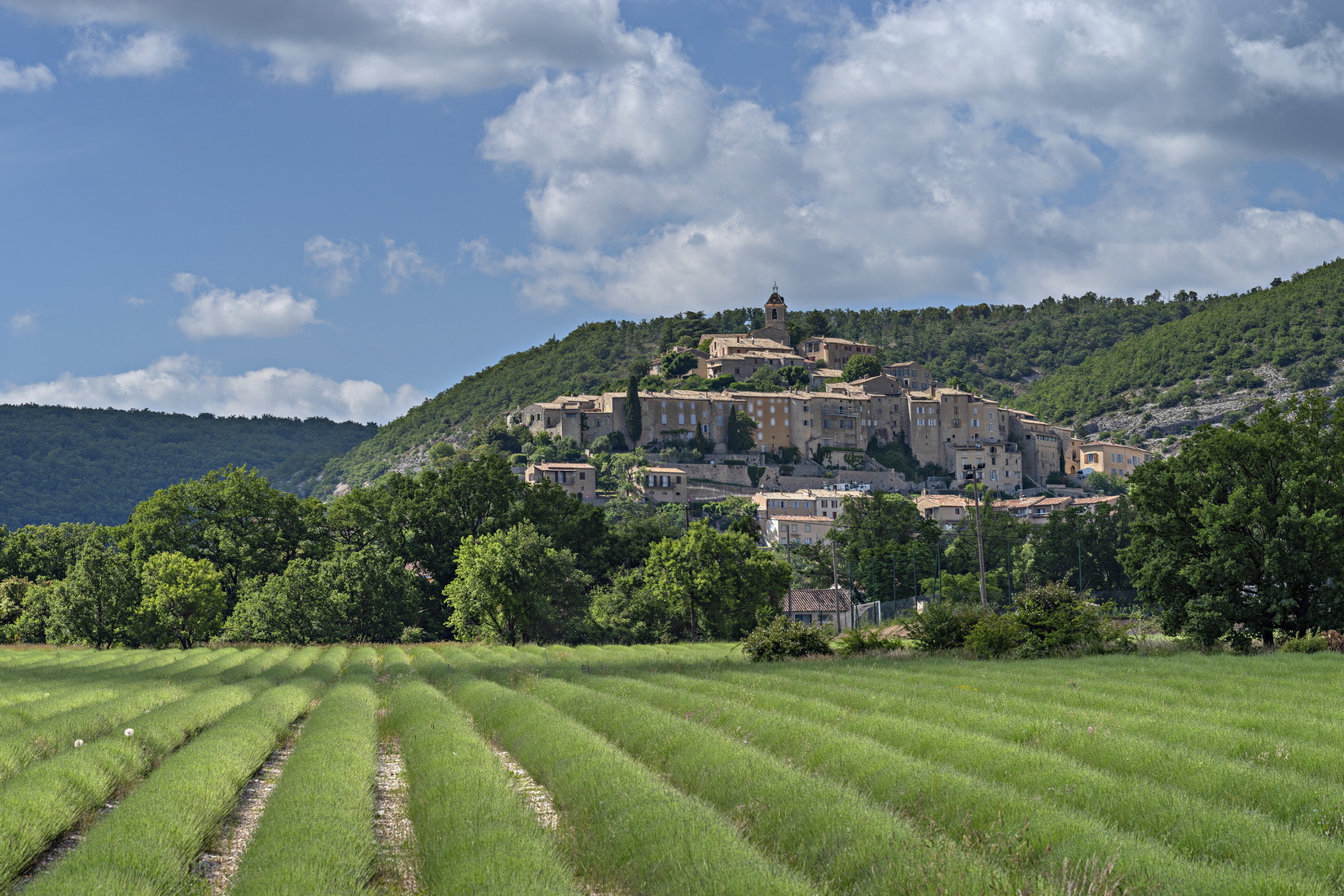
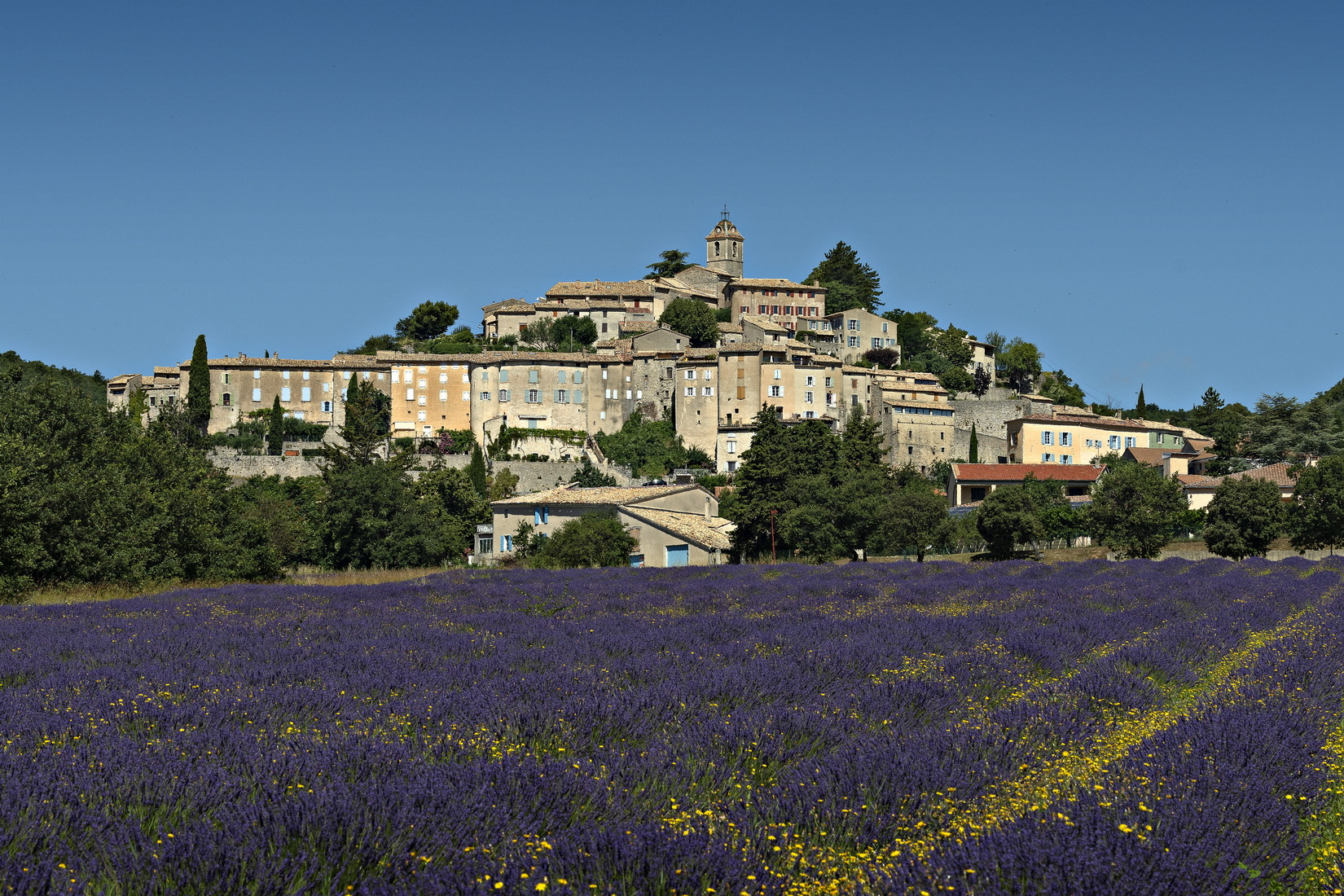
A charming hilltop village steeped in history, Banon is renowned for its Provençal landscapes, iconic bookstore, and the world-famous goat cheese that shares its name.
Banon’s history traces back to the Roman era, when the region was first inhabited. Perched on a hill, the village was originally a fortified site during the Middle Ages, marked by regional conflicts, especially during the Wars of Religion.
Antiquity: Archaeological remains reveal that Banon’s region was inhabited as early as the Roman period.
Medieval Period: The village grew around a castle, of which only fragmentary traces survive. During this time, the city was fortified by defensive walls.
Modern Era: Banon flourished through agriculture, particularly lavender cultivation and cereal production.


what to see
With sweeping lavender fields as its backdrop, Banon reveals a remarkable architectural landscape.
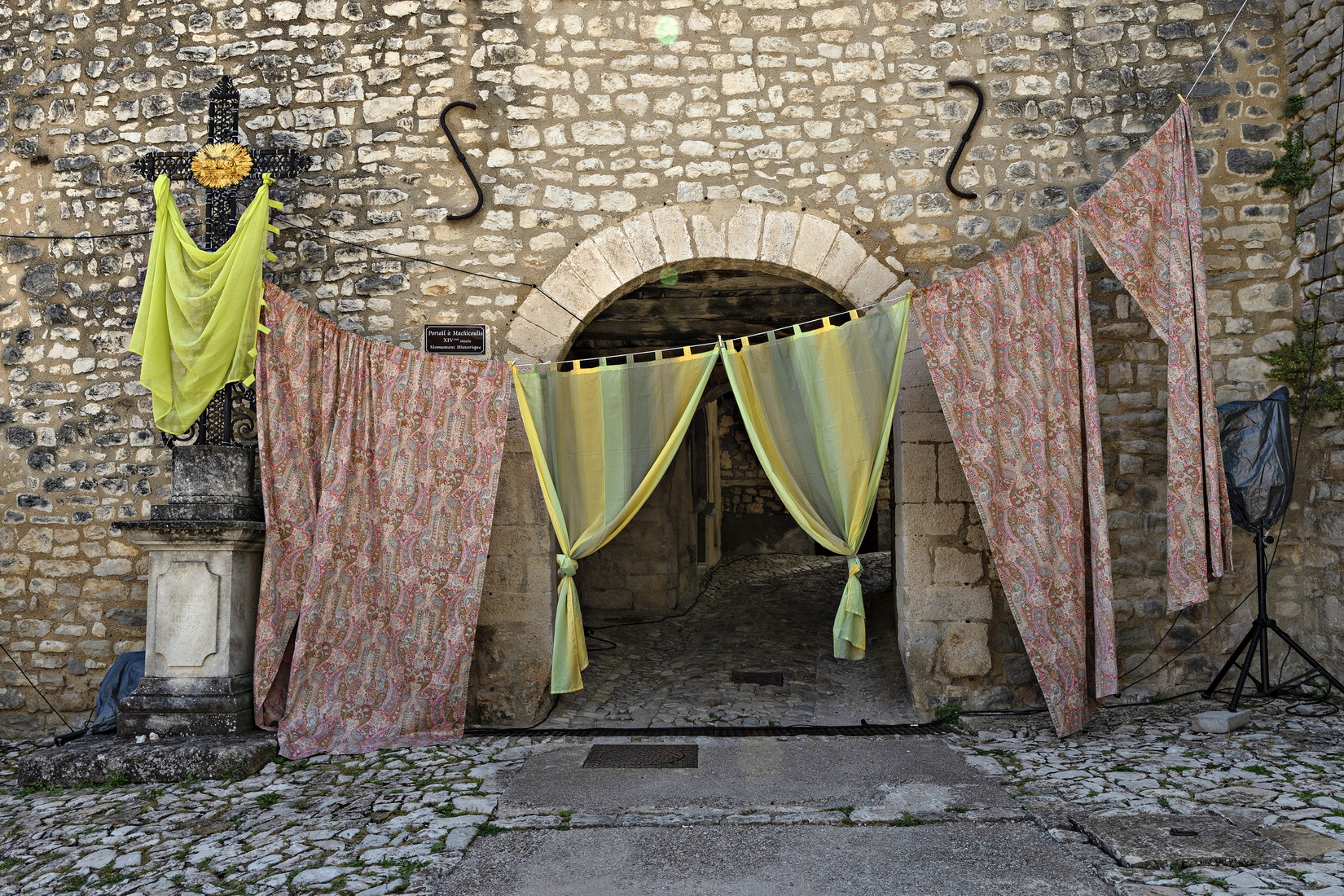
Perched atop the borough, the medieval village is defined by the remnants of ancient castle ramparts. A 14th-century machicoulis portal (a defensive gateway with stone-dropping openings) serves as its principal pedestrian entrance—a gateway to history.
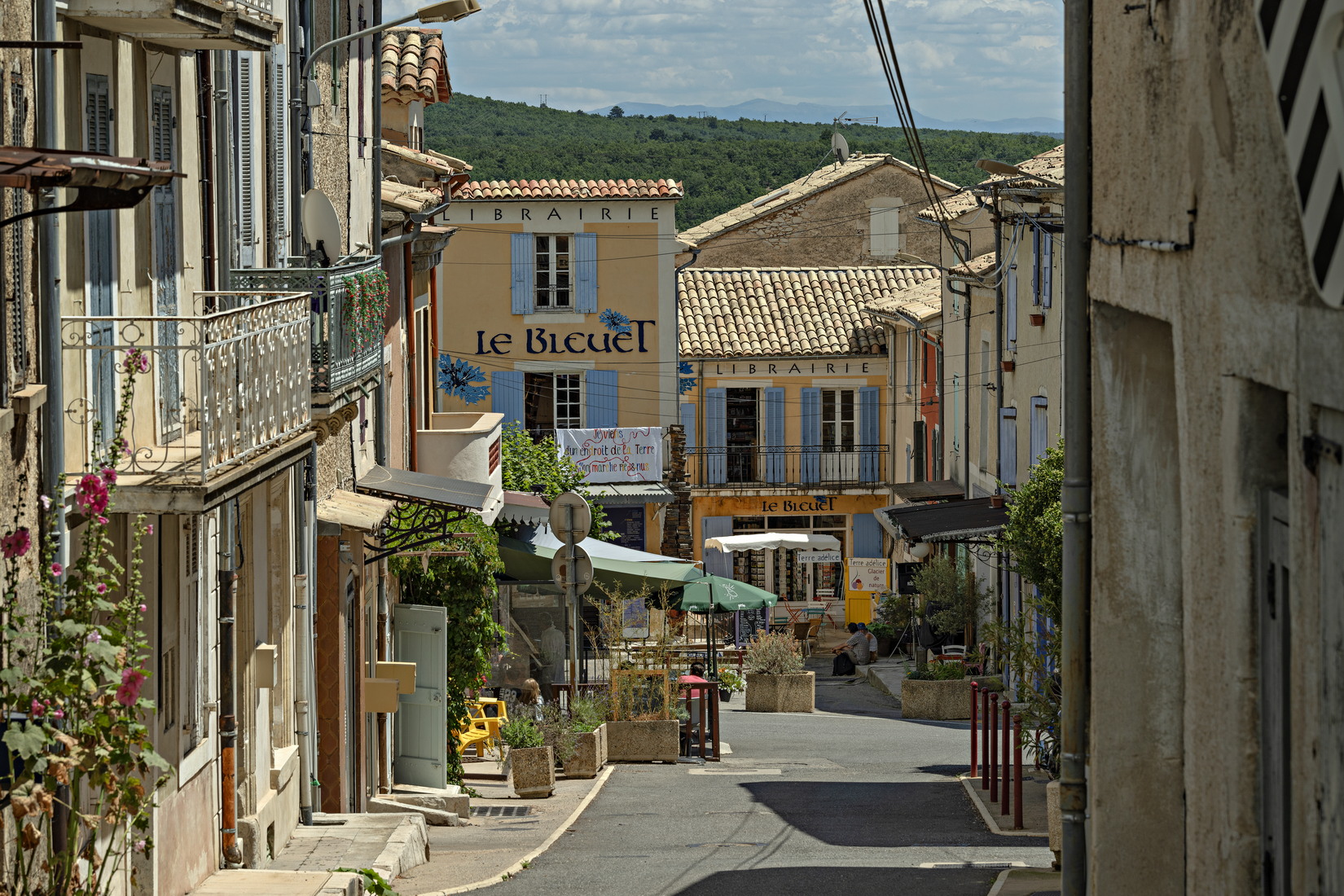
Stone houses and vaulted passages create a mesmerizing journey through time. Cobblestone streets and beautifully preserved period doorways whisper stories of medieval life. Here and there, façades of old merchant shops stand as silent witnesses to centuries past.
The remaining ramparts—a stunning section preserved between the square tower and portal—once stretched 800 meters in circumference, standing 10 meters high and 1 meter thick. The houses of Rue des Arcades are built directly upon these historic walls. In one such house, J.F. Palhier, a revolutionary deputy to the “Council of Five Hundred”, once sheltered Robespierre the Younger and Ricord during their daring escape in August 1793.
At the village’s pinnacle, near the former Hôtel Dieu and beside Saint Just church, a 12th-century castle once belonged to the Simiane, lords of Banon. Today, only memories remain where stone walls once stood.
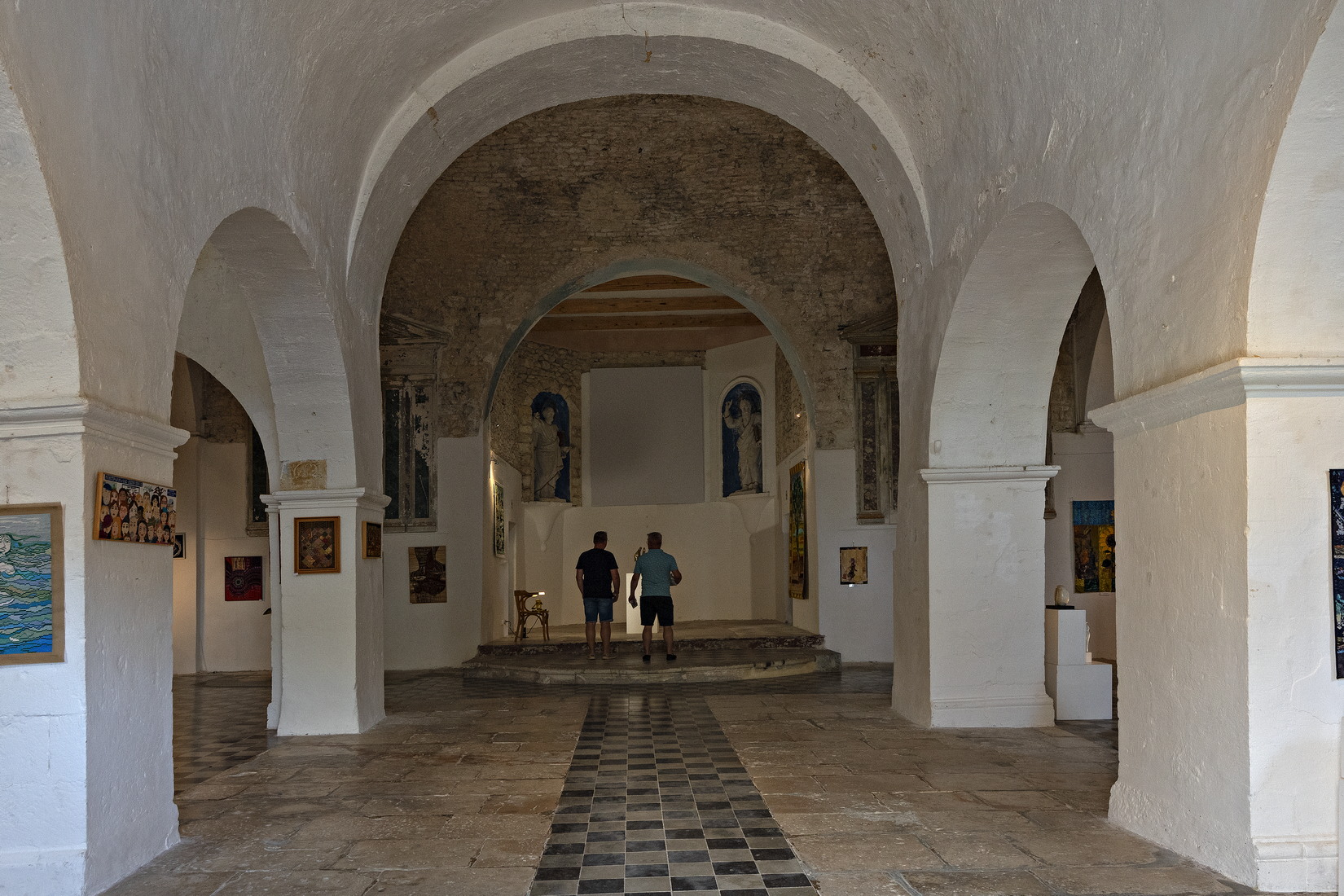
Church of Saint-Marc (Saint-Just or Upper Church): Built in the 12th century (1652) and extensively modified over the centuries, this church stands as a quintessential example of Provençal Romanesque architecture.
Now deconsecrated, it has been transformed into a vibrant cultural venue, hosting exhibitions and concerts throughout the summer season from April to September. Today, it is mainly known as the Upper Church.
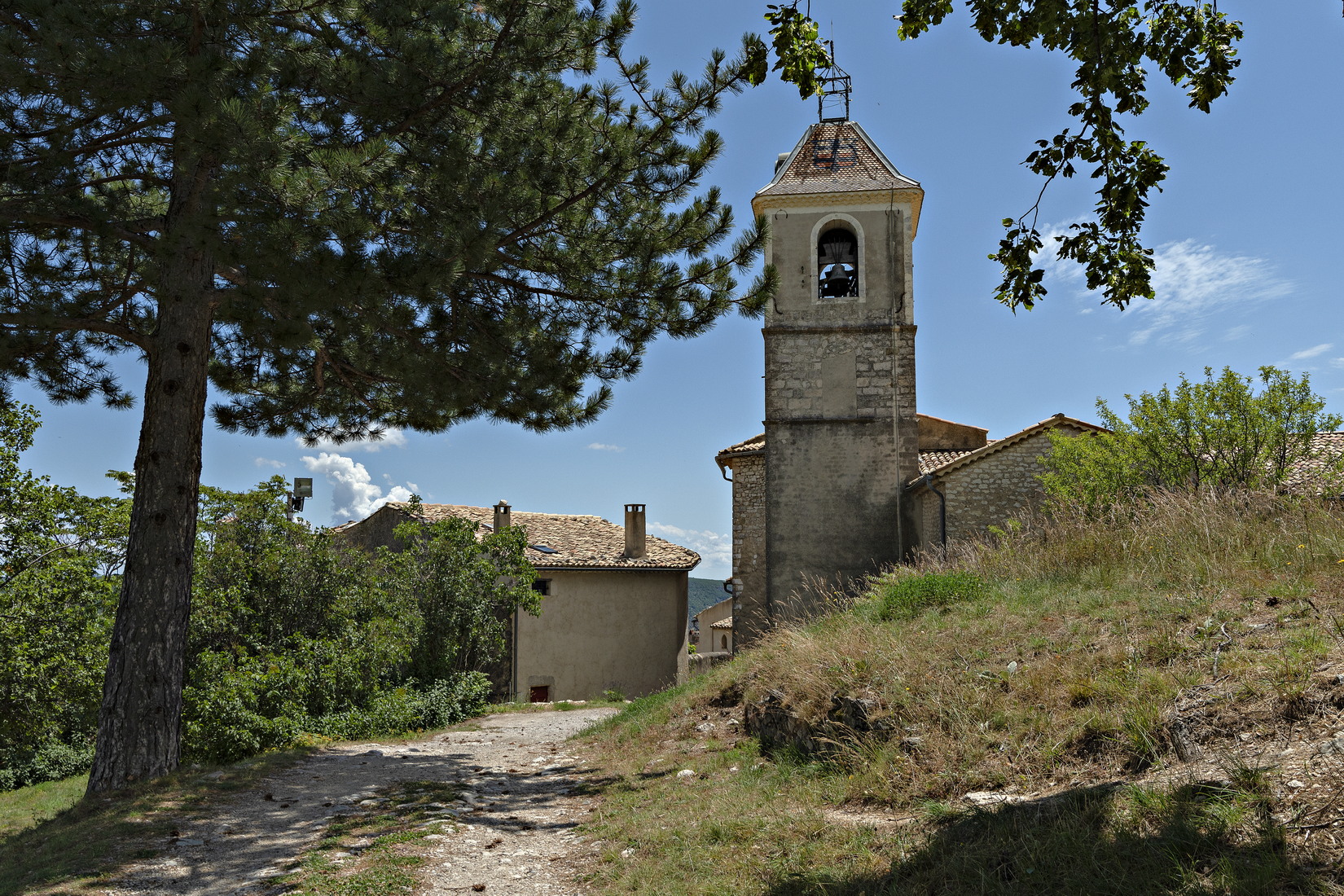
Chuch of Notre-Dame de l’Assomption (Lower Church): The active parish church, constructed between 1909 and 1911. Its original vault collapsed in 1950 and was replaced by a ceiling. A small bell tower crowns the building.
**A spectacular Christmas Nativity Scene transforms the church each year from mid-December to late January (open exclusively on January weekends). This extraordinary display is one of Provence’s most beautiful and beloved seasonal attractions, drawing over ten thousand visitors annually. Television crews frequently arrive to film the meticulously arranged santons (traditional Provençal clay figurines), lovingly arranged by a passionate group of local villagers within a breathtaking setting. Spanning 80 square meters and rising 4 meters high, the Banon nativity is thoughtfully designed in a square layout, inviting visitors to explore its intricate details from every angle.
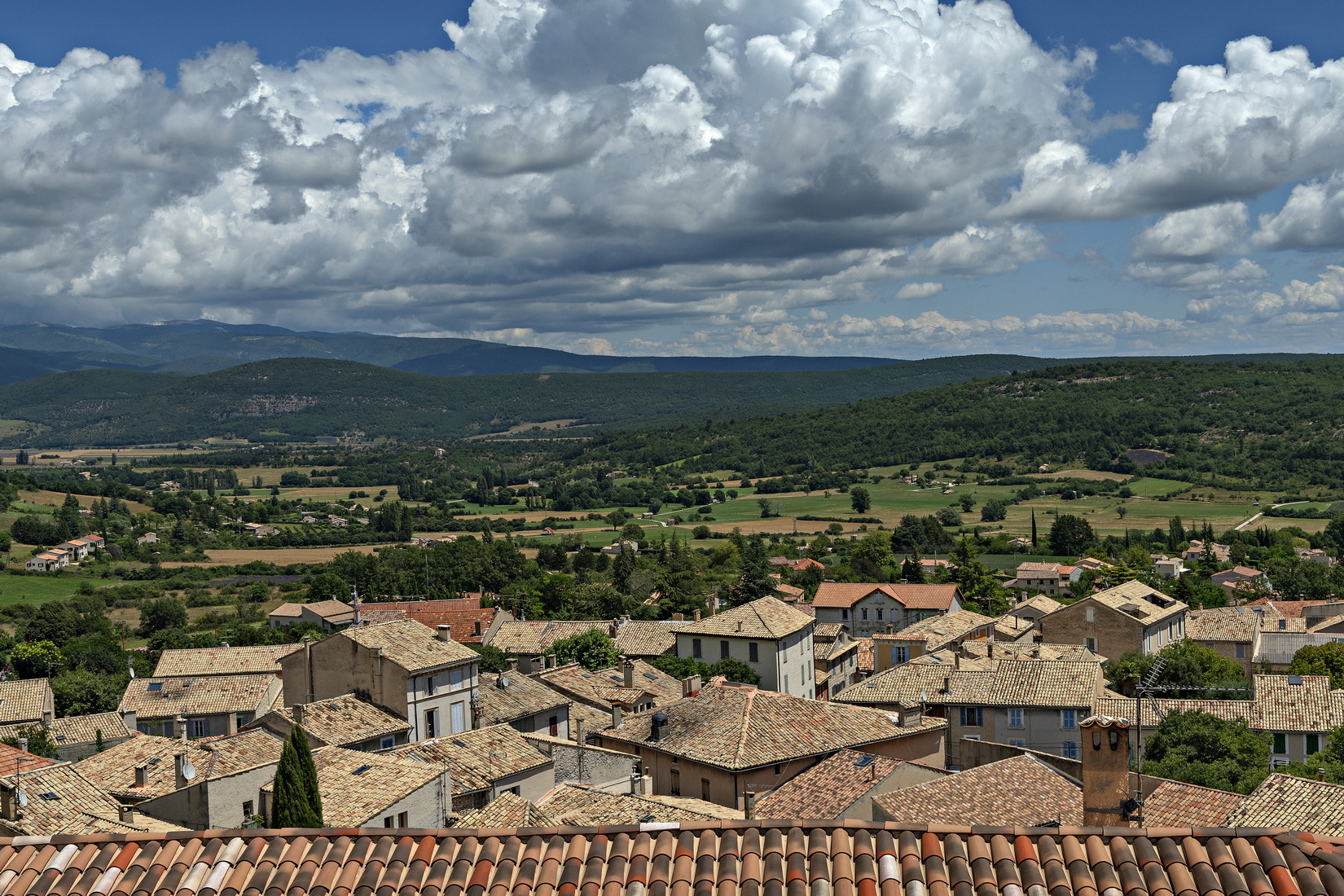
Chapel of Notre-Dame des Anges: Dating back to the 13th century, this charming chapel commands a breathtaking view over the valley, sweeping across the village and its lavender fields. A network of beautiful hiking trails winds around the site, inviting visitors to explore the surrounding landscape. Each year on August 15th, the Assumption of Mary is celebrated here, continuing a centuries-old tradition.
Le Bleuet Bookstore: Banon is also renowned for its remarkable independent bookstore, “Le Bleuet”, which stands as one of the largest rural bookstores in France.
Banon Cheese: One of the village’s greatest gastronomic treasures, this exceptional goat cheese is wrapped in chestnut leaves and protected by an AOP (Appellation d’Origine Protégée). It is renowned worldwide.
**This cherished cheese has become a symbol of local culinary heritage. Each year, a magnificent festival celebrates this beloved cheese on the third Sunday of May, attracting over 10,000 people.
Notable Figures Connected to the Village
Though neither was born here, both Jean Giono and Pierre Magnan shared a profound love for Banon, and the village became a wellspring of inspiration for their writing.
Jean Giono, one of France’s most celebrated 20th-century writers, would seek out shepherds, farmers, and peddlers, carefully collecting their tales and transforming them through his vivid imagination. In Banon—a village both authentic and deceptively simple—he discovered the perfect landscape for his novelistic characters, capturing a world where nature emerges as a powerful, uncompromising force with which humans must learn to coexist.
Pierre Magnan, a novelist from nearby Manosque, fell equally under Banon’s spell and paid tribute to the village by setting one of his detective novels here: Le Commissaire dans la truffière (The Commissioner in the Truffle Field).

Outdoor
activities
Cycling routes
Mountain Biking
Paragliding
crafts
altitude
area
Accueil » Authentic Haute-Provence – Banon
our villages :
banon
A charming hilltop village steeped in history, Banon is renowned for its Provençal landscapes, iconic bookstore, and the world-famous goat cheese that shares its name.
Banon’s history traces back to the Roman era, when the region was first inhabited. Perched on a hill, the village was originally a fortified site during the Middle Ages, marked by regional conflicts, especially during the Wars of Religion.
Antiquity: Archaeological remains reveal that Banon’s region was inhabited as early as the Roman period.
Medieval Period: The village grew around a castle, of which only fragmentary traces survive. During this time, the city was fortified by defensive walls.
Modern Era: Banon flourished through agriculture, particularly lavender cultivation and cereal production.
what to see
With sweeping lavender fields as its backdrop, Banon reveals a remarkable architectural landscape.
Perched atop the borough, the medieval village is defined by the remnants of ancient castle ramparts. A 14th-century machicoulis portal (a defensive gateway with stone-dropping openings) serves as its principal pedestrian entrance—a gateway to history.
Stone houses and vaulted passages create a mesmerizing journey through time. Cobblestone streets and beautifully preserved period doorways whisper stories of medieval life. Here and there, façades of old merchant shops stand as silent witnesses to centuries past.
The remaining ramparts—a stunning section preserved between the square tower and portal—once stretched 800 meters in circumference, standing 10 meters high and 1 meter thick. The houses of Rue des Arcades are built directly upon these historic walls. In one such house, J.F. Palhier, a revolutionary deputy to the “Council of Five Hundred”, once sheltered Robespierre the Younger and Ricord during their daring escape in August 1793.
At the village’s pinnacle, near the former Hôtel Dieu and beside Saint Just church, a 12th-century castle once belonged to the Simiane, lords of Banon. Today, only memories remain where stone walls once stood.
Church of Saint-Marc (Saint-Just or Upper Church): Built in the 12th century (1652) and extensively modified over the centuries, this church stands as a quintessential example of Provençal Romanesque architecture.
Now deconsecrated, it has been transformed into a vibrant cultural venue, hosting exhibitions and concerts throughout the summer season from April to September. Today, it is mainly known as the Upper Church.
Chuch of Notre-Dame de l’Assomption (Lower Church): The active parish church, constructed between 1909 and 1911. Its original vault collapsed in 1950 and was replaced by a ceiling. A small bell tower crowns the building.
**A spectacular Christmas Nativity Scene transforms the church each year from mid-December to late January (open exclusively on January weekends). This extraordinary display is one of Provence’s most beautiful and beloved seasonal attractions, drawing over ten thousand visitors annually. Television crews frequently arrive to film the meticulously arranged santons (traditional Provençal clay figurines), lovingly arranged by a passionate group of local villagers within a breathtaking setting. Spanning 80 square meters and rising 4 meters high, the Banon nativity is thoughtfully designed in a square layout, inviting visitors to explore its intricate details from every angle.
Chapel of Notre-Dame des Anges: Dating back to the 13th century, this charming chapel commands a breathtaking view over the valley, sweeping across the village and its lavender fields. A network of beautiful hiking trails winds around the site, inviting visitors to explore the surrounding landscape. Each year on August 15th, the Assumption of Mary is celebrated here, continuing a centuries-old tradition.
Le Bleuet Bookstore: Banon is also renowned for its remarkable independent bookstore, “Le Bleuet”, which stands as one of the largest rural bookstores in France.
Banon Cheese: One of the village’s greatest gastronomic treasures, this exceptional goat cheese is wrapped in chestnut leaves and protected by an AOP (Appellation d’Origine Protégée). It is renowned worldwide.
**This cherished cheese has become a symbol of local culinary heritage. Each year, a magnificent festival celebrates this beloved cheese on the third Sunday of May, attracting over 10,000 people.
Notable Figures Connected to the Village
Though neither was born here, both Jean Giono and Pierre Magnan shared a profound love for Banon, and the village became a wellspring of inspiration for their writing.
Jean Giono, one of France’s most celebrated 20th-century writers, would seek out shepherds, farmers, and peddlers, carefully collecting their tales and transforming them through his vivid imagination. In Banon—a village both authentic and deceptively simple—he discovered the perfect landscape for his novelistic characters, capturing a world where nature emerges as a powerful, uncompromising force with which humans must learn to coexist.
Pierre Magnan, a novelist from nearby Manosque, fell equally under Banon’s spell and paid tribute to the village by setting one of his detective novels here: Le Commissaire dans la truffière (The Commissioner in the Truffle Field).
