



Accueil » Authentic Haute-Provence – Reillanne
our villages :
REILLANNE

Reillanne’s history reaches back to prehistoric times. Fossil footprints of Anchitherium, an ancient equine species from approximately 20 million years ago, have been discovered here, proof of animal life long before humans arrived. The Pas d’Ânes (“Donkey Steps”) district takes its name from this discovery.
The name Reillanne is thought to derive from the Provençal reiho (“plowshare”)—an agricultural tool that appears in Reillanne’s coat of arms today.
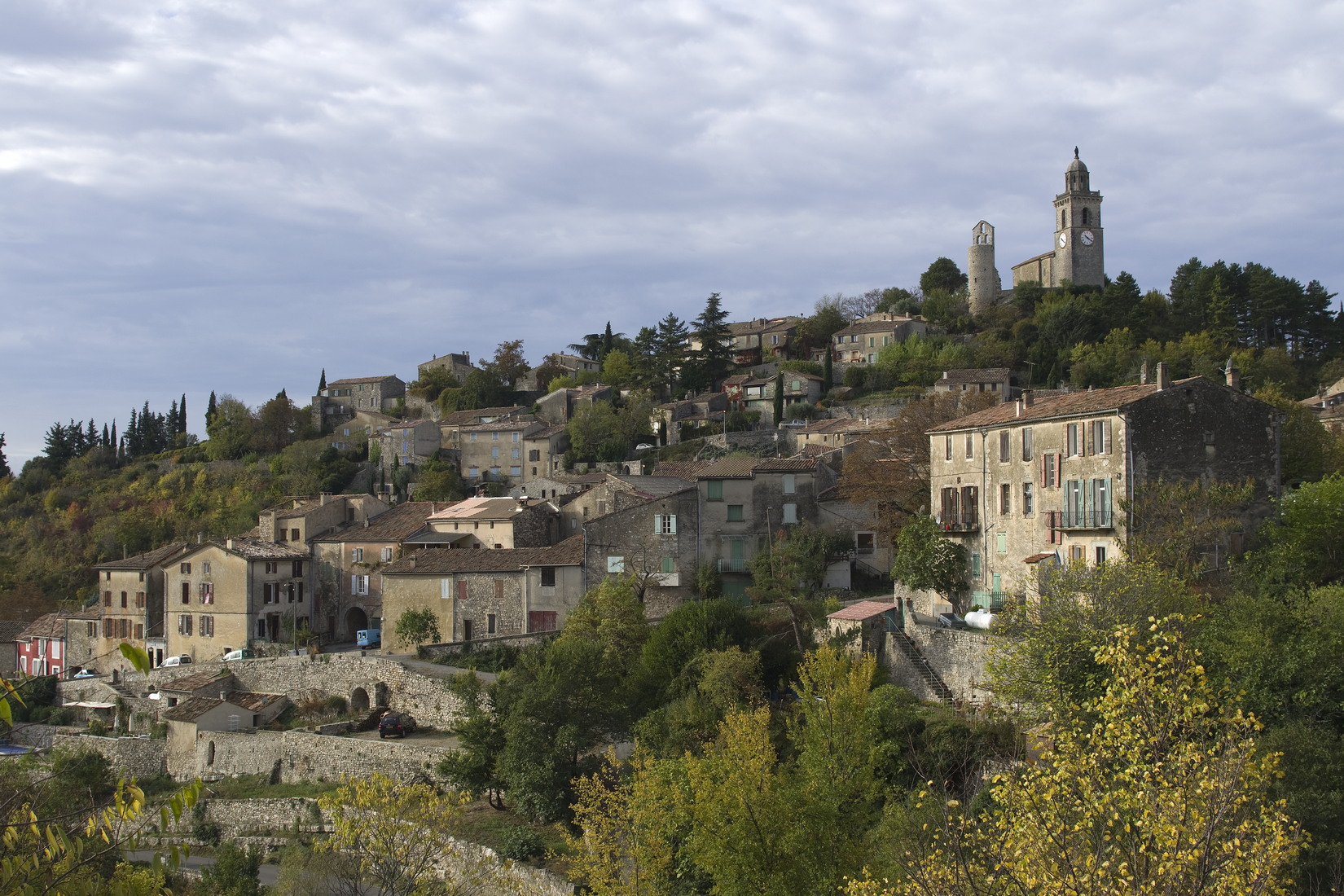
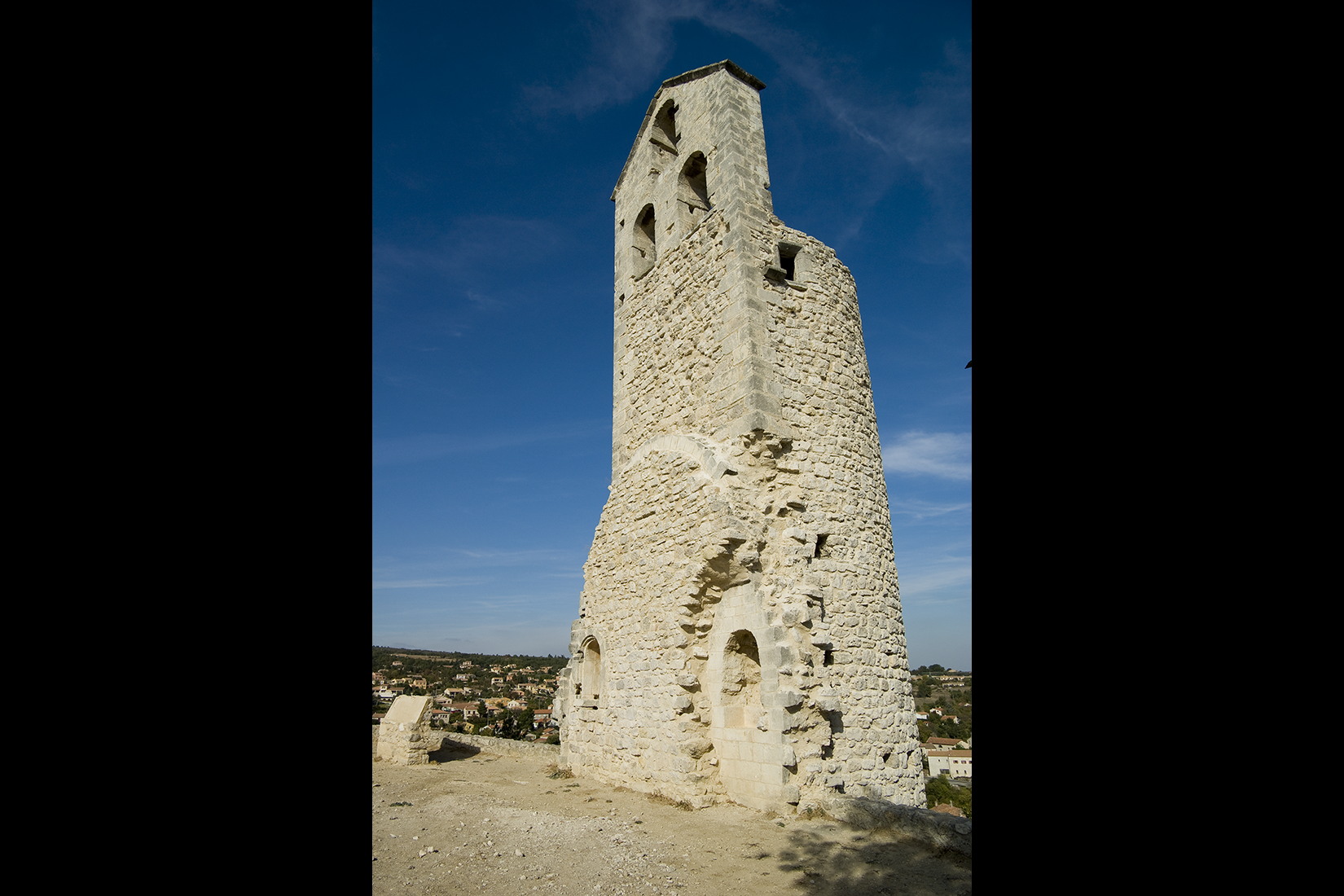
Reillanne is still dominated by one of the towers of the old castle, crowned with a bell tower added in 1889.
The ramparts, punctuated by gateways, stand as silent witnesses to the region’s medieval history. One such structure, the 13th-century Porte Saint-Pierre, is listed as a Historic Monument.
The 12th-century Porte des Forges adds its own historic character to the ramparts. Together, they offer a fascinating glimpse into medieval architecture. Walking through these gates is like stepping back in time.


what to see
The Monumental Fountain
Dominating Reillanne’s main square, the monumental fountain is more than just a work of art—it’s a tangible testament to the ideological struggles that shook France in the 1870s.
Built between 1874 and 1880 amid the transition to the Third Republic, this fountain is notable for its complete absence of republican symbols. Instead, an inscription above the inaugural text subtly alludes to divine action. On the fountain’s reverse, a Provençal saying captures attention: “Que voudra beure bouen, vengue a la boueno fouent” (“Let those who wish to drink well seek out the good source”).
Church of the Assumption
Built between 1100 and 1150, the Church of Notre-Dame-de-l’Assomption, also dedicated to Saint Peter, stands majestically at the heart of Reillanne in the Luberon.
This marvel of medieval architecture was rebuilt after 1558, when its nave—featuring three ribbed vaulted bays—was created. Its distinctive feature lies in its two side aisles, built in the 17th century—quite exceptional for the department.
The Chapels
In the picturesque charm of Reillanne, nestled in the heart of the Luberon, three ancient chapels stand out for their remarkable history and architecture.
The Chapel of Saint-Roch, housed in a former synagogue, features a staircase beautifully decorated with painted gypsum panels. Inside, visitors can admire a stunning Virgin and Child and a Good Shepherd, both dating from the 17th century.
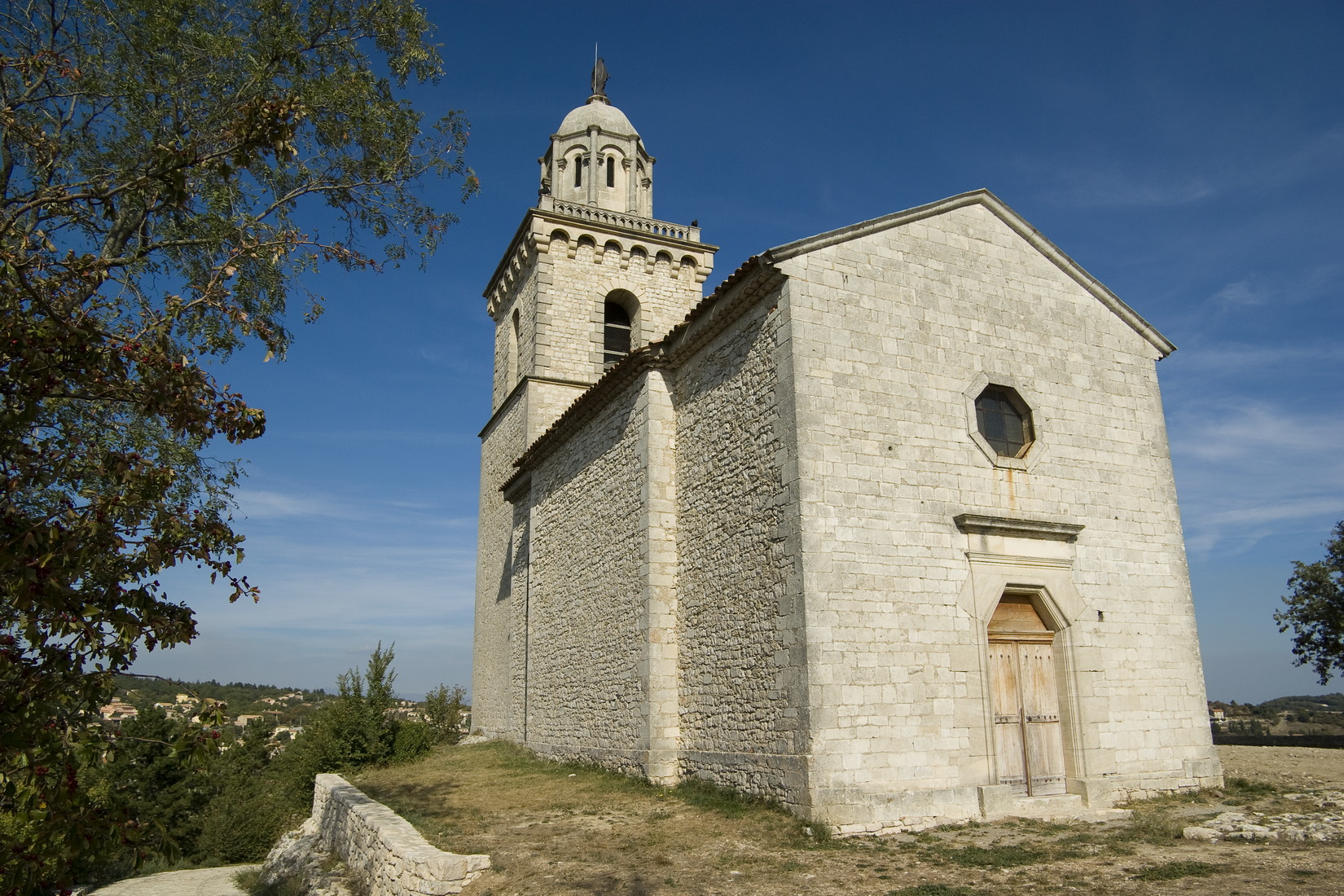
Just steps away stands the Chapel of Saint-Denis des Pénitents Blancs, rebuilt in 1858 in thanksgiving to the Virgin who brought rain in answer to prayers. Its Romanesque bell tower dominates the skyline.
Finally, the Chapel of Notre-Dame-des-Prés, which once served an old monastery, displays a chevet partially dating from the 15th century.
Moulin Delestic
The Moulin Delestic in Reillanne stands as a remarkable testament to the Luberon’s industrial history. This outstanding heritage site, officially listed on May 28, 1993, comprises a complex of buildings, a water reservoir, and canal—all remnants of an old mill.
Rebuilt in 1859 on the ruins of the original mill, Moulin Delestic played an essential role in the local economy until 1955. Even today, it retains its original machinery, including a flint millstone, hoist, a vat for washing and wringing wheat, and the complete bolting system.
The presence of the wooden bucket wheel, despite technical renovations in 1920 and 1936, bears witness to the evolution of milling techniques since the mid-19th century.
Musée des Amis des Arts
Founded in 1972, Reillanne’s village museum, known as the Musée des Amis des Arts, grew from the passion and dedication of volunteers devoted to French history and local heritage.
Established in 1972 at the initiative of Émile and Henriette Lauga, a couple from Reillanne passionate about art and local history, the Amis des Arts association has worked for nearly 50 years to promote all forms of art in Reillanne and surrounding villages. The painter Serge Fiorio served as its first president, and Émile Lauga, followed by his wife Henriette after his death, brought passionate energy to the association. In their honor, the museum was dedicated to them in 2016.
A Stroll Through Reillanne
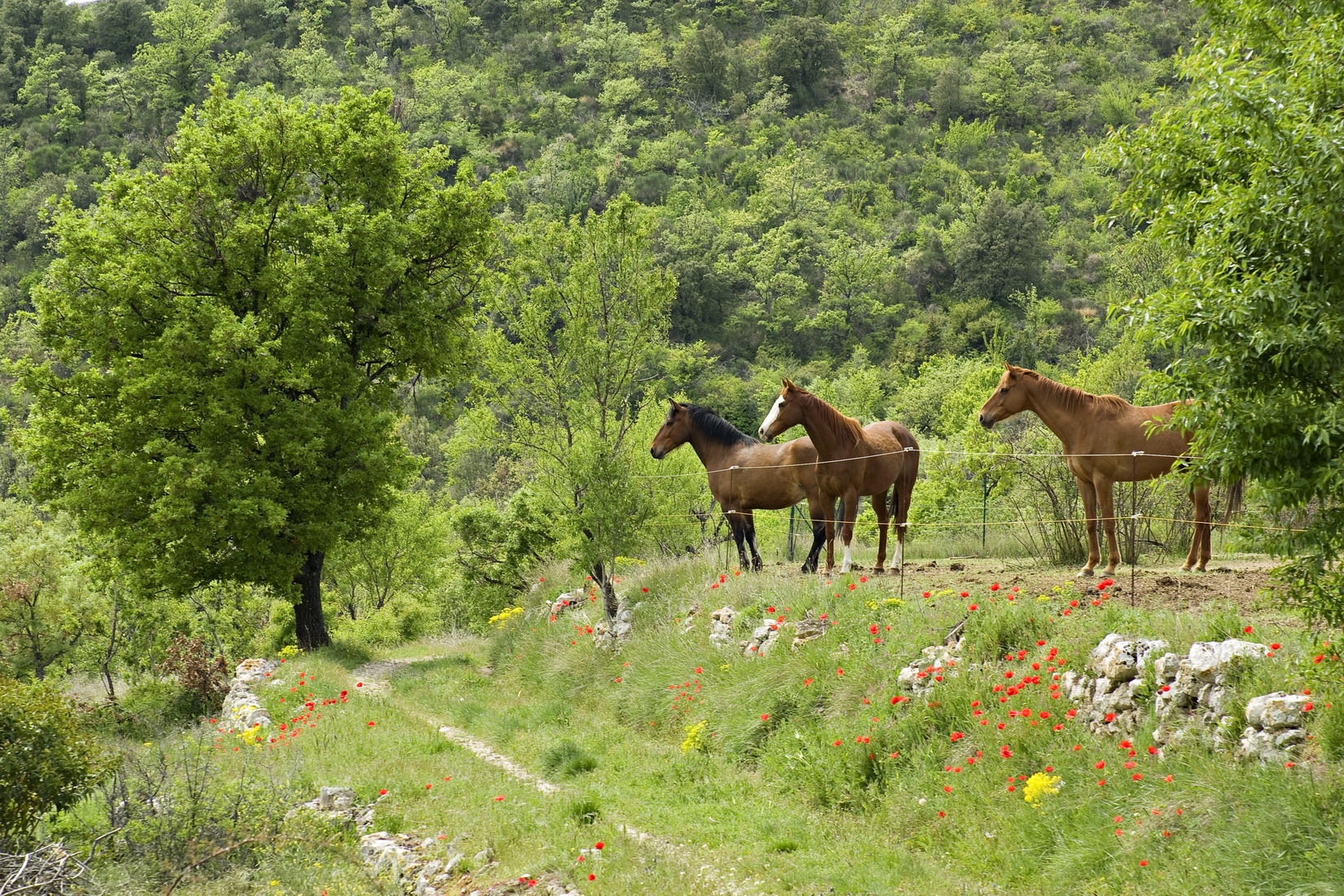
Numerous walking circuits are available around Reillanne, but the village itself offers a picturesque stroll through the world of old Provence. Allow a few hours to discover the village’s narrow streets and hidden passages. Nature lovers and those seeking peaceful walks will be delighted!

outdoor
activities
Cycling routes
Mountain biking
crafts
altitude
area
Accueil » Authentic Haute-Provence – Reillanne
our villages :
reillanne
Reillanne’s history reaches back to prehistoric times. Fossil footprints of Anchitherium, an ancient equine species from approximately 20 million years ago, have been discovered here, proof of animal life long before humans arrived. The Pas d’Ânes (“Donkey Steps”) district takes its name from this discovery.
The name Reillanne is thought to derive from the Provençal reiho (“plowshare”)—an agricultural tool that appears in Reillanne’s coat of arms today.
Reillanne is still dominated by one of the towers of the old castle, crowned with a bell tower added in 1889.
The ramparts, punctuated by gateways, stand as silent witnesses to the region’s medieval history. One such structure, the 13th-century Porte Saint-Pierre, is listed as a Historic Monument.
The 12th-century Porte des Forges adds its own historic character to the ramparts. Together, they offer a fascinating glimpse into medieval architecture. Walking through these gates is like stepping back in time.
what to see
The Monumental Fountain
Dominating Reillanne’s main square, the monumental fountain is more than just a work of art—it’s a tangible testament to the ideological struggles that shook France in the 1870s.
Built between 1874 and 1880 amid the transition to the Third Republic, this fountain is notable for its complete absence of republican symbols. Instead, an inscription above the inaugural text subtly alludes to divine action. On the fountain’s reverse, a Provençal saying captures attention: “Que voudra beure bouen, vengue a la boueno fouent” (“Let those who wish to drink well seek out the good source”).
Church of the Assumption
Built between 1100 and 1150, the Church of Notre-Dame-de-l’Assomption, also dedicated to Saint Peter, stands majestically at the heart of Reillanne in the Luberon.
This marvel of medieval architecture was rebuilt after 1558, when its nave—featuring three ribbed vaulted bays—was created. Its distinctive feature lies in its two side aisles, built in the 17th century—quite exceptional for the department.
The Chapels
In the picturesque charm of Reillanne, nestled in the heart of the Luberon, three ancient chapels stand out for their remarkable history and architecture.
The Chapel of Saint-Roch, housed in a former synagogue, features a staircase beautifully decorated with painted gypsum panels. Inside, visitors can admire a stunning Virgin and Child and a Good Shepherd, both dating from the 17th century.
Just steps away stands the Chapel of Saint-Denis des Pénitents Blancs, rebuilt in 1858 in thanksgiving to the Virgin who brought rain in answer to prayers. Its Romanesque bell tower dominates the skyline.
Finally, the Chapel of Notre-Dame-des-Prés, which once served an old monastery, displays a chevet partially dating from the 15th century.
Moulin Delestic
The Moulin Delestic in Reillanne stands as a remarkable testament to the Luberon’s industrial history. This outstanding heritage site, officially listed on May 28, 1993, comprises a complex of buildings, a water reservoir, and canal—all remnants of an old mill.
Rebuilt in 1859 on the ruins of the original mill, Moulin Delestic played an essential role in the local economy until 1955. Even today, it retains its original machinery, including a flint millstone, hoist, a vat for washing and wringing wheat, and the complete bolting system.
The presence of the wooden bucket wheel, despite technical renovations in 1920 and 1936, bears witness to the evolution of milling techniques since the mid-19th century.
Musée des Amis des Arts
Founded in 1972, Reillanne’s village museum, known as the Musée des Amis des Arts, grew from the passion and dedication of volunteers devoted to French history and local heritage.
Established in 1972 at the initiative of Émile and Henriette Lauga, a couple from Reillanne passionate about art and local history, the Amis des Arts association has worked for nearly 50 years to promote all forms of art in Reillanne and surrounding villages. The painter Serge Fiorio served as its first president, and Émile Lauga, followed by his wife Henriette after his death, brought passionate energy to the association. In their honor, the museum was dedicated to them in 2016.
A Stroll Through Reillanne
Numerous walking circuits are available around Reillanne, but the village itself offers a picturesque stroll through the world of old Provence. Allow a few hours to discover the village’s narrow streets and hidden passages. Nature lovers and those seeking peaceful walks will be delighted!
