



Accueil » Authentic Haute-Provence – Simiane-la-Rotonde
our villages :
sIMIANE-LA-ROTONDE

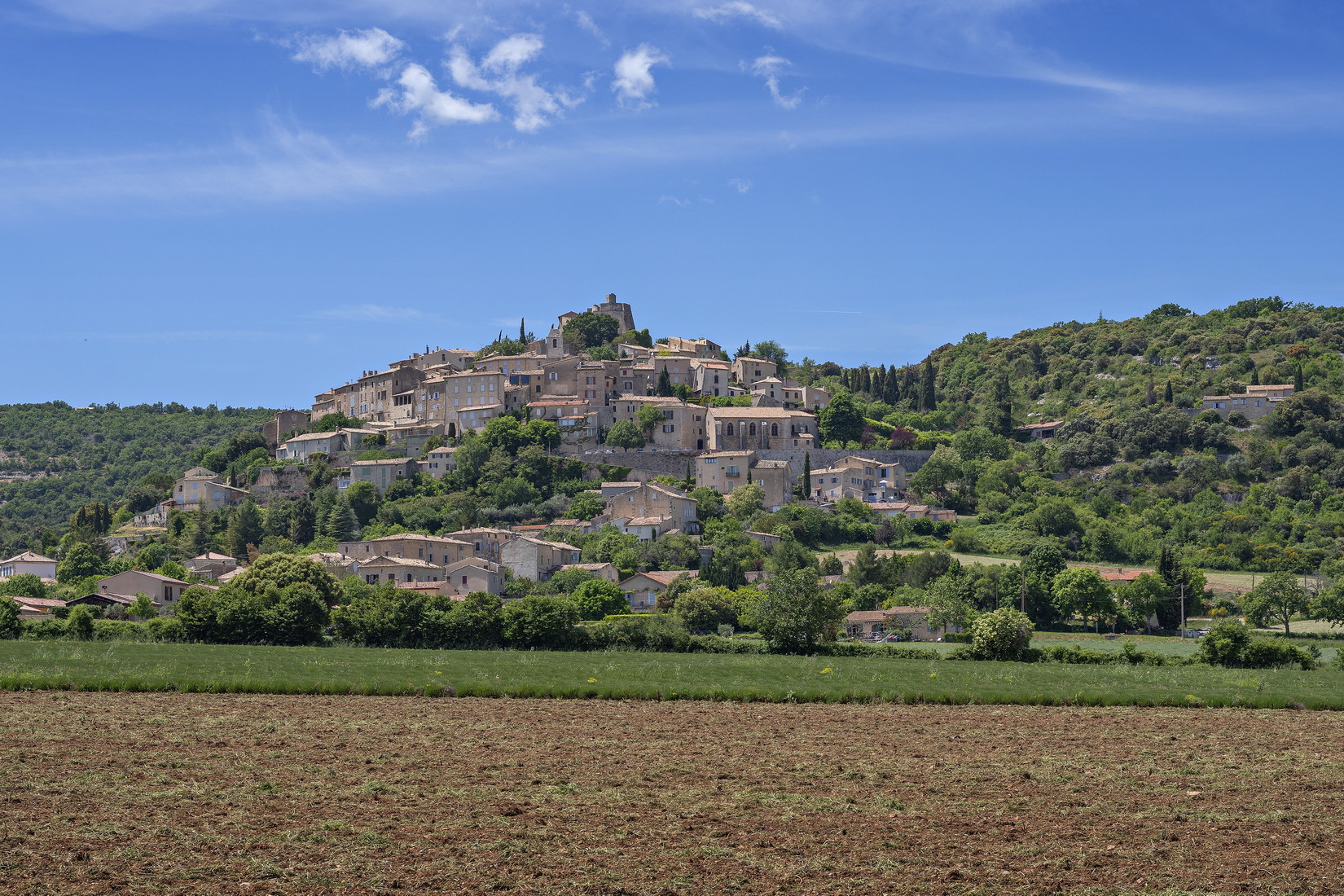
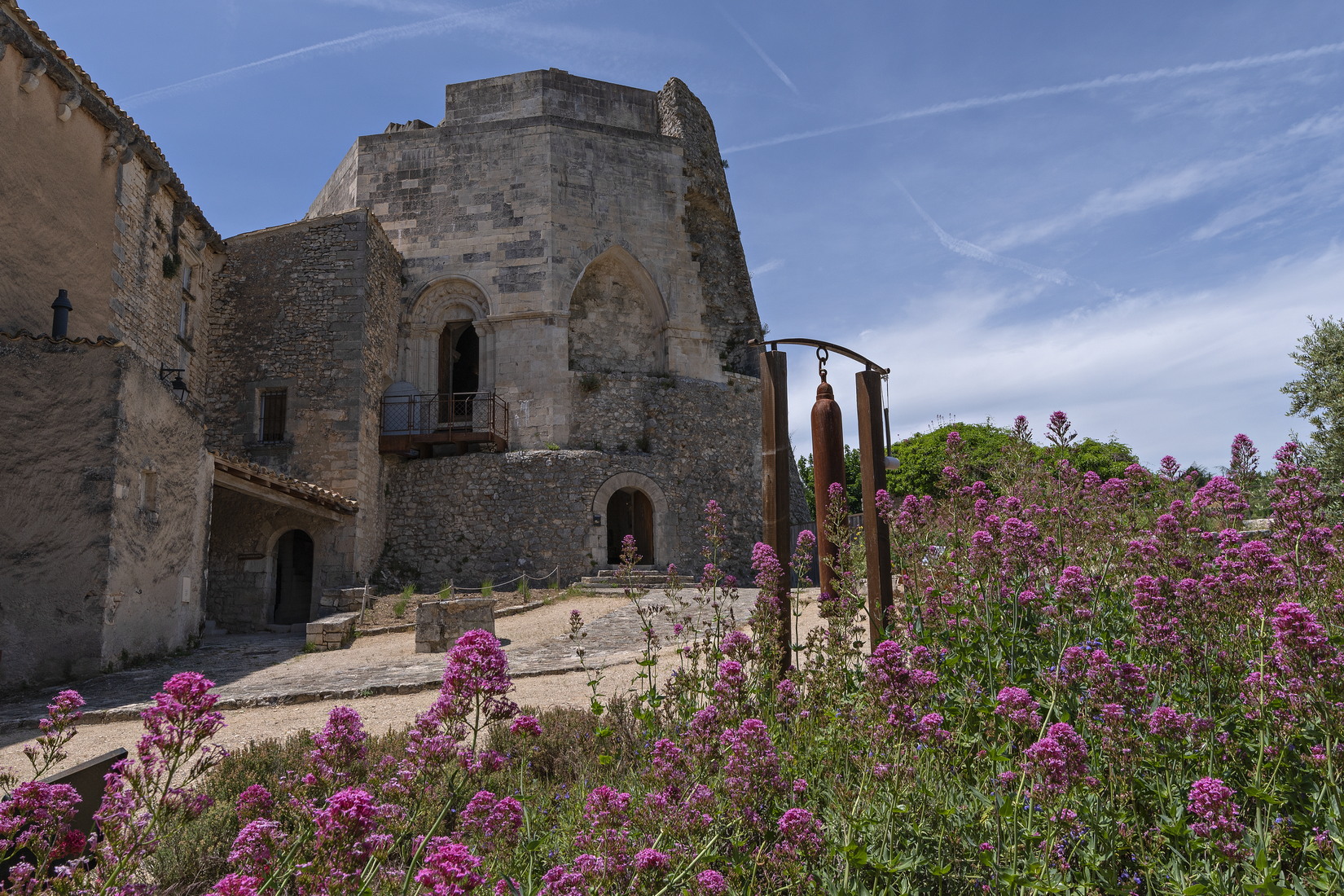
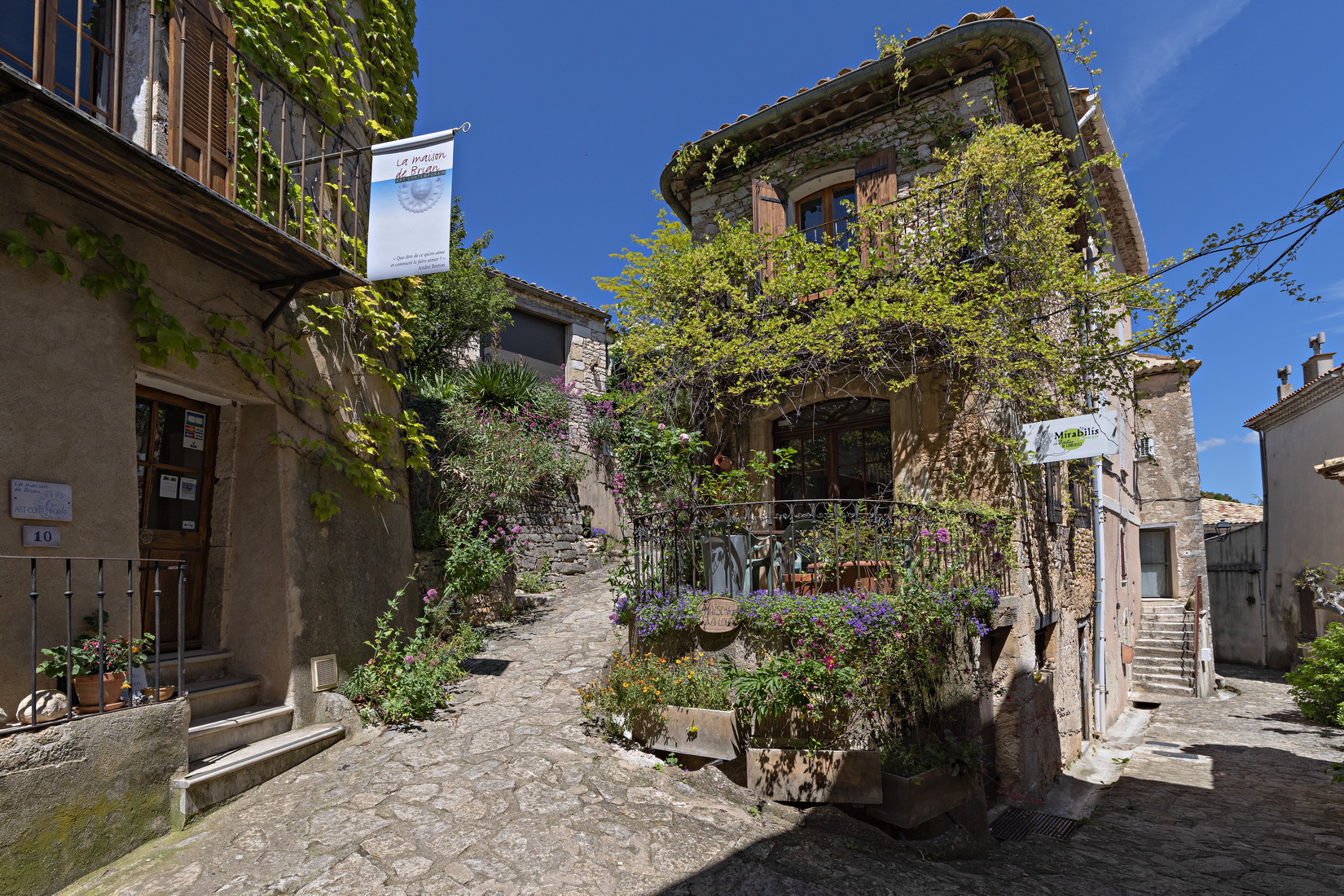
The village of Simiane-la-Rotonde, classified as a Village et Cité de Caractère, is particularly renowned for its medieval castle, the Château des Agoult, and its unique rotunda that gives the village its name.
The area is also celebrated for its lavender and clary sage fields that surround the village, enhancing the charm of this historic location.
The castle, dating from the 11th and 12th centuries, was the residence of the powerful Agoult-Simiane lords. The most remarkable feature of this castle is undoubtedly the rotunda. Built in the 12th century, it served as both a defensive stronghold and a ceremonial reception hall. This vast circular space with its distinctive dome is unique in the region. Depending on circumstances, it could host grand receptions or provide refuge during sieges.
Associated commune: the hamlet of Boulinette (Valsaintes Abbey).
Former associated communes: Carniol and Boulinette
In 2015, these associated communes were officially dissolved and merged with the commune of Simiane.


what to see
The medieval castle and its rotunda, listed as a Historic Monument since 1862, underwent an ambitious restoration program following its purchase by the municipality in 1999.
The castle is open to visitors for self-guided or guided tours.
The rotunda also hosts exhibitions and concerts, showcasing the medieval architecture and exceptional acoustics of this venue.
**Since 1982, an International Early Music Festival (the Riches Heures Musicales de la Rotonde) has been held here annually.
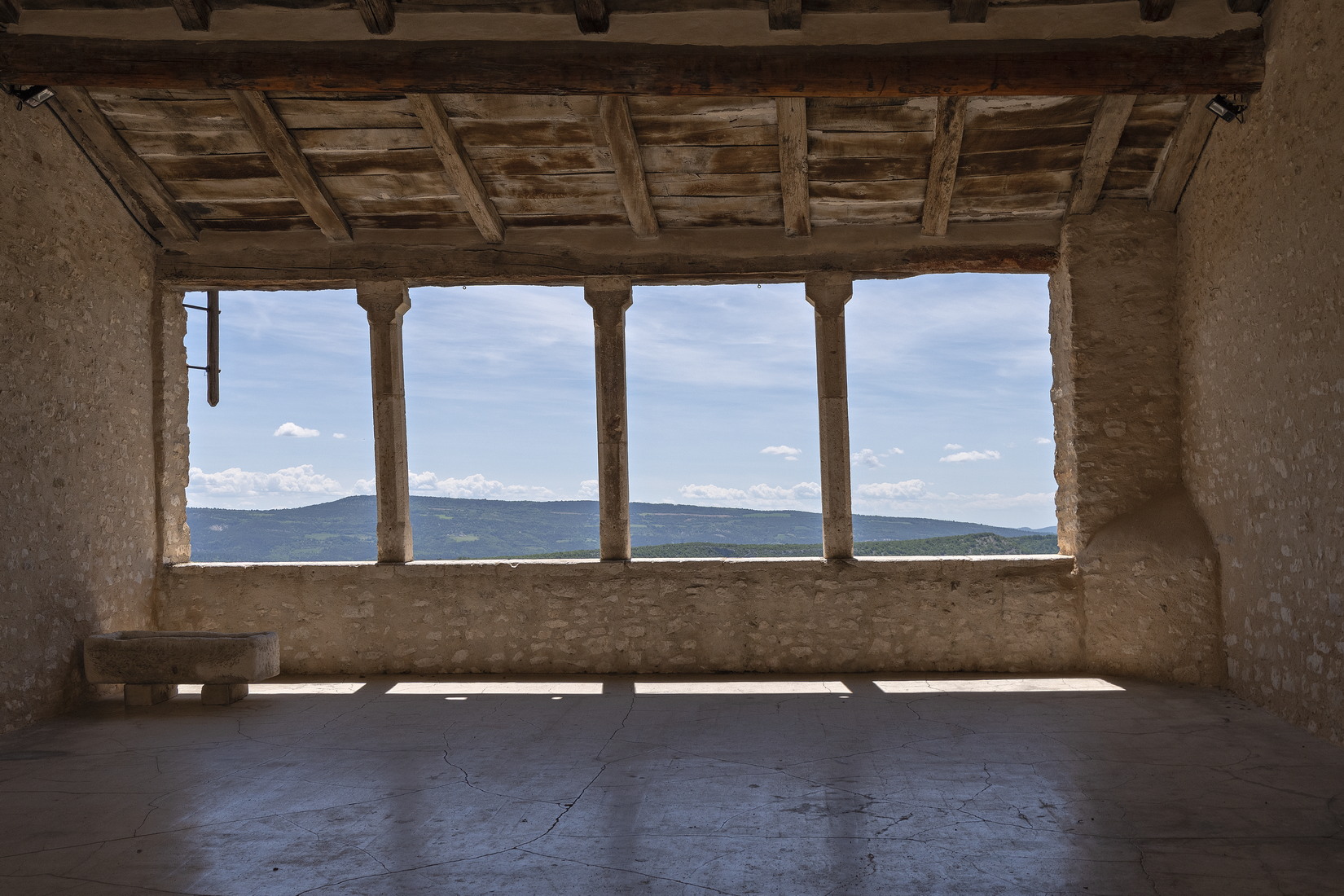
From the terrace on the East wing—a former 11th-century residence—you’ll admire breathtaking views over the rooftops below, the valley covered with lavandin fields (in season), and the wooded hills of white oaks. The restored Renaissance apartment, with its three connecting rooms, now hosts exhibitions and the Sainte Victoire aromatherapy laboratory (Young Living Group), which introduces visitors to the benefits of essential oils.
Church of Sainte-Victoire dating from the 16th century.
The 16th-century Covered Market Hall offers stunning views over the valley and lavender fields. Today it serves as restaurant terraces—an ideal spot for a relaxing break.
Designated a Jardin Remarquable (“Remarkable Garden”), the Gardens of Valsaintes Abbey are maintained using entirely natural methods including homeopathy, aromatherapy, energized water, organic mulching with local lavender straw, and beneficial garden insects.
The Rose Path (La Voie des Roses): A chronological journey through the history of the rose.
**Each year, the garden celebrates L’Abbaye en Roses (The Abbey in Roses) with over 550 rose varieties in bloom.
Numerous workshops are offered at the garden throughout the year.
The Dry Garden (le jardin sec) features 350 species and varieties of arid-terrain plants and a lavender collection.
The Agroecological Vegetable Garden
The Cistercian Church (16th century): A place steeped in history since prehistoric times. The church hosts numerous Gregorian chant workshops as well as solstice observations.
A visit to the gardens of Valsaintes Abbey is an invitation to wonder, leisurely strolling, relaxation, and serenity, combined with the pleasure of discovering an exceptional natural, historic, and spiritual space. An authentic and preserved site with rich and varied botanical heritage.
Hiking Trail: La Combe de l’Avion
During World War II, a Wellington bomber crashed at the hamlet of Chavon on May 10, 1944, at two in the morning. The aircraft was returning from a bombing mission over Valence (Drôme) after being severely hit by anti-aircraft fire.
In tribute to the five RAF airmen who perished in the flames, a memorial stone was erected and a sculpture created by Éric Deschamps using remains from the burned aircraft.
At this location, known as La Combe de l’Avion, you can read the names of the airmen who were buried that day, along with those of seven resistance fighters from the Simiane Landing and Parachute Section (SAP). These resistance members had been tasked that night with receiving a parachute drop, and their marker fires may have been confused by the crew with those of a landing field.
Hiking Trail: Le Saut du Moine
A beautiful hiking trail located between Carniol and Oppedette. Available on Visio Rando and also on the Simiane-la-Rotonde town hall website.
Notable Figures
The Simiane family – an important family of Provençal nobility.
Jean Pélissier (1607-1628) – born in Simiane, prior in Simiane, bishop of Apt.
Jean François Palhier de Sylvabelle (1748-1822) – mayor of Simiane and deputy to the Council of Five Hundred (French Revolutionary government).
Pierre Alexis de Ponson du Terrail (1829-1871) – serial novelist whose family originated from Simiane-la-Rotonde.
Henri Laugier (1888-1973) – physiologist.
Jacqueline Lamba (1910-1993) – painter.
Pierre Martel (1923-2001) – founder of Alpes de Lumière, parish priest from 1947 to 1955.
Othon Coubine (1883-1969) – painter of Czech origin who lived in Simiane from the 1920s onward.

outdoor
activities
Cycling routes
Mountain biking
crafts
altitude
area
Accueil » Authentic Haute-Provence – Simiane-la-Rotonde
our villages :
sIMIANE LA ROTONDE
The village of Simiane-la-Rotonde, classified as a Village et Cité de Caractère, is particularly renowned for its medieval castle, the Château des Agoult, and its unique rotunda that gives the village its name.
The area is also celebrated for its lavender and clary sage fields that surround the village, enhancing the charm of this historic location.
The castle, dating from the 11th and 12th centuries, was the residence of the powerful Agoult-Simiane lords. The most remarkable feature of this castle is undoubtedly the rotunda. Built in the 12th century, it served as both a defensive stronghold and a ceremonial reception hall. This vast circular space with its distinctive dome is unique in the region. Depending on circumstances, it could host grand receptions or provide refuge during sieges.
Associated commune: the hamlet of Boulinette (Valsaintes Abbey).
Former associated communes: Carniol and Boulinette
In 2015, these associated communes were officially dissolved and merged with the commune of Simiane.
what to see
The medieval castle and its rotunda, listed as a Historic Monument since 1862, underwent an ambitious restoration program following its purchase by the municipality in 1999.
The castle is open to visitors for self-guided or guided tours.
The rotunda also hosts exhibitions and concerts, showcasing the medieval architecture and exceptional acoustics of this venue.
**Since 1982, an International Early Music Festival (the Riches Heures Musicales de la Rotonde) has been held here annually.
From the terrace on the East wing—a former 11th-century residence—you’ll admire breathtaking views over the rooftops below, the valley covered with lavandin fields (in season), and the wooded hills of white oaks. The restored Renaissance apartment, with its three connecting rooms, now hosts exhibitions and the Sainte Victoire aromatherapy laboratory (Young Living Group), which introduces visitors to the benefits of essential oils.
Church of Sainte-Victoire dating from the 16th century.
The 16th-century Covered Market Hall offers stunning views over the valley and lavender fields. Today it serves as restaurant terraces—an ideal spot for a relaxing break.
Designated a Jardin Remarquable (“Remarkable Garden”), the Gardens of Valsaintes Abbey are maintained using entirely natural methods including homeopathy, aromatherapy, energized water, organic mulching with local lavender straw, and beneficial garden insects.
The Rose Path (La Voie des Roses): A chronological journey through the history of the rose.
**Each year, the garden celebrates L’Abbaye en Roses (The Abbey in Roses) with over 550 rose varieties in bloom.
Numerous workshops are offered at the garden throughout the year.
The Dry Garden (le jardin sec) features 350 species and varieties of arid-terrain plants and a lavender collection.
The Agroecological Vegetable Garden
The Cistercian Church (16th century): A place steeped in history since prehistoric times. The church hosts numerous Gregorian chant workshops as well as solstice observations.
A visit to the gardens of Valsaintes Abbey is an invitation to wonder, leisurely strolling, relaxation, and serenity, combined with the pleasure of discovering an exceptional natural, historic, and spiritual space. An authentic and preserved site with rich and varied botanical heritage.
Hiking Trail: La Combe de l’Avion
During World War II, a Wellington bomber crashed at the hamlet of Chavon on May 10, 1944, at two in the morning. The aircraft was returning from a bombing mission over Valence (Drôme) after being severely hit by anti-aircraft fire.
In tribute to the five RAF airmen who perished in the flames, a memorial stone was erected and a sculpture created by Éric Deschamps using remains from the burned aircraft.
At this location, known as La Combe de l’Avion, you can read the names of the airmen who were buried that day, along with those of seven resistance fighters from the Simiane Landing and Parachute Section (SAP). These resistance members had been tasked that night with receiving a parachute drop, and their marker fires may have been confused by the crew with those of a landing field.
Hiking Trail: Le Saut du Moine
A beautiful hiking trail located between Carniol and Oppedette. Available on Visio Rando and also on the Simiane-la-Rotonde town hall website.
Notable Figures
The Simiane family – an important family of Provençal nobility.
Jean Pélissier (1607-1628) – born in Simiane, prior in Simiane, bishop of Apt.
Jean François Palhier de Sylvabelle (1748-1822) – mayor of Simiane and deputy to the Council of Five Hundred (French Revolutionary government).
Pierre Alexis de Ponson du Terrail (1829-1871) – serial novelist whose family originated from Simiane-la-Rotonde.
Henri Laugier (1888-1973) – physiologist.
Jacqueline Lamba (1910-1993) – painter.
Pierre Martel (1923-2001) – founder of Alpes de Lumière, parish priest from 1947 to 1955.
Othon Coubine (1883-1969) – painter of Czech origin who lived in Simiane from the 1920s onward.
