Bienvenue en Haute-Provence authentique

Welcome in authentic Haute-Provence

our villages :
VACHERES

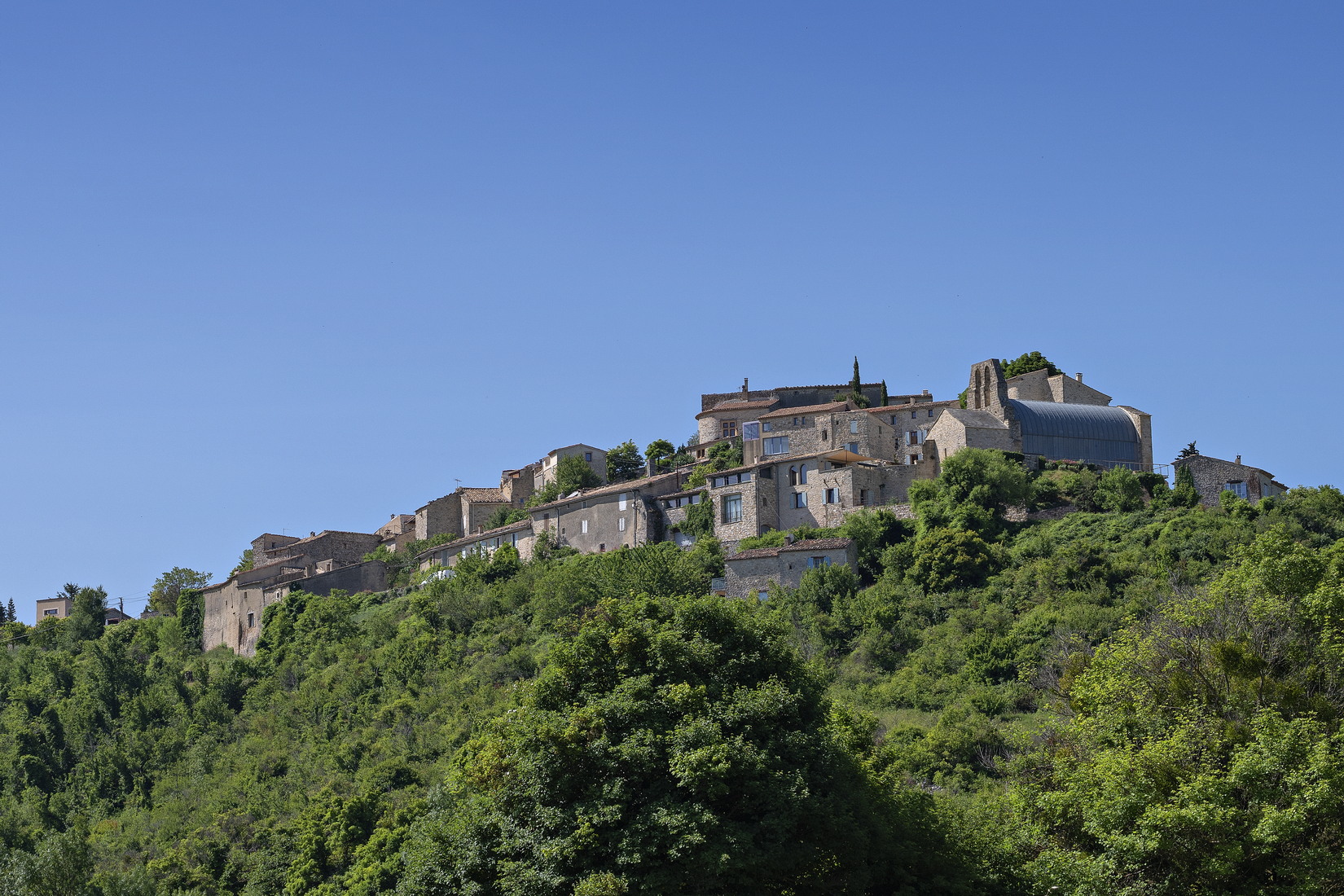
Vachères has gone by many names over the centuries—Vaquieras in the early Middle Ages, Vacheriae by the early 13th century. This village owes its remarkably long history to its protected location, perched high above the valleys. Human settlement here dates back to the Neolithic and Chalcolithic periods. Archaeological discoveries in the late 19th and early 20th centuries revealed Celto-Ligurian oppida and a Gallo-Roman burial site filled with artifacts—jars, amphorae, funerary urns, and more.

Vachères was one of six important villages represented in the States of Provence (the regional assembly) in the late 14th century. Unfortunately, the village experienced significant demographic decline in the late 19th and early 20th centuries due to its remoteness and lack of amenities.

The village found new life through the development of vacation homes and was even renamed Vachères-en-Luberon.

what to see

Vachères sits on a plateau overlooking much of the Haute-Provence region. You don’t come to Vachères by chance—this village perches high above the world, remote and almost invisible from below, like a hidden paradise.

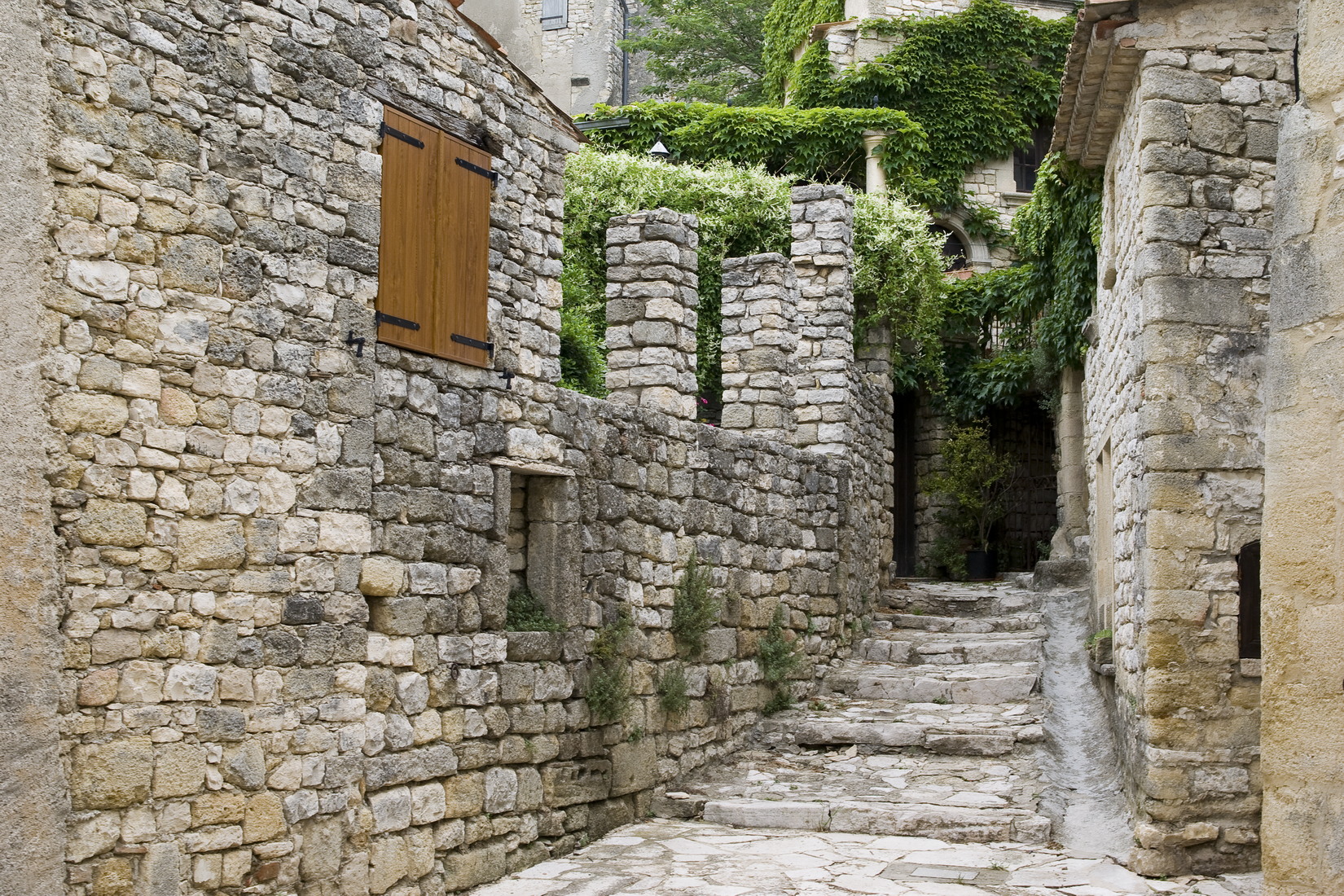
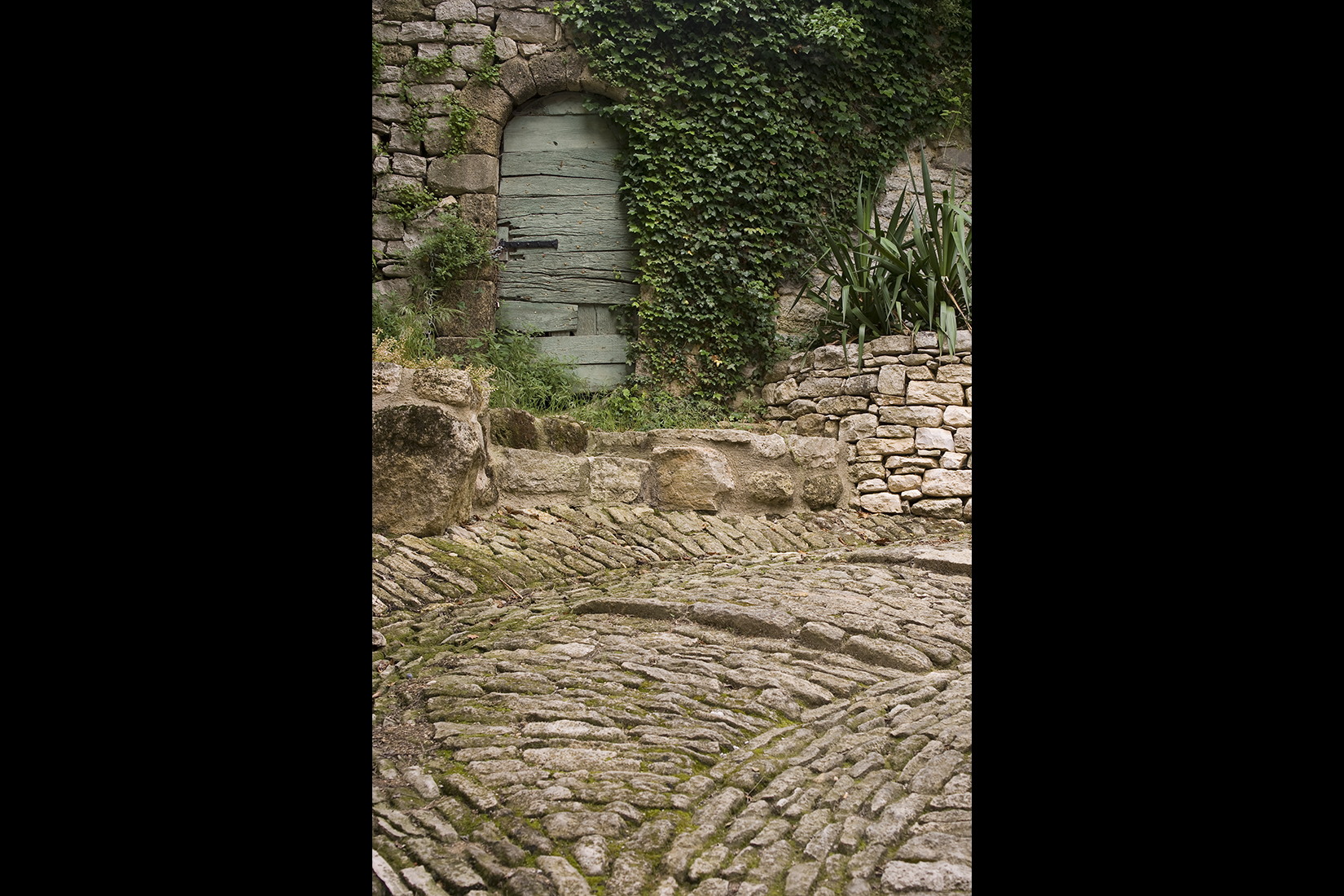
The best times to discover Vachères are spring (when the almond trees are in bloom) and early summer (when the lavandin fields begin to turn blue). It’s also a haven for lovers of stone, with its dry-stone walls and traditional cobblestone streets (calades).

Church of Saint-Christophe

Built in the 13th century, it was abandoned around 1865 in favor of the new Church of Saint-Sébastien. It was sold in 1909, converted into a barn, and its vault collapsed in 1960. Today, the nave has all but disappeared, though part of the bell tower and wall still stand. It now serves as a venue for exhibitions and concerts.

The Priory

Built adjoining the Church of Saint-Christophe, the Priory has undergone successive modifications since the 15th century, blending Romanesque and Gothic architectural styles.

Church of Saint-Sébastien

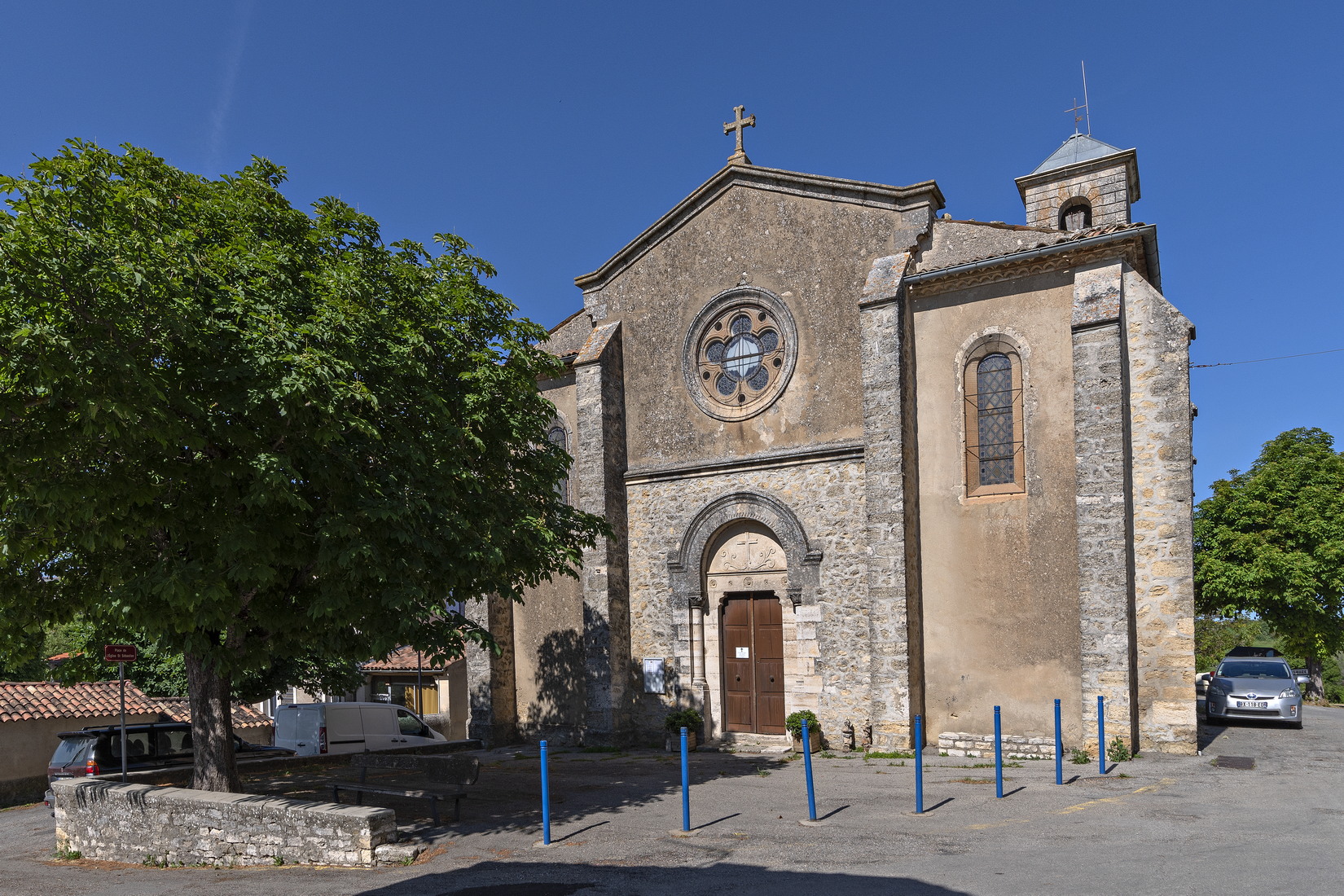
Built around 1860-65 in neo-Romanesque style, it features beautiful stained glass windows of Saint Sebastian and Saint Peter.

Pierre Martel Museum

“Memories of Stones – Memories of Men.” This municipal museum houses a rich collection of fossils, prehistoric tools, and ancient objects.

The museum’s highlights include:

The Bachitherium: An almost complete fossil of a herbivore dating back 30 million years.

The Warrior of Vachères: A statue of a Gallo-Roman soldier from the reign of Augustus.

The Covered Passage

Dating from approximately the 16th century. Once lit by two mullioned windows, one is now blocked while the other remains intact—its mullions retain their original decorative moldings.

Clock Tower

This 16th-century tower features a clock with only one hand—a common practice at the time of its construction.

Windmill

Dating from 1683, this windmill is located on a plateau at 870 meters altitude overlooking the town of Vachères. It offers exceptional views toward the southern foothills of the Montagne de Lure and the villages of Simiane-la-Rotonde and Revest-des-Brousses. The windmill is currently undergoing restoration.

The Castle

Dating from the 17th-18th centuries, located at the bottom of the village, with three round towers topped with pointed roofs (including a dovecote).

Notre-Dame de Bellevue

A Romanesque chapel erected in the 12th century, now a private residence and not open to visitors. However, during a 17th-century restoration, a box sealed in a pillar was discovered containing relics. This discovery gave the chapel its miraculous reputation and led to its name “Bellevue” (Beautiful View).

Chapel of Saint-Ambroise

Likely dating from the 11th century, it was converted into a sheepfold and is now abandoned.

Notable Figures

Pierre Martel (1923-2001) – writer, clergyman, researcher, and founder of the Alpes de Lumière association in 1953. The village museum bears his name.


outdoor
activities

Hiking trails
Cycling routes

crafts

Jewelry maker

altitude

499 – 865 m

area

23,42 km2

our villages :
VACHERES

Vachères has gone by many names over the centuries—Vaquieras in the early Middle Ages, Vacheriae by the early 13th century. This village owes its remarkably long history to its protected location, perched high above the valleys. Human settlement here dates back to the Neolithic and Chalcolithic periods. Archaeological discoveries in the late 19th and early 20th centuries revealed Celto-Ligurian oppida and a Gallo-Roman burial site filled with artifacts—jars, amphorae, funerary urns, and more.

Vachères was one of six important villages represented in the States of Provence (the regional assembly) in the late 14th century. Unfortunately, the village experienced significant demographic decline in the late 19th and early 20th centuries due to its remoteness and lack of amenities.

The village found new life through the development of vacation homes and was even renamed Vachères-en-Luberon.

what to see

Vachères sits on a plateau overlooking much of the Haute-Provence region. You don’t come to Vachères by chance—this village perches high above the world, remote and almost invisible from below, like a hidden paradise.

The best times to discover Vachères are spring (when the almond trees are in bloom) and early summer (when the lavandin fields begin to turn blue). It’s also a haven for lovers of stone, with its dry-stone walls and traditional cobblestone streets (calades).

Church of Saint-Christophe

Built in the 13th century, it was abandoned around 1865 in favor of the new Church of Saint-Sébastien. It was sold in 1909, converted into a barn, and its vault collapsed in 1960. Today, the nave has all but disappeared, though part of the bell tower and wall still stand. It now serves as a venue for exhibitions and concerts.

The Priory

Built adjoining the Church of Saint-Christophe, the Priory has undergone successive modifications since the 15th century, blending Romanesque and Gothic architectural styles.

Church of Saint-Sébastien

Built around 1860-65 in neo-Romanesque style, it features beautiful stained glass windows of Saint Sebastian and Saint Peter.

Pierre Martel Museum

“Memories of Stones – Memories of Men.” This municipal museum houses a rich collection of fossils, prehistoric tools, and ancient objects.

The museum’s highlights include:

The Bachitherium: An almost complete fossil of a herbivore dating back 30 million years.

The Warrior of Vachères: A statue of a Gallo-Roman soldier from the reign of Augustus.

The Covered Passage

Dating from approximately the 16th century. Once lit by two mullioned windows, one is now blocked while the other remains intact—its mullions retain their original decorative moldings.

Clock Tower

This 16th-century tower features a clock with only one hand—a common practice at the time of its construction.

Windmill

Dating from 1683, this windmill is located on a plateau at 870 meters altitude overlooking the town of Vachères. It offers exceptional views toward the southern foothills of the Montagne de Lure and the villages of Simiane-la-Rotonde and Revest-des-Brousses. The windmill is currently undergoing restoration.

The Castle

Dating from the 17th-18th centuries, located at the bottom of the village, with three round towers topped with pointed roofs (including a dovecote).

Notre-Dame de Bellevue

A Romanesque chapel erected in the 12th century, now a private residence and not open to visitors. However, during a 17th-century restoration, a box sealed in a pillar was discovered containing relics. This discovery gave the chapel its miraculous reputation and led to its name “Bellevue” (Beautiful View).

Chapel of Saint-Ambroise

Likely dating from the 11th century, it was converted into a sheepfold and is now abandoned.

Notable Figures

Pierre Martel (1923-2001) – writer, clergyman, researcher, and founder of the Alpes de Lumière association in 1953. The village museum bears his name.

our treasures